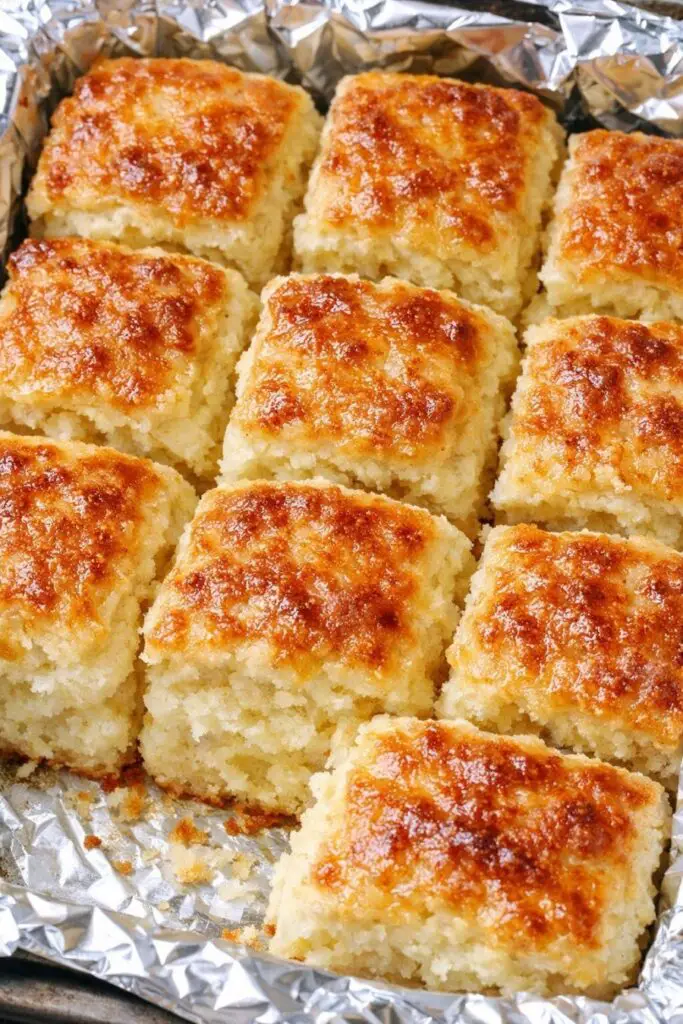
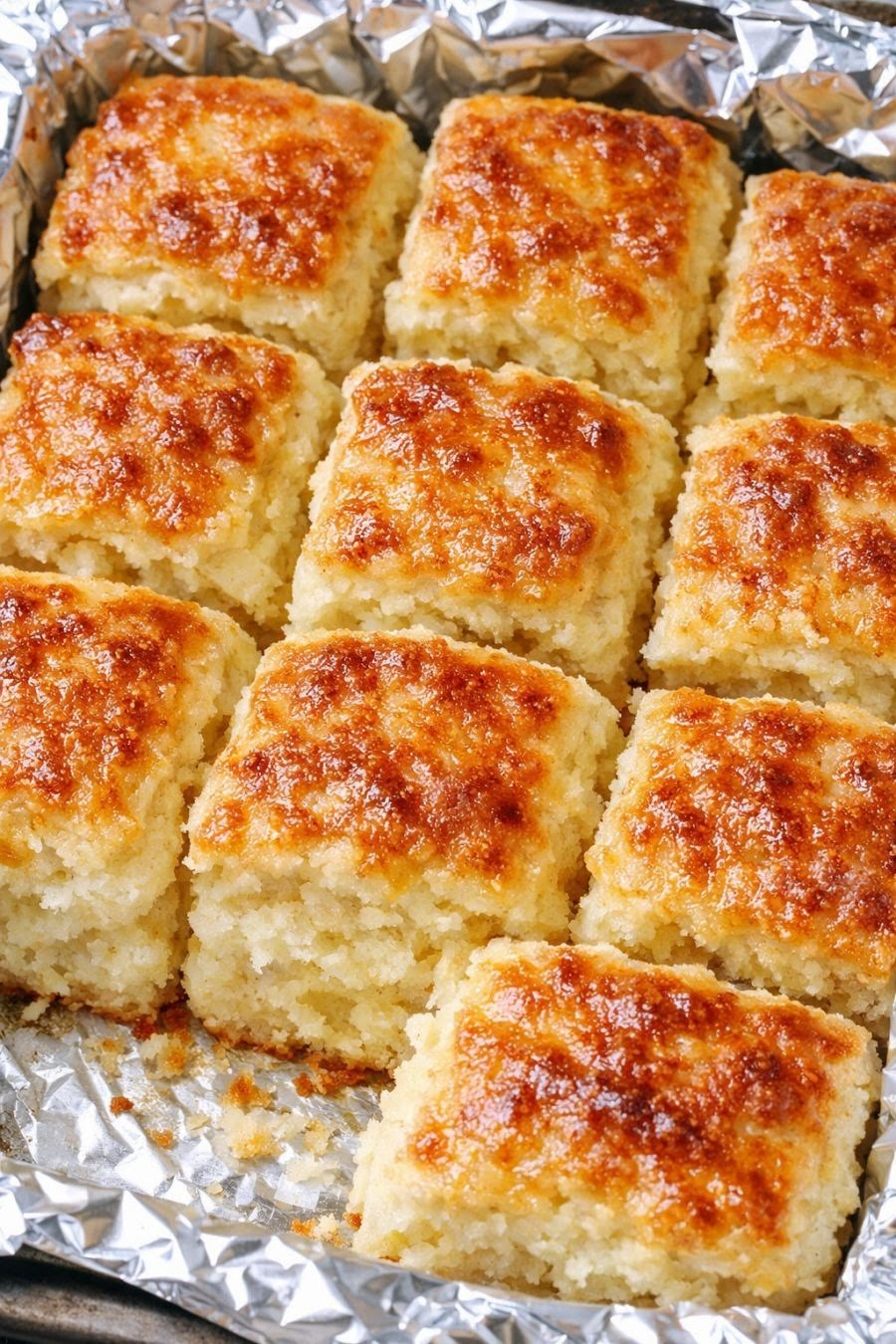
There’s something truly comforting about a homemade Middle Eastern Basbousa recipe. This classic dessert combines a golden, slightly crisp top with a soft, tender interior soaked in sweet syrup. Although it uses simple pantry ingredients, it delivers rich flavor and a beautifully balanced texture. Whether you serve it with tea, coffee, or as a dessert after dinner, this treat always feels special and satisfying.
Basbousa stands out because of its unique texture and flavor combination. It blends semolina, coconut, and buttery richness, creating a moist yet slightly crumbly cake that melts in your mouth. Even better, it’s easy to prepare, making it perfect for beginners and experienced bakers alike.
I first made this dessert on a quiet weekend afternoon when I wanted something simple yet comforting. The smell of butter and sugar baking filled the kitchen, instantly creating a cozy atmosphere. When I poured the syrup over the warm cake, it absorbed beautifully, turning each piece into a soft, sweet bite. Since then, it has become a go-to recipe whenever I need something reliable and delicious.
Ingredients
Equipment
Method
- Preheat oven to 350°F (175°C) and grease a baking dish.
- Mix flour, sugar, coconut, baking powder, and salt in a bowl.
- Add milk, eggs, butter, and vanilla. Stir until smooth.
- Pour batter into dish and spread evenly.
- Bake for 30–35 minutes until golden brown.
- Prepare syrup by boiling sugar and water, then adding lemon juice.
- Pour warm syrup over hot cake and let it soak.
Notes
Understanding Basbousa and Its Unique Texture
What Makes Basbousa Different from Regular Cake
Unlike traditional cakes that rely heavily on flour, this Middle Eastern Basbousa recipe uses semolina as its base. Because of this, the texture becomes slightly grainy yet soft, which gives it a signature bite.
Additionally, the syrup poured over the baked cake sets it apart. While most cakes use frosting, basbousa absorbs a sugar syrup that enhances both moisture and sweetness. As a result, every bite feels rich without being overwhelming.
Moreover, coconut adds a subtle flavor and extra texture. Although optional, it greatly enhances the overall taste. Therefore, including it often creates a more authentic and enjoyable result.
Why This Recipe Works So Well
This recipe works because it balances moisture, sweetness, and structure perfectly. The butter adds richness, while the eggs provide stability. Meanwhile, the milk softens the mixture, ensuring a tender crumb.
At the same time, baking powder helps the cake rise slightly, preventing it from becoming dense. Because of this, the final texture feels light yet satisfying.
Most importantly, the syrup transforms the entire dish. Once poured over the warm cake, it seeps into every layer, making each piece irresistibly moist and flavorful.
Ingredients and Their Role in the Recipe
Core Ingredients You’ll Need
To prepare this Middle Eastern Basbousa recipe, gather the following ingredients:
- 2 cups all-purpose flour
- 1 cup sugar
- 1 cup shredded coconut
- 1 tablespoon baking powder
- ½ teaspoon salt
- 1 cup milk
- 2 large eggs
- ½ cup melted butter
- 1 teaspoon vanilla extract
Additionally, for the syrup, you will need:
- 1 cup sugar
- 1 cup water
- 1 teaspoon lemon juice
Each ingredient plays a specific role. For instance, flour provides structure, while coconut adds texture. Meanwhile, butter enhances richness, and vanilla adds depth of flavor.
Optional Additions for Extra Flavor
Although the basic recipe tastes wonderful, you can easily customize it. For example, you can add a handful of chopped nuts on top before baking. Almonds work especially well and add a slight crunch.
You can also include a touch of rose water or orange blossom water in the syrup. These additions create a more traditional Middle Eastern flavor.
If you prefer a less sweet version, you can slightly reduce the syrup. However, keep in mind that the syrup contributes significantly to the dessert’s signature texture.
Step-by-Step Cooking Instructions
Preparing the Batter
Start by preheating your oven to 350°F (175°C). Then, grease a baking dish to prevent sticking.
In a large bowl, combine the flour, sugar, shredded coconut, baking powder, and salt. Mix well to ensure even distribution. After that, add the milk, eggs, melted butter, and vanilla extract.
Stir everything together until you form a smooth batter. Avoid overmixing, as this can affect the texture. Once combined, pour the mixture into your prepared baking dish.
Spread the batter evenly using a spatula. If you like, you can score the top lightly into squares before baking. This step makes it easier to cut later.
Baking and Adding the Syrup
Place the dish in the oven and bake for 30–35 minutes. The top should turn golden brown and slightly crisp.
While the cake bakes, prepare the syrup. Combine sugar and water in a saucepan and bring it to a boil. Then, add lemon juice and let it simmer for about 10 minutes. Remove from heat and allow it to cool slightly.
Once the cake finishes baking, take it out of the oven. Immediately pour the syrup evenly over the hot cake. Because the cake is warm, it will absorb the syrup quickly.
Let it rest for at least 30 minutes before serving. This step allows the syrup to fully soak in, creating the perfect texture.
Tips for Perfect Results Every Time
Common Mistakes to Avoid
One common mistake is overbaking the cake. If you leave it in the oven too long, it can become dry. Therefore, keep a close eye on the color and remove it once it turns golden.
Another mistake involves pouring cold syrup onto a cold cake. For best results, always pour warm syrup over a hot cake. This contrast helps the cake absorb the liquid properly.
Additionally, avoid skipping the resting time. Although it may seem tempting to cut into the cake immediately, waiting ensures better flavor and texture.
Simple Ways to Enhance the Recipe
You can easily elevate this Middle Eastern Basbousa recipe with small adjustments. For example, brushing the top with extra melted butter before baking creates a richer crust.
You might also sprinkle coconut or sugar on top for a slightly crisp finish. Furthermore, adding a pinch of cinnamon or cardamom introduces a subtle warmth.
Serving the cake with tea or coffee enhances the experience even more. Because of its sweetness, it pairs beautifully with slightly bitter drinks.
Serving Suggestions and Storage Tips
How to Serve Basbousa
Serve basbousa at room temperature for the best flavor. You can cut it into squares or diamond shapes for a traditional presentation.
For a more indulgent touch, pair it with whipped cream or a scoop of vanilla ice cream. The contrast between warm cake and cold cream creates a delightful experience.
Additionally, you can garnish with nuts or a drizzle of syrup for extra visual appeal.
Storing and Reheating
Store leftovers in an airtight container at room temperature for up to two days. If you need to keep it longer, refrigerate it for up to five days.
When reheating, use a microwave for a few seconds or warm it in the oven. However, avoid overheating, as this can dry out the cake.
If the cake feels slightly dry after storage, you can drizzle a small amount of syrup over it before serving.
Frequently Asked Questions
1. Can I use semolina instead of flour?
Yes, traditional basbousa uses semolina. You can replace flour with semolina for a more authentic texture.
2. Is coconut necessary for this recipe?
No, but it adds flavor and texture. You can omit it if you prefer a simpler version.
3. Can I make this recipe dairy-free?
Yes, substitute milk with plant-based milk and use dairy-free butter alternatives.
4. Why is my basbousa dry?
Overbaking or not using enough syrup can cause dryness. Make sure to follow the baking time and syrup step carefully.
5. Can I freeze basbousa?
Yes, you can freeze it for up to two months. Wrap it tightly and thaw before serving.
Conclusion
This Middle Eastern Basbousa recipe offers a perfect balance of simplicity and indulgence. With its golden crust, soft interior, and sweet syrup, it delivers a comforting dessert that works for any occasion. Because it uses basic ingredients and straightforward steps, anyone can make it successfully at home.
Whether you enjoy it with family, serve it to guests, or simply treat yourself, this recipe never disappoints. Once you try it, it will likely become a regular part of your baking routine.