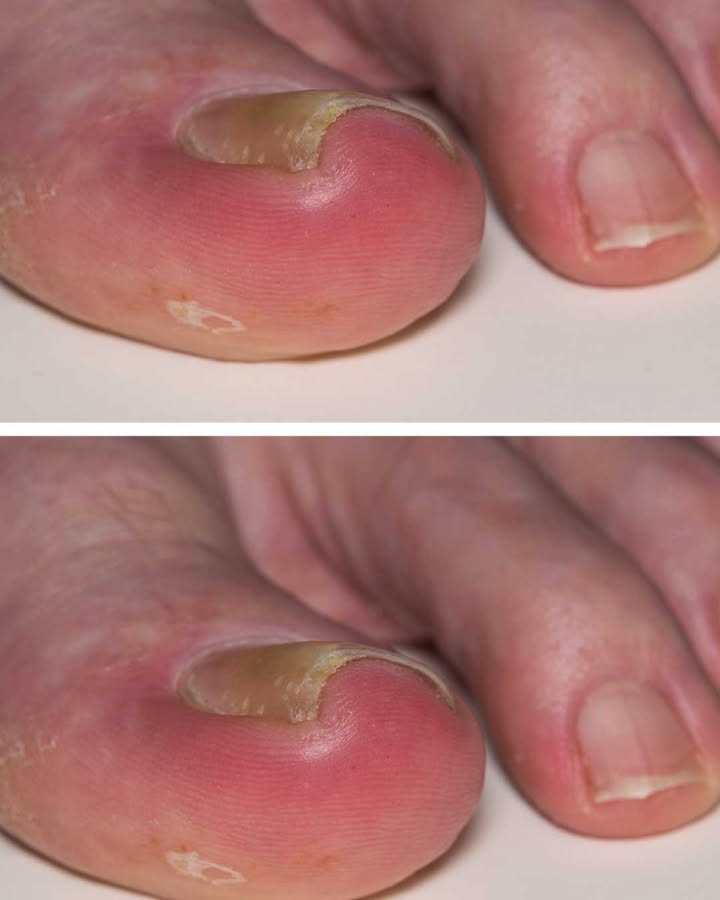
Ingrown toenails can be painful, unsightly, and sometimes lead to infection if left untreated. This common condition occurs when the edge of a toenail grows into the surrounding skin, causing redness, swelling, and discomfort. While medical care is recommended, there are safe and effective strategies you can use at home to reduce pain and prevent complications until you can see a doctor.
Understanding Ingrown Toenails
What Causes Ingrown Toenails?
Several factors can contribute to the development of ingrown toenails:
- Improper nail trimming: Cutting nails too short or rounding the edges encourages them to grow into the skin.
- Tight or poorly fitting shoes: Shoes that compress the toes can push the nail into surrounding tissue.
- Genetics: Some people naturally have curved or thick nails that are prone to ingrowth.
- Injury: Trauma to the toenail, such as stubbing your toe, can trigger ingrowth.
- Health conditions: Diabetes, obesity, and circulation problems can increase the risk.
Common Symptoms
- Pain or tenderness along the edges of the toenail
- Redness and swelling around the nail
- Pus or drainage in more severe cases
- Hard or overgrown skin surrounding the nail
Early recognition of these signs allows for prompt home care and helps prevent worsening infection.
Immediate Home Remedies for Ingrown Toenails
While awaiting professional care, certain home remedies can provide relief and help prevent infection.
Warm Water and Epsom Salt Soak
- Soak your foot in warm water for 15–20 minutes, 2–3 times daily.
- Add Epsom salt to the water to reduce swelling and soften the nail and surrounding skin.
- Gently pat your foot dry afterward with a clean towel.
Gentle Lifting of the Nail
- After soaking, you may carefully lift the nail edge using a clean cotton ball or dental floss.
- Place the cotton gently under the nail to help it grow above the skin.
- Replace the cotton daily to maintain hygiene and reduce irritation.
Antiseptic Application
- Apply an over-the-counter antiseptic cream or ointment to prevent infection.
- Keep the nail covered with a clean bandage if necessary, especially if you notice pus or drainage.
Proper Foot Hygiene Practices
Preventing further irritation is key while managing ingrown nails:
- Wash daily: Clean your feet with mild soap and warm water.
- Dry thoroughly: Moisture can encourage bacterial growth.
- Nail trimming: Keep nails straight across and avoid cutting too short.
- Footwear: Wear shoes that provide ample space for your toes.
- Socks: Choose clean, breathable socks to reduce pressure and friction.
Over-the-Counter Treatments and Pain Relief
You can manage pain and inflammation with common OTC options:
- Pain relievers: Acetaminophen or ibuprofen can reduce discomfort.
- Topical softeners: Products designed to soften the nail and skin can ease lifting and trimming.
- Antiseptics: Prevent bacterial growth and infection.
Natural and Alternative Remedies
Some natural solutions can complement conventional home care:
- Tea tree oil: Known for its antiseptic properties; apply sparingly to affected area.
- Apple cider vinegar soak: May help reduce inflammation and prevent infection.
⚠️ Caution: Use natural remedies carefully; they should not replace medical treatment if symptoms worsen.
Common Mistakes to Avoid
Avoiding harmful practices is just as important as home care:
- Do not dig into the nail or remove it yourself: This can worsen the problem or cause infection.
- Avoid tight shoes and socks: Compression can exacerbate the ingrowth.
- Do not ignore symptoms: Increasing redness, pus, or severe pain requires prompt medical attention.
When to Seek Medical Attention
While home remedies can manage mild ingrown toenails, professional care is necessary if:
- Pain becomes severe
- There is visible pus or drainage
- The area becomes increasingly red, swollen, or warm
- You have diabetes, circulation issues, or a weakened immune system
Doctors may perform treatments such as nail lifting, partial removal, or prescribe antibiotics for infection.
Preventing Ingrown Toenails in the Future
Once the current episode resolves, adopt preventive habits:
- Trim nails straight across and avoid rounding corners.
- Wear comfortable footwear with enough toe space.
- Inspect your feet regularly for early signs of ingrown nails.
- Maintain foot hygiene to prevent infection and irritation.
Key Takeaways
- Ingrown toenails are common but manageable with proper care.
- Early identification, warm soaks, antiseptics, and gentle lifting can relieve discomfort.
- Maintaining foot hygiene, proper nail trimming, and suitable footwear prevents recurrence.
- Seek medical care promptly if infection or severe pain develops.
With patience, diligence, and careful monitoring, most mild ingrown toenails can be managed safely at home until your doctor’s appointment.