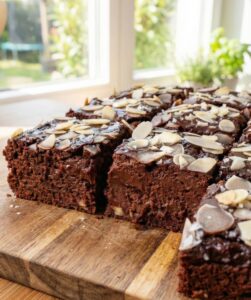

Lemon Cottage Cheese Loaf Cake is the kind of easy homemade bake that feels fresh, comforting, and a little special all at once. It has a soft, tender crumb, a bright citrus flavor, and just enough sweetness to make every slice feel like a treat. Even better, Lemon Cottage Cheese Loaf Cake uses cottage cheese to add moisture and a little protein, which gives the loaf a soft texture without making it heavy.
This is the sort of cake that fits into almost any part of the day. It works with coffee in the afternoon, as a light dessert after dinner, or even as a sweet breakfast slice when you want something a little more satisfying than a muffin. Because the batter comes together with simple ingredients and bakes in one pan, it is also a very approachable recipe for beginners.
I have always loved loaf cakes because they feel relaxed and dependable. They do not need layers, complicated frosting, or special decorating skills. One afternoon, I wanted something lemony that still felt soft and rich instead of sharp or dry, so I turned to cottage cheese for help. The result was better than I expected. The loaf came out moist, gently tangy, and full of bright citrus flavor. After the glaze went on, every slice tasted fresh and bakery-like, yet it was made from pantry staples and a few fridge basics.

Ingredients
Equipment
Method
- Preheat the oven to 350°F. Grease and flour a 9×5-inch loaf pan.
- In a large bowl, whisk the eggs, then add the cane sugar and mix until combined.
- Stir in the blended cottage cheese, lemon zest, lemon extract, and melted coconut oil until smooth.
- In a separate bowl, combine the flour, baking powder, and salt.
- Add the dry ingredients to the wet ingredients and stir just until combined. Do not overmix.
- Pour the batter into the loaf pan and smooth the top.
- Bake for 40 to 45 minutes, until a toothpick inserted in the center comes out mostly clean.
- Cool the loaf in the pan for 10 minutes, then transfer it to a wire rack to cool further.
- Mix the lemon juice and powdered sugar in a small bowl until smooth.
- Drizzle the glaze over the cooled loaf, let it set, then slice and serve.
Notes
Why This Loaf Cake Works So Well
Cottage cheese creates a tender, moist crumb
One of the best things about Lemon Cottage Cheese Loaf Cake is its texture. Some lemon loaves turn out dry, crumbly, or too dense after cooling. This one stays soft and moist because the cottage cheese adds both richness and structure. Once blended, it mixes smoothly into the batter and helps create a loaf that feels tender rather than heavy.
That matters because loaf cakes need balance. If they are too light, they can feel bland or dry. If they are too rich, they can feel greasy or overly dense. Cottage cheese helps this recipe land in the middle. It adds enough body to make each slice satisfying, but it also keeps the crumb delicate.
Because the cottage cheese is blended before using, it does not leave obvious curds in the batter. Instead, it becomes part of the base and quietly improves the texture in the background. This is especially helpful in a recipe like Lemon Cottage Cheese Loaf Cake, where the goal is a smooth, even crumb with a soft bite.
It also helps the loaf stay pleasant the next day. Some quick cakes dry out fast once sliced, but this one holds onto its moisture well. That makes it ideal for make-ahead baking. You can bake it once and enjoy slices over several days without feeling like the cake is already past its best.
Lemon flavor stays bright and balanced
A good lemon cake should taste fresh and lively, but it should not feel harsh. Lemon Cottage Cheese Loaf Cake gets that balance right by using both grated lemon zest and lemon extract. The zest brings natural citrus oils and aroma, while the extract gives the loaf a clear lemon flavor that stays noticeable even after baking.
This combination makes the loaf smell wonderful from the moment it goes into the oven. Then, once baked, the lemon glaze adds another layer of brightness on top. Because the glaze goes on after the loaf cools, the citrus stays fresh and noticeable instead of fading into the crumb.
The sweetness also stays balanced. There is enough sugar in the batter to soften the tang of the lemon, but not so much that the loaf becomes candy-like. As a result, the flavor feels clean and pleasant. You can taste the lemon clearly, yet the loaf still feels soft and comforting.
That balance is one reason Lemon Cottage Cheese Loaf Cake works so well as an everyday bake. It feels special, but it does not feel overly rich or dramatic. It is the kind of cake people reach for twice because the flavor is bright enough to stay interesting and gentle enough to keep craving.
Ingredients That Build the Best Loaf
Everyday staples make this recipe easy
Lemon Cottage Cheese Loaf Cake uses familiar ingredients, which is part of its appeal. Eggs form the structure and help the loaf rise. Cane sugar sweetens the batter and supports the light golden crust. Blended cottage cheese adds moisture and gives the loaf its soft texture.
Lemon zest and lemon extract are the key flavor builders. Together, they create the bright citrus taste that defines the cake. Melted coconut oil brings richness and keeps the crumb soft. All-purpose flour provides the main structure, while baking powder lifts the batter. A little salt rounds everything out and keeps the sweetness from tasting flat.
The glaze is just as simple. Lemon juice and powdered sugar stir together into a smooth topping that adds shine, sweetness, and one more hit of lemon flavor. It is quick to make, yet it changes the final loaf in a big way. Without the glaze, the cake is still good. With it, Lemon Cottage Cheese Loaf Cake feels complete.
Because these ingredients are easy to find, the recipe feels practical. You do not need specialty baking supplies or hard-to-source items. That makes it easier to bake the loaf on impulse, which is often when the best homemade cakes happen.
Smart substitutions can still keep the loaf delicious
Another strength of Lemon Cottage Cheese Loaf Cake is flexibility. If you need to swap a few ingredients, you still have room to make the recipe work. For example, Greek yogurt or ricotta can replace the cottage cheese, though the texture may shift slightly. Silken tofu can also work if you want a dairy-free-style alternative.
For the sweetener, cane sugar can be swapped with coconut sugar, brown sugar, or even a sugar-free option like erythritol if you want to lower the sugar content. Coconut oil can be replaced with butter, ghee, or a neutral vegetable oil such as avocado oil. Each choice changes the flavor a little, but the loaf still bakes well.
If you want to make Lemon Cottage Cheese Loaf Cake gluten-free, use a 1:1 gluten-free flour blend that includes xanthan gum. That helps the loaf hold together better. While almond flour alone is not the best direct replacement here, a careful almond and coconut flour blend can work in a variation.
You can also change the citrus profile. Orange zest or lime zest will create a different kind of loaf while keeping the same basic method. These simple changes make the recipe easier to adapt without losing its soft, bright character.
How to Make Lemon Cottage Cheese Loaf Cake Successfully
Mix the batter gently for the best crumb
Start by preheating the oven to 350°F and preparing a 9×5-inch loaf pan. Grease it and flour it lightly so the loaf releases easily after baking. Then whisk the eggs in a large bowl and add the sugar. Mix until the sugar is well combined and the mixture looks smooth.
Next, add the blended cottage cheese, lemon zest, lemon extract, and melted coconut oil. Stir until the wet ingredients come together fully. In a separate bowl, combine the flour, baking powder, and salt. Then add the dry mixture to the wet mixture.
At this stage, mix just until combined. That detail matters. Overmixing can make a loaf cake tougher and heavier than it should be. Lemon Cottage Cheese Loaf Cake should have a thick batter, and it may look slightly lumpy, which is fine. Once the flour disappears, stop stirring.
Then pour the batter into the prepared loaf pan and smooth the top with a spatula. This helps the loaf bake more evenly and gives it a neater finish. Because the batter is fairly thick, take a moment to level it out well.
This process is straightforward, which makes the recipe beginner-friendly. You do not need a stand mixer or advanced baking skills. You just need to mix carefully and avoid rushing the batter.
Bake fully, then cool before glazing
Bake Lemon Cottage Cheese Loaf Cake for 40 to 45 minutes. Every oven runs a little differently, so begin checking near the 40-minute mark. A toothpick inserted into the center should come out mostly clean when the loaf is done. The top should look lightly golden, and the loaf should feel set.
After baking, let the cake cool in the pan for about 10 minutes. Then transfer it to a wire rack to cool further. This step helps the loaf hold its shape and prevents too much trapped steam from making the crust soggy.
Do not glaze the loaf too soon. If it is still very warm, the glaze will melt and run off instead of sitting nicely on top. Once the loaf has cooled enough, stir together the lemon juice and powdered sugar until smooth. Then spoon or drizzle it over the cake.
The glaze adds more than sweetness. It seals in a little moisture, brightens the lemon flavor, and gives the loaf a polished finish. Once set, it makes each slice feel a little more special. That is one reason Lemon Cottage Cheese Loaf Cake works so well for both casual snacking and serving to guests.
Easy Variations, Serving Ideas, and Storage Tips
Small additions can change the loaf beautifully
Once you have made Lemon Cottage Cheese Loaf Cake once, it becomes easy to customize. Blueberries or raspberries make a lovely addition. Fold about one cup into the batter, and dust them lightly with flour first so they do not sink too much. The berries add bursts of sweetness and make the loaf feel even more bakery-style.
Poppy seeds are another great option. A couple tablespoons turn the loaf into a lemon-poppy-seed version with very little extra work. You can also reduce the sugar slightly if you prefer a less sweet loaf, especially if you plan to keep the glaze.
For a different citrus note, try orange zest or lime zest. Both work well with the cottage cheese base and create a slightly different mood. Orange feels softer and rounder, while lime tastes sharper and brighter.
These adjustments keep Lemon Cottage Cheese Loaf Cake interesting without changing what makes it good. The base stays moist and tender, while the flavor shifts just enough to feel new. That makes it a recipe worth revisiting across seasons.
It stores well and slices beautifully
Loaf cakes are especially useful because they keep well, and Lemon Cottage Cheese Loaf Cake is no exception. Store it in an airtight container at room temperature for 3 to 4 days, or in the refrigerator for up to 7 days if you want it to last longer.
For meal prep, slice the loaf first and wrap individual pieces. Then freeze them for up to 3 months. This makes it easy to thaw a slice whenever you want something homemade with coffee or tea. Because the cake stays moist, it handles storage better than many lighter baked goods.
Serve it plain, glazed, or lightly warmed. It pairs well with coffee, black tea, or even fresh fruit on the side. Since the lemon flavor is bright but not overpowering, the loaf feels appropriate at breakfast, snack time, or dessert.
This versatility is one of the biggest strengths of Lemon Cottage Cheese Loaf Cake. It is simple enough for everyday baking, yet polished enough to share. Recipes that do both tend to become favorites quickly.
FAQ
Does Lemon Cottage Cheese Loaf Cake taste like cottage cheese?
No, not strongly. Once the cottage cheese is blended and baked into the batter, it mostly adds moisture and tenderness rather than a noticeable cheese flavor.
Can I use Greek yogurt instead of cottage cheese?
Yes. Greek yogurt works as a substitute, though the loaf may be slightly less rich and a little smoother in texture.
Can I make Lemon Cottage Cheese Loaf Cake gluten-free?
Yes. Use a 1:1 gluten-free flour blend that includes xanthan gum for the best texture and structure.
How do I know when the loaf is done baking?
Insert a toothpick into the center. If it comes out mostly clean, the loaf is done. The top should also look set and lightly golden.
Can I freeze Lemon Cottage Cheese Loaf Cake?
Yes. Slice it first, wrap the slices well, and freeze for up to 3 months. Thaw at room temperature or in the refrigerator before serving.
Conclusion
Lemon Cottage Cheese Loaf Cake is a simple bake that delivers a lot: bright citrus flavor, a soft tender crumb, an easy one-pan method, and a glaze that makes every slice feel finished. The cottage cheese quietly improves the texture, while the lemon keeps the loaf fresh and lively.
Whether you serve it with afternoon coffee, pack a slice for later, or bring it out as a light dessert, Lemon Cottage Cheese Loaf Cake is the kind of recipe that feels dependable, easy, and worth making again.