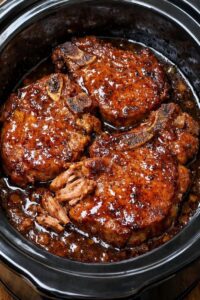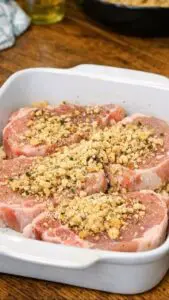
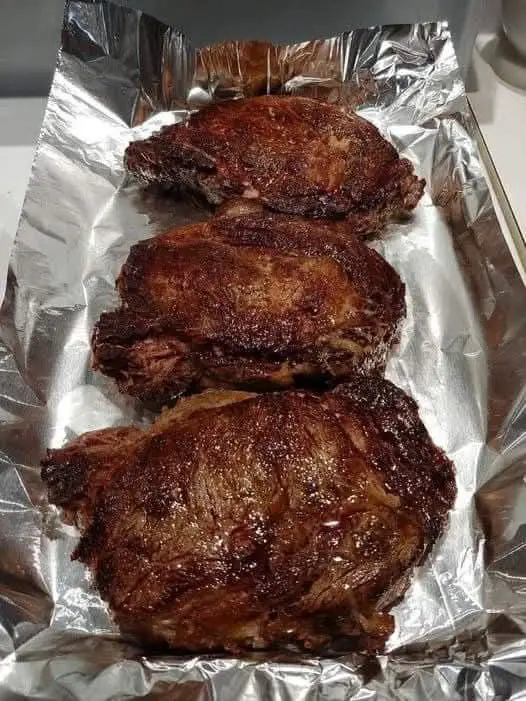
Juicy Ribeye Steak Recipe is the ultimate guide to achieving a perfectly seared, tender, and flavorful steak right at home. With a beautifully caramelized crust and a juicy, buttery interior, this dish delivers steakhouse-quality results using simple techniques. Whether you cook it in a skillet or on the grill, this recipe guarantees bold flavor and a satisfying bite every time.
I remember the first time I tried making a Juicy Ribeye Steak Recipe at home instead of ordering out. I was nervous about overcooking it, but once I learned the basics of heat, timing, and seasoning, everything changed. The smell of sizzling steak filled the kitchen, and the first bite was rich, tender, and perfectly cooked. Since then, it has become my go-to meal whenever I want something simple yet impressive.
Ingredients
Equipment
Method
- Bring steak to room temperature and season with salt and pepper.
- Heat oil in a hot skillet and sear steak for 3–4 minutes.
- Flip steak and cook another 3–4 minutes.
- Optional: baste with butter, garlic, and herbs.
- Rest steak for 5–10 minutes before slicing and serving.
Notes
Why Ribeye Steak Is the Best Choice
Rich Marbling for Maximum Flavor
Juicy Ribeye Steak Recipe works so well because ribeye is naturally one of the most flavorful cuts of beef. Its marbling—thin streaks of fat running through the meat—melts during cooking and keeps the steak juicy.
As the fat renders, it enhances the flavor and creates a tender texture. Because of this, ribeye remains juicy even when cooked to higher doneness levels.
Additionally, the fat contributes to that signature steakhouse taste that makes ribeye so popular.
Perfect for Pan-Seared or Grilled Cooking
Ribeye steak adapts well to different cooking methods. You can cook it in a cast-iron skillet for a crisp crust or grill it for a smoky flavor.
Both methods allow you to achieve a golden-brown sear while keeping the inside tender. Because ribeye cooks quickly, it is ideal for both beginners and experienced cooks.
With the right technique, you can consistently achieve a restaurant-quality steak at home.
Ingredients That Make It Perfect
Simple Yet Powerful Seasoning
The beauty of a Juicy Ribeye Steak Recipe lies in its simplicity. You only need a few ingredients to bring out the natural flavor of the meat.
Salt enhances the beef’s richness, while black pepper adds a subtle kick. These basic seasonings allow the quality of the ribeye to shine.
You can also add garlic and fresh herbs like rosemary or thyme for extra depth. These ingredients infuse the steak with aroma and complexity.
Optional Butter Basting
Butter basting elevates the steak to another level. As the steak cooks, melted butter combined with garlic and herbs coats the surface.
This process adds richness and creates a glossy finish. It also helps develop a deeper crust while keeping the steak moist.
Although optional, this step makes a noticeable difference in both flavor and texture.
How to Make Juicy Ribeye Steak
Step-by-Step Preparation
Start by removing the steak from the refrigerator about 30 minutes before cooking. This helps it cook evenly.
Pat the steak dry with paper towels, then season generously with salt and black pepper on both sides.
Heat a cast-iron skillet over high heat until very hot. Add a small amount of oil with a high smoke point.
Place the steak in the pan and let it sear without moving for about 3–4 minutes. This creates a deep, golden crust.
Cooking and Finishing
Flip the steak and cook for another 3–4 minutes. If using butter, add it along with garlic and herbs at this stage.
Tilt the pan slightly and spoon the melted butter over the steak repeatedly. This enhances flavor and helps cook the steak evenly.
Use a thermometer if needed:
- Rare: 125°F
- Medium-rare: 130–135°F
- Medium: 140–145°F
Remove the steak from the pan and let it rest for 5–10 minutes. This allows the juices to redistribute.
Slice against the grain and serve immediately.
Tips, Variations, and Storage
Tips for Best Results
Always use a hot pan to achieve a proper sear. A cold pan will result in a gray, less flavorful crust.
Avoid flipping the steak too often. Let it develop a crust before turning.
Resting the steak is essential. Skipping this step can cause juices to run out when cutting.
Serving and Storage Ideas
Serve your steak with sides like mashed potatoes, roasted vegetables, or a fresh salad. These complement the richness of the meat.
If you have leftovers, store them in an airtight container in the refrigerator for up to three days.
Reheat gently to avoid overcooking, or slice thinly and use in sandwiches or salads.
Frequently Asked Questions
What is the best doneness for ribeye?
Medium-rare is ideal for maximum tenderness and flavor.
Do I need a cast-iron skillet?
It’s recommended, but any heavy pan that retains heat well can work.
Can I grill instead of pan-searing?
Yes, grilling adds a smoky flavor and works just as well.
How do I know when the steak is done?
Use a meat thermometer for accuracy.
Why is resting important?
It keeps the steak juicy by allowing the juices to redistribute.
Conclusion
Juicy Ribeye Steak Recipe shows that you don’t need complicated techniques to create an incredible meal. With the right cut, proper seasoning, and simple cooking methods, you can achieve a perfectly seared, tender steak every time. Whether for a special occasion or a quick dinner, this recipe delivers bold flavor and satisfying results.