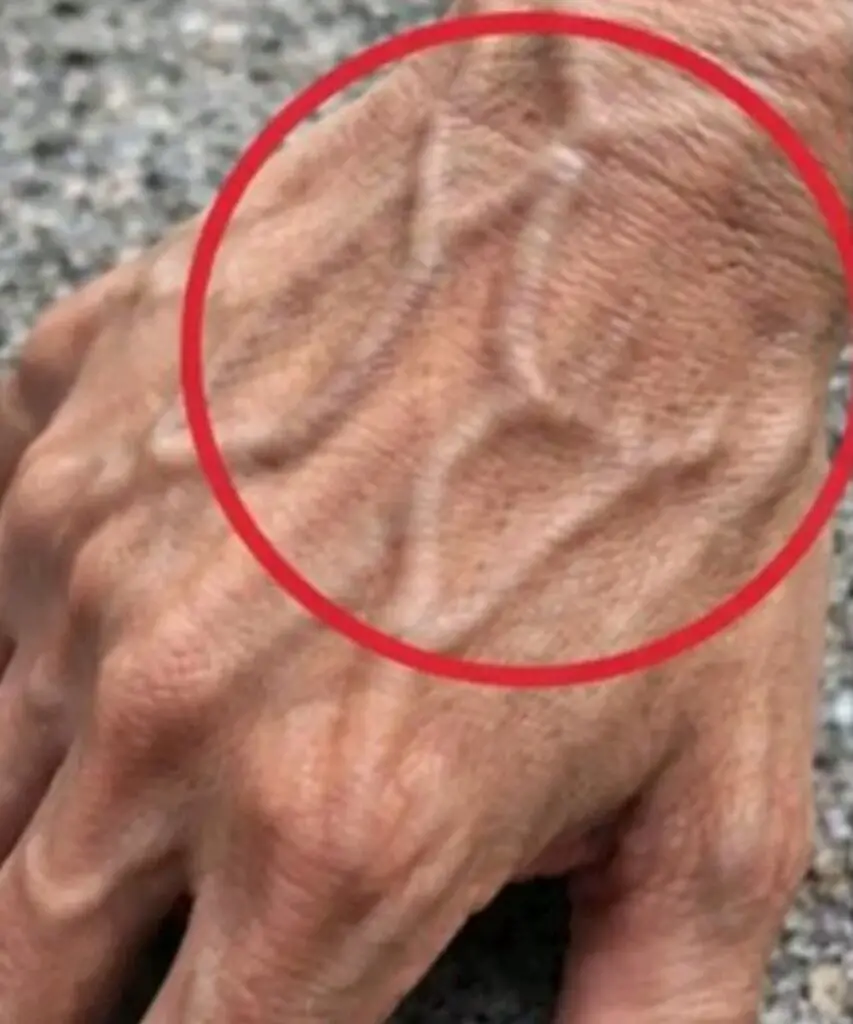
If your hand veins are visible, you might wonder what your body is trying to tell you. In many cases, visible veins are completely normal and simply reflect natural changes such as aging, body composition, or even daily activity levels. While they can sometimes appear suddenly or become more noticeable over time, they are rarely a cause for concern. Understanding the reasons behind visible veins can help you feel more confident and aware of what’s happening beneath your skin.
Our bodies constantly change, and our hands often reveal those changes first. Because the skin on the hands is thinner than in many other areas, veins can become more prominent as conditions shift. However, this visibility often has simple explanations rather than serious implications.
I remember noticing my own hand veins becoming more visible after a period of regular workouts. At first, it felt surprising, but I quickly learned it was a normal response to increased circulation and lower body fat. Over time, I stopped worrying and started seeing it as a sign of how my body adapts and evolves naturally.
Why Veins Become More Visible Over Time
Aging and Skin Changes
As people age, the skin gradually becomes thinner and loses elasticity. This process occurs because the body produces less collagen and elastin over time. As a result, the layer of skin covering the veins becomes less dense, making the veins underneath more visible.
This change is especially noticeable on the hands because the skin there is already delicate. Therefore, even small reductions in thickness can make a big visual difference.
In addition, aging can cause veins themselves to become slightly enlarged. This combination of thinner skin and more prominent veins explains why many people notice this change as they get older.
Reduced Fat Beneath the Skin
Another common reason for visible hand veins is a reduction in subcutaneous fat. This layer of fat normally sits between the skin and the veins, acting as a cushion.
When body fat decreases—whether due to weight loss, exercise, or genetics—this cushion becomes thinner. Consequently, veins appear closer to the surface and become easier to see.
Athletes often experience this effect. Their lower body fat and increased muscle definition naturally make veins more noticeable, especially in the hands and arms.
Lifestyle Factors That Affect Vein Visibility
Physical Activity and Blood Flow
Exercise plays a major role in how visible your veins appear. During physical activity, blood flow increases to deliver oxygen and nutrients to your muscles.
As a result, veins temporarily expand, making them more prominent. This effect is often referred to as “vascularity” and is especially noticeable after strength training or intense workouts.
Even after exercise, regular activity can lead to more defined veins over time. This is a normal and healthy response to improved circulation.
Temperature and Hydration
Temperature can also influence how visible your veins are. When your body is warm, blood vessels expand to help regulate temperature. This causes veins to become more noticeable.
On the other hand, in cooler conditions, blood vessels constrict, which may make veins less visible.
Hydration also plays an important role. When you are well-hydrated, blood flows more efficiently. However, dehydration can sometimes make veins appear more pronounced due to reduced fluid volume in surrounding tissues.
When Visible Veins Might Signal Something More
Temporary vs. Sudden Changes
Most of the time, visible veins are harmless. However, it’s important to pay attention to how and when the change occurs.
Gradual changes over months or years are typically normal. In contrast, sudden or dramatic changes may warrant closer attention.
For example, if veins become highly swollen, painful, or accompanied by redness, it could indicate inflammation or another condition that requires evaluation.
Medical Conditions to Be Aware Of
Although rare, certain conditions can cause veins to become more prominent. Varicose veins, for instance, occur when veins become enlarged and twisted due to weakened valves.
Additionally, issues related to circulation or blood pressure may sometimes affect how veins appear. However, these conditions usually come with other symptoms, not just visible veins alone.
If you experience discomfort, swelling, or unusual changes, consulting a healthcare professional is a good idea for reassurance.
How to Manage or Reduce the Appearance
Everyday Habits That Help
If you prefer less visible veins, there are a few simple steps you can take. Maintaining a balanced body weight can help preserve the natural layer beneath the skin.
Additionally, protecting your skin from excessive sun exposure can slow down the thinning process. Using sunscreen regularly helps maintain skin health and elasticity.
Staying hydrated and following a healthy lifestyle also supports overall circulation and skin condition.
Cosmetic and Practical Options
For those who feel self-conscious about visible veins, cosmetic options are available. Some people choose treatments that reduce vein appearance, although these are usually unnecessary from a medical perspective.
More commonly, people simply accept visible veins as a natural part of their body. Since they are usually harmless, no treatment is required.
Choosing comfortable, simple grooming and skincare habits often provides enough confidence without the need for intervention.
Frequently Asked Questions
1. Are visible hand veins a sign of good health?
They can be. In many cases, they reflect good circulation and low body fat, especially in active individuals.
2. Why do my veins look bigger after exercise?
Exercise increases blood flow, causing veins to expand temporarily.
3. Do visible veins mean I’m dehydrated?
Not always. While dehydration can make veins more noticeable, many other factors also play a role.
4. Can visible veins disappear over time?
They may become less noticeable with changes in weight, hydration, or temperature, but they often remain visible.
5. Should I worry about suddenly visible veins?
If the change is sudden and accompanied by pain or swelling, it’s best to consult a professional.
Conclusion
Visible hand veins are usually a natural and harmless part of how the body changes over time. Factors such as aging, reduced body fat, physical activity, and temperature all contribute to how prominent veins appear.
In most cases, there is no need for concern. Instead, visible veins simply reflect your body’s structure and how it adapts to different conditions. By understanding these changes, you can feel more confident and less worried about what you see.
Ultimately, your hands tell a story of movement, growth, and time. Visible veins are just one small part of that story—and in most cases, they are completely normal.