It happens in a heartbeat. A casual stroll through tall grass, an afternoon tending your garden, or even a few minutes playing with your dog—suddenly, you feel the faintest brush against your skin. You pause. Then you look down.
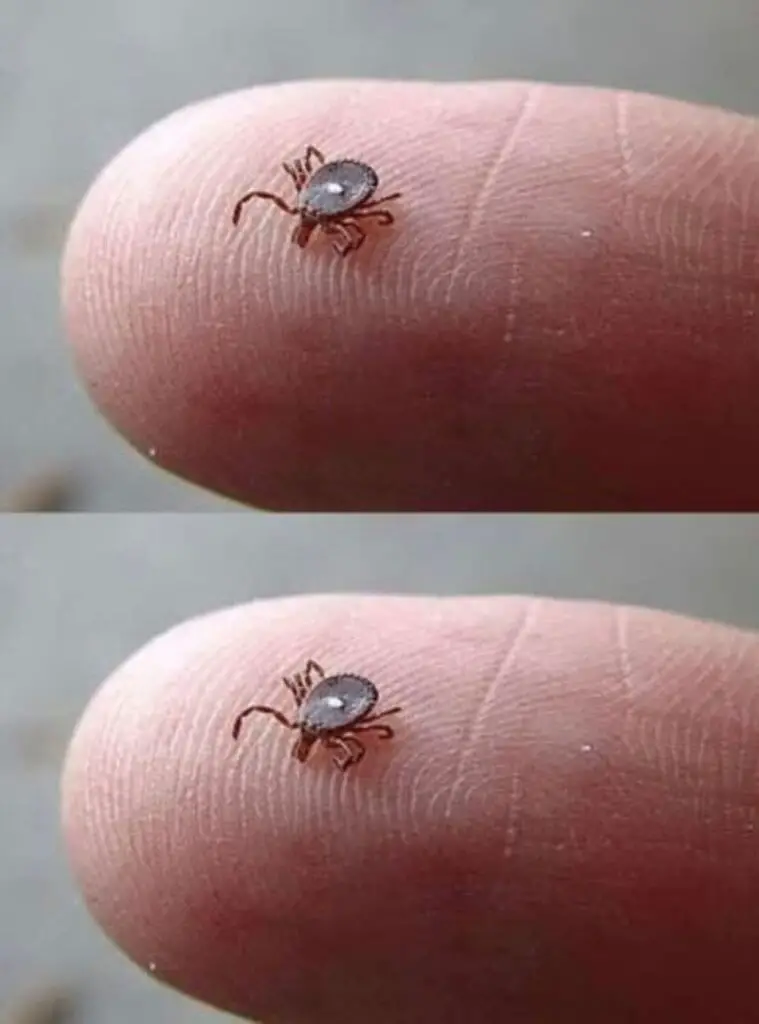
There it is: a small, dark insect, firmly anchored to your skin. Panic rises. Questions flood your mind: How long has it been there? Could it make me sick? What should I do now?
Take a deep breath. You’re not alone, and with the right approach, you can handle this calmly and safely. What follows is a complete guide to recognizing, removing, and preventing tick encounters, along with an understanding of the potential health risks.
Understanding the Tick: More Than Just a Bite
Ticks are arachnids—distant relatives of spiders—specialized for feeding on blood. Though small, their bite can have outsized effects because ticks can transmit diseases to humans and animals.
- Life Cycle: Ticks go through four stages—egg, larva, nymph, and adult. Nymphs, being tiny, are often responsible for most human bites because they are difficult to see.
- Activity: Warm months see the highest activity, but ticks can be active whenever temperatures exceed freezing. They thrive in tall grasses, leaf litter, shrubs, and wooded areas.
- Attachment Duration Matters: The longer a tick remains attached, the higher the risk of disease transmission. Early detection and removal are critical.
Common North American Ticks & Associated Risks
Different tick species carry different pathogens. Some of the most common include:
- Blacklegged (Deer) Tick: The primary carrier of Lyme disease, anaplasmosis, and babesiosis.
- American Dog Tick: Known for Rocky Mountain spotted fever and tularemia.
- Lone Star Tick: Can trigger ehrlichiosis and, in some people, a delayed red meat allergy.
- Western Blacklegged Tick: Found mainly in the Pacific Northwest, carries Lyme disease and other bacterial infections.
Even within these categories, not every tick is infected. However, assuming caution is wise.
Step 1: Removing a Tick Safely
When a tick is attached, the priority is safe removal:
- Use Fine-Tipped Tweezers: Grasp the tick as close to the skin’s surface as possible. Avoid squeezing the body of the tick.
- Pull Upward Steadily: A slow, steady pull minimizes the risk of leaving mouthparts embedded in the skin. Avoid twisting or jerking.
- Clean the Bite Area: Wash thoroughly with soap and water, then disinfect with rubbing alcohol or antiseptic.
- Dispose of the Tick Safely: Place it in a sealed container with alcohol, or flush it down the toilet. Avoid crushing it with your fingers.
Tip: Keeping the tick for identification can be helpful if symptoms appear, especially to determine the specific species and risk of disease.
Step 2: Monitoring Your Health
After a bite, it’s essential to monitor your body for signs of illness, which can appear days or weeks later:
- Red Rash: Sometimes circular, resembling a bullseye in Lyme disease.
- Flu-Like Symptoms: Fever, chills, fatigue, headache, and muscle aches.
- Swollen Lymph Nodes: A possible indicator of infection.
Seek medical attention promptly if any of these symptoms develop, particularly if the rash appears or fever occurs. Early treatment is often highly effective.
Step 3: Preventing Tick Encounters
Prevention is the most effective strategy:
- Wear Protective Clothing: Long sleeves, pants tucked into socks, and light-colored clothing make ticks easier to spot.
- Use Repellents: DEET, picaridin, and permethrin (for clothing) repel ticks effectively.
- Stick to Clear Paths: Avoid tall grasses, leaf litter, and dense brush when walking outdoors.
- Conduct Thorough Checks: Inspect your body, hairline, and clothing after outdoor activities. Pets should also be checked.
- Landscape Management: Keep grass trimmed, remove leaf litter, and create tick-free zones around patios or play areas.
Understanding Tick-Borne Diseases
While not every tick bite leads to illness, several serious conditions can result:
- Lyme Disease: Caused by Borrelia burgdorferi, often begins with a rash and flu-like symptoms, progressing to joint pain and neurological effects if untreated.
- Rocky Mountain Spotted Fever: Caused by Rickettsia rickettsii, may present with fever, rash, and potentially life-threatening complications.
- Ehrlichiosis: Can cause fever, headache, and muscle aches; sometimes severe if not addressed.
- Babesiosis: A parasitic infection affecting red blood cells, causing fatigue, fever, and anemia.
Prompt removal and medical attention dramatically reduce the risk of these infections.
Step 4: Special Considerations
- Children and Elderly: More vulnerable to complications; extra vigilance is essential.
- Immunocompromised Individuals: Even mild infections can escalate, requiring immediate medical attention.
- Pets: Dogs and cats can carry ticks into homes; regular vet checkups and preventive treatments are important.
Step 5: Aftercare and Peace of Mind
- Document the Bite: Note the date, location, and tick description for reference.
- Follow-Up: If prescribed antibiotics as a preventive measure, complete the full course.
- Self-Care: Stay hydrated, rest, and monitor for lingering fatigue or symptoms.
Final Thoughts
Ticks are tiny but impactful. Awareness, timely action, and prevention are your best defenses. By learning how to remove them safely, monitor your health, and take preventive measures, you can continue enjoying outdoor activities with confidence.
Remember: not every tick bite leads to illness—but vigilance, preparation, and calm response make all the difference.