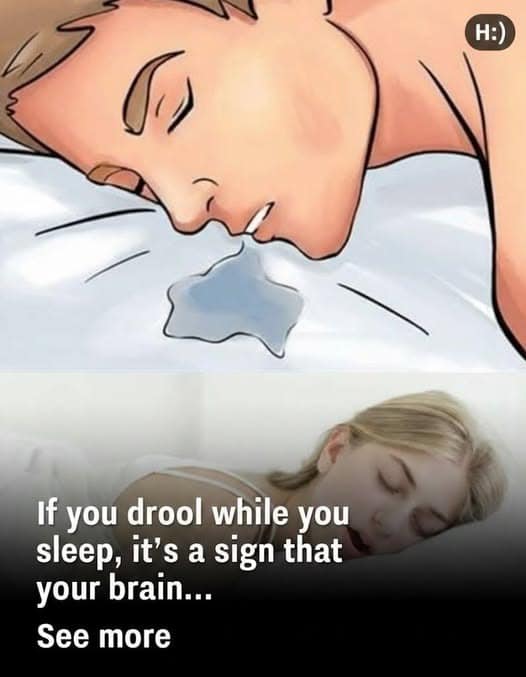
Waking up to a damp pillow can feel embarrassing, confusing, or simply annoying. However, if you drool while sleeping often, check for these 6 diseases because your body may be signaling something deeper. Occasional drooling is common and usually harmless. Yet when it becomes frequent, excessive, or sudden, it deserves attention.
Doctors call persistent drooling sialorrhea, and while it can result from sleeping position or deep relaxation, it may also connect to breathing disorders, digestive issues, neurological conditions, or medication side effects. Therefore, paying attention to patterns and additional symptoms matters.
I remember brushing off my own nighttime drooling for months. I blamed stress, long workdays, and sleeping on my side. However, when morning headaches and exhaustion joined the picture, I realized something felt off. After speaking with my doctor, I learned mild sleep apnea caused the issue. Once I began treatment, the drooling stopped almost completely. That experience taught me something important: small symptoms can reveal bigger stories about your health.
Now let’s look closely at the six conditions you should not ignore.
Sleep-Related Breathing Disorders
Breathing problems during sleep often sit at the top of the list when drooling becomes chronic. Because breathing patterns affect swallowing reflexes, disruptions can easily lead to saliva buildup.
Obstructive Sleep Apnea
Obstructive sleep apnea (OSA) occurs when throat muscles relax too much and block the airway. As a result, breathing repeatedly stops and starts throughout the night. Since airflow becomes restricted, many people switch to mouth breathing.
Mouth breathing reduces normal swallowing frequency. Consequently, saliva pools inside the mouth and leaks onto the pillow.
Other warning signs include:
- Loud, chronic snoring
- Gasping or choking during sleep
- Morning headaches
- Dry mouth upon waking
- Persistent daytime fatigue
If you notice these symptoms along with drooling, speak to a healthcare provider. A sleep study can confirm the diagnosis. Treatment options such as CPAP therapy, weight management, or oral appliances often improve breathing quickly. Once breathing stabilizes, drooling frequently decreases.
Chronic Mouth Breathing
Even without full sleep apnea, chronic mouth breathing can trigger drooling. Nasal blockages, enlarged tonsils, or structural airway issues may force you to sleep with your mouth open.
When the mouth stays open for hours, saliva escapes easily. Additionally, swallowing reflexes slow during deep sleep. Together, these factors create the perfect situation for excessive drooling.
Fortunately, addressing the root cause—whether structural or inflammatory—can significantly improve symptoms.
Digestive Disorders and Acid Imbalance
Your digestive system also plays a surprising role in nighttime drooling. In fact, acid imbalance can stimulate excess saliva production.
Gastroesophageal Reflux Disease (GERD)
GERD develops when stomach acid flows backward into the esophagus. This acid irritates the lining and causes heartburn, regurgitation, and throat discomfort.
However, many people do not realize that acid reflux also triggers hypersalivation. Your body produces extra saliva to neutralize the acid. Therefore, when you lie flat at night, that additional saliva may overflow.
Common symptoms of GERD include:
- Burning chest sensation
- Sour taste in the mouth
- Chronic cough
- Hoarseness
- Throat irritation
Elevating your head while sleeping can reduce reflux. Additionally, avoid heavy meals before bedtime and limit spicy or fatty foods. If symptoms continue, medical treatment may help restore balance.
Silent Reflux
Some individuals experience “silent reflux,” where acid irritation occurs without noticeable heartburn. Nevertheless, saliva production still increases.
If drooling pairs with chronic throat clearing, persistent cough, or voice changes, silent reflux could be involved. Because symptoms remain subtle, medical evaluation becomes especially important.
Neurological Conditions That Affect Swallowing
Swallowing depends on precise coordination between nerves and muscles. Therefore, any condition that disrupts neurological control can interfere with saliva management.
Parkinson’s Disease
Parkinson’s disease affects movement and muscle control. Although people often associate it with tremors, it also impacts facial muscles and swallowing reflexes.
In many cases, drooling does not result from excess saliva production. Instead, reduced swallowing frequency allows saliva to accumulate.
Other symptoms may include:
- Tremors in hands or limbs
- Muscle stiffness
- Slowed movement
- Soft or slurred speech
- Balance problems
Early diagnosis improves quality of life. If drooling appears alongside motor changes, consult a specialist promptly.
Stroke or Neuromuscular Disorders
A stroke can weaken facial muscles or impair nerve signals. Similarly, conditions such as ALS or cerebral palsy may disrupt muscle coordination.
When muscles fail to close the mouth completely or swallowing slows significantly, saliva spills out during sleep. Because neurological symptoms require immediate attention, do not ignore sudden drooling combined with weakness, facial drooping, or speech difficulty.
Timely intervention can make a critical difference.
Allergies and Sinus Problems
Blocked nasal passages often force mouth breathing, which contributes directly to nighttime drooling.
Chronic Allergies
Seasonal or year-round allergies inflame nasal tissues. As swelling increases, airflow through the nose decreases. Consequently, you breathe through your mouth while sleeping.
Mouth breathing increases saliva escape. Additionally, postnasal drip may stimulate more swallowing irregularities.
You may also notice:
- Sneezing
- Nasal congestion
- Itchy eyes
- Sinus pressure
- Dry throat in the morning
Managing allergies with antihistamines or nasal sprays often reduces drooling quickly.
Sinus Infections or Structural Issues
Chronic sinus infections create persistent congestion. Meanwhile, a deviated septum can permanently restrict airflow on one side of the nose.
Because these conditions block proper breathing, drooling becomes more likely. Treatment may include medication or minor procedures to restore airflow.
When nasal passages open fully, sleep quality improves, and drooling frequently resolves.
Medication Side Effects
Sometimes the cause hides inside your medicine cabinet. Certain medications increase saliva production as a side effect.
Drugs That Stimulate Saliva
Some medications affect neurotransmitters that regulate saliva glands. For example, certain antipsychotics, Alzheimer’s medications, and seizure treatments may stimulate excessive production.
Although saliva normally protects oral health, too much can create nighttime overflow.
If drooling began after starting a new medication, review the timing carefully. However, never stop prescription medication without professional guidance.
Dosage and Adjustment Solutions
Often, physicians can adjust dosage or recommend alternative options. Therefore, open communication remains essential.
Keep track of when drooling occurs and whether it correlates with medication changes. Clear records help healthcare providers make informed decisions.
Dental and Oral Health Problems
Oral structure and hygiene directly influence saliva control. When the mouth does not close properly or pain interferes with swallowing, drooling may follow.
Misaligned Teeth or Ill-Fitting Dentures
Improper bite alignment can prevent the lips from sealing completely. As a result, saliva escapes more easily.
Dentures that shift overnight also create gaps. Additionally, discomfort may discourage normal swallowing patterns.
Regular dental visits ensure proper fit and alignment. Small corrections often make a noticeable difference.
Gum Disease and Oral Infections
Inflamed gums or infections stimulate saliva glands as part of the body’s protective response. Moreover, pain can make swallowing uncomfortable.
Signs of oral health problems include:
- Bleeding gums
- Bad breath
- Tooth sensitivity
- Jaw discomfort
Professional cleaning and treatment restore balance. Improved oral health often reduces nighttime drooling significantly.
When Should You See a Doctor?
Occasional drooling remains normal. However, you should seek medical advice if you experience:
- Frequent pillow-soaking drooling
- Difficulty swallowing food
- Sudden onset of symptoms
- Slurred speech or muscle weakness
- Chronic fatigue or breathing pauses during sleep
Early evaluation prevents complications and offers peace of mind.
Practical Steps You Can Take Tonight
While medical evaluation may be necessary, you can also try simple strategies immediately:
- Sleep on your side instead of your back
- Elevate your head slightly
- Maintain consistent sleep schedules
- Practice good oral hygiene
- Avoid heavy meals before bed
- Treat allergy symptoms promptly
Although these changes may not cure underlying conditions, they can reduce severity while you pursue professional guidance.
Final Thoughts
If you drool while sleeping often, check for these 6 diseases because persistent drooling rarely happens without a reason. While many causes remain harmless, others require timely treatment.
Your body communicates through subtle signs. Therefore, instead of dismissing the symptom, observe patterns. Notice additional changes. Seek evaluation when needed.
A damp pillow might feel minor. However, understanding the cause can improve sleep quality, protect long-term health, and provide reassurance.
Listen closely. Your body often whispers before it shouts.