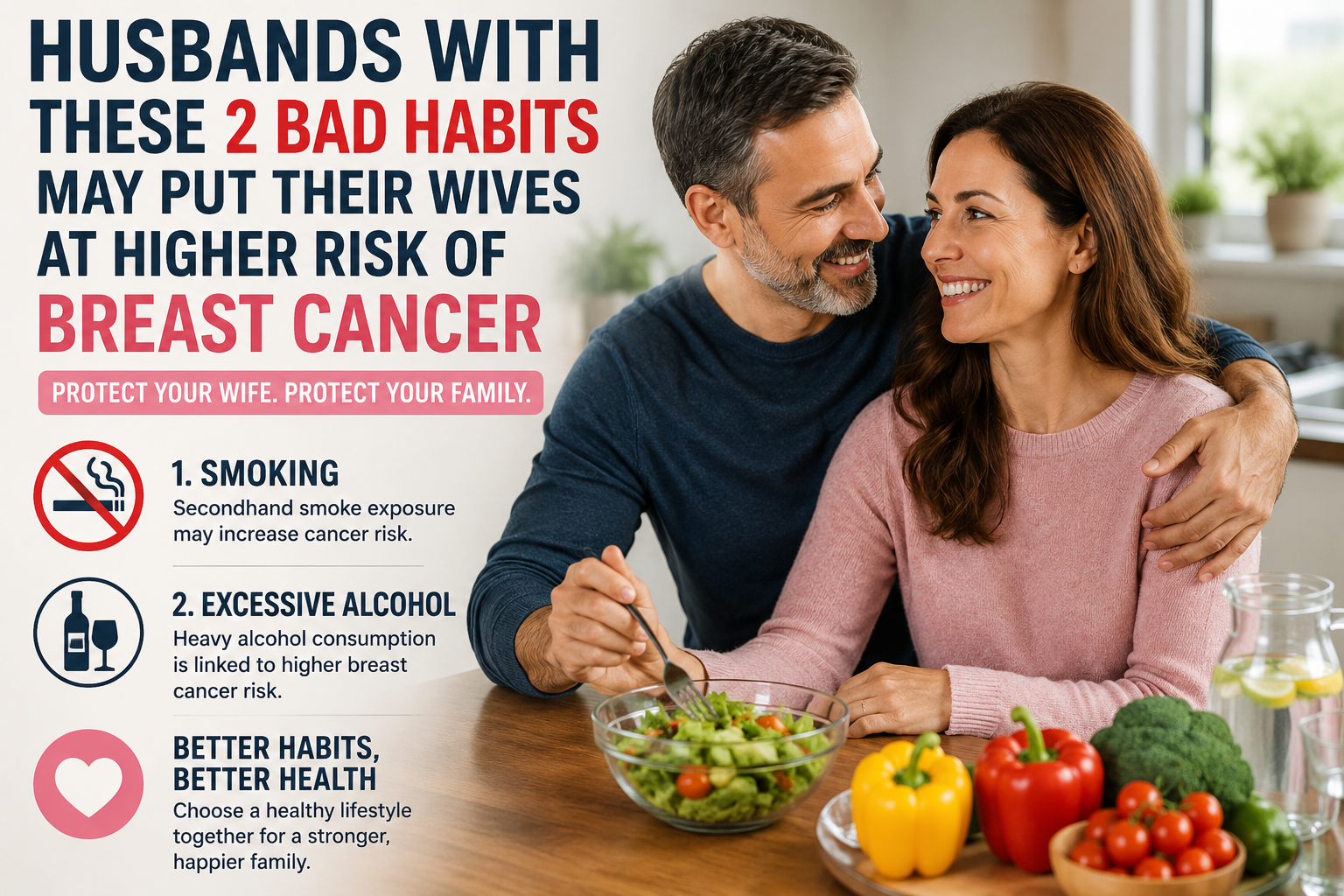
Headlines that claim certain habits can “cause cancer” often spread fear faster than facts. While no single behavior guarantees someone will develop cancer, researchers do know that some everyday lifestyle habits inside a household can influence the long-term health of partners and families.
When it comes to breast cancer, experts emphasize that risk is influenced by many factors, including genetics, hormones, age, environment, diet, physical activity, smoking exposure, alcohol use, and overall lifestyle patterns.
So rather than focusing on fear-based claims, it helps to understand which shared household habits may genuinely impact family health — and what couples can do together to reduce risks and build healthier routines.
A few years ago, a friend told me that her doctor asked not only about her own habits, but also about her home environment. Did anyone smoke indoors? Was there heavy alcohol use in the household? How stressful was daily life? She was surprised to learn how much shared lifestyle patterns can affect everyone living under the same roof.
That conversation changed the way she approached health — not as an individual responsibility, but as a family effort.
Understanding Breast Cancer Risk
Breast cancer develops when cells in breast tissue grow abnormally.
Doctors still cannot point to one single cause in most cases.
Major Risk Factors
Some of the most recognized risk factors include:
- Age
- Family history
- Genetic mutations
- Hormonal factors
- Obesity
- Alcohol consumption
- Smoking
- Physical inactivity
Many people with risk factors never develop cancer, while some with no known risks still do.
Why Lifestyle Still Matters
Even though no lifestyle guarantees prevention, healthy habits may help lower overall risk and support long-term wellness.
That’s why doctors encourage:
- Balanced nutrition
- Regular exercise
- Avoiding smoking
- Limiting alcohol
- Maintaining healthy weight
- Routine screenings
Habit #1: Smoking Around Family Members
Secondhand smoke remains one of the most studied household health risks.
How Secondhand Smoke Affects Others
Tobacco smoke contains thousands of chemicals, including many linked to cancer.
Secondhand smoke exposure may increase the risk of:
- Lung disease
- Heart disease
- Respiratory illness
- Certain cancers
Children and partners living with smokers often experience higher exposure levels over time.
Breast Cancer and Smoking Research
Research continues to explore possible links between smoking exposure and breast cancer risk.
While studies vary, many experts agree that reducing smoke exposure benefits overall health regardless.
Creating a Smoke-Free Home
Families can lower exposure by:
- Avoiding indoor smoking
- Smoking away from entrances
- Quitting tobacco entirely
- Using support programs if needed
Even small changes create healthier living spaces.
Habit #2: Heavy Alcohol Consumption
Alcohol use affects more than the person drinking.
Alcohol and Cancer Risk
Research has linked alcohol consumption to increased risk for several cancers, including breast cancer.
Risk tends to increase with higher alcohol intake.
Household Effects
Heavy alcohol use may influence:
- Family stress
- Sleep quality
- Nutrition habits
- Emotional well-being
- Relationship health
Children also observe and often model long-term behaviors seen at home.
Healthier Alternatives
Many families improve wellness by:
- Reducing weekly alcohol intake
- Choosing alcohol-free days
- Replacing drinks with healthier routines
- Supporting moderation together
Shared Lifestyle Habits Matter More Than People Realize
Health patterns inside households often spread naturally between partners.
Eating Habits Become Shared Habits
Couples frequently adopt similar eating routines over time.
This may include:
- Fast food frequency
- Portion sizes
- Vegetable intake
- Sugar consumption
- Meal timing
One partner’s habits can influence the entire household.
Physical Activity Influences Everyone
Active households tend to encourage healthier movement naturally.
Simple activities help:
- Evening walks
- Cooking together
- Weekend hikes
- Outdoor play
- Home workouts
Consistency matters more than perfection.
Stress and Emotional Health in Relationships
Chronic stress affects the body in many ways.
Why Stress Matters
Long-term stress may contribute to:
- Sleep problems
- Hormonal changes
- Weakened immunity
- Poor eating habits
- Increased inflammation
While stress alone does not directly “cause” cancer, it can influence overall health patterns.
Supportive Relationships Improve Wellness
Healthy relationships often encourage:
- Better sleep
- Emotional stability
- Healthier habits
- More consistent medical care
- Improved mental health
Emotional support plays a major role in long-term wellness.
Common Myths About Cancer and Relationships
Many viral posts oversimplify cancer causes.
Myth: One Habit Automatically Causes Cancer
Cancer is extremely complex.
Most cancers develop through a combination of:
- Genetics
- Aging
- Environment
- Lifestyle
- Random cellular changes
No single habit guarantees disease.
Myth: Blame Helps Prevention
Blaming spouses or partners creates fear and guilt rather than healthier behavior.
Real prevention focuses on:
- Education
- Screening
- Support
- Healthy choices
- Medical guidance
Healthy Habits Couples Can Build Together
Small daily routines often create the biggest long-term impact.
Prioritize Preventive Care
Couples can encourage each other to:
- Schedule checkups
- Attend screenings
- Monitor symptoms
- Ask doctors questions
Early detection saves lives.
Build Better Nutrition Habits
Families benefit from:
- More vegetables
- Whole foods
- Lean proteins
- Fiber-rich meals
- Reduced processed foods
Healthy eating works best when everyone participates.
Exercise as a Team
Working out together improves consistency and motivation.
Even moderate movement helps:
- Walking
- Cycling
- Swimming
- Dancing
- Gardening
The Role of Family Environment
Children often learn health behaviors from adults around them.
Home Culture Matters
Households that prioritize wellness may encourage:
- Better nutrition
- Physical activity
- Emotional communication
- Reduced smoking exposure
- Healthier coping skills
These patterns often continue into adulthood.
Small Changes Add Up
No family becomes perfectly healthy overnight.
Progress usually happens gradually through:
- Better routines
- More awareness
- Consistent habits
- Mutual encouragement
Frequently Asked Questions
Can a husband directly cause breast cancer in his wife?
No. Cancer does not work that way. However, shared lifestyle habits and environmental exposures may influence overall health risks.
Does secondhand smoke increase health risks?
Yes. Secondhand smoke is linked to multiple serious health conditions.
Is alcohol linked to breast cancer?
Research suggests alcohol consumption may increase breast cancer risk, especially with heavier intake.
Should families panic over viral health headlines?
No. Many online claims exaggerate risks and oversimplify complex medical topics.
What matters most for long-term health?
Balanced habits, regular medical care, screenings, exercise, nutrition, and avoiding harmful exposures.
Final Thoughts
Fear-based health headlines often oversimplify serious medical topics. Breast cancer risk is influenced by many factors, and no article or viral image can fully explain an individual’s health journey.
Still, the habits shared inside a household do matter. Smoking exposure, heavy alcohol use, poor nutrition, inactivity, and chronic stress can affect the well-being of everyone in the family.
The encouraging news is that healthier routines also spread. Supportive relationships, balanced meals, exercise, emotional connection, and preventive care all help create stronger, healthier families over time.
Real health is rarely about one dramatic change. More often, it grows from small daily choices repeated consistently with care, awareness, and support for one another.