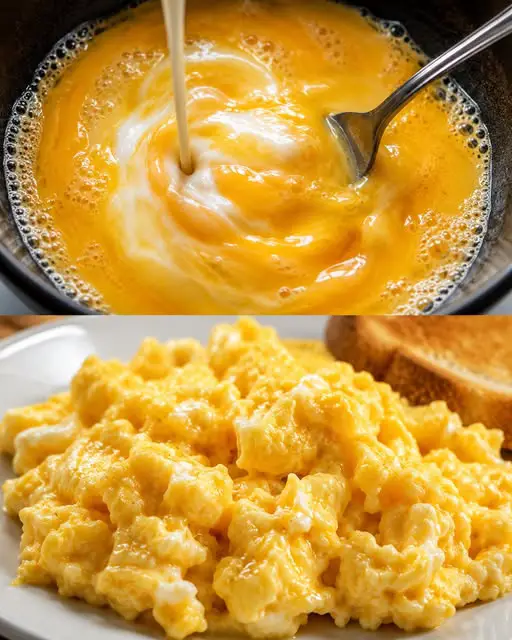
Scrambled eggs may seem simple, but making truly perfect scrambled eggs takes a little patience and the right technique. Soft, creamy, buttery eggs with tender curds can completely transform breakfast from ordinary to unforgettable. While many people cook scrambled eggs quickly over high heat, the secret to restaurant-quality eggs actually comes from slowing down and treating the eggs gently.
Perfect scrambled eggs should never be dry, rubbery, or bland. Instead, they should look glossy, soft, and fluffy with rich buttery flavor in every bite. The good news is that you do not need expensive equipment or complicated ingredients. With fresh eggs, butter, and low heat, you can make silky scrambled eggs every single time.
I still remember the first time I tasted truly creamy scrambled eggs at a friend’s house. I expected the usual dry breakfast eggs, but what arrived on the plate looked completely different. The eggs were soft, delicate, and almost cloud-like. One bite changed everything. From that moment, I stopped rushing scrambled eggs and started cooking them slowly and carefully. Ever since, breakfast has never been the same in my kitchen.
Why Perfect Scrambled Eggs Matter
The Difference Between Good and Great Eggs
Many people think scrambled eggs are just a quick breakfast option, but technique makes an enormous difference.
Overcooked eggs become dry because high heat forces the egg proteins to tighten too quickly. As a result, moisture escapes and leaves the eggs rubbery. However, cooking eggs gently over low heat keeps the proteins soft and tender.
Butter also plays a major role. Real butter adds richness while helping the eggs stay creamy during cooking. Combined with slow heat, butter creates the luxurious texture people love in diner-style scrambled eggs.
Why Low Heat Changes Everything
Low heat gives the eggs time to cook evenly without drying out. Instead of forming tiny dry pieces, the eggs develop large soft curds that stay moist and fluffy.
Although cooking slowly takes a few extra minutes, the difference in flavor and texture is dramatic. Gentle heat also makes the eggs easier to control, reducing the risk of overcooking.
Once you experience silky scrambled eggs made properly, it becomes difficult to return to rushed high-heat cooking.
Ingredients for Perfect Scrambled Eggs
Simple Ingredients That Work Best
To make perfect scrambled eggs, you only need a few ingredients:
- Fresh eggs
- Butter
- Salt
- Black pepper (optional)
Fresh eggs create better flavor and texture. Although older eggs still work, fresher eggs produce fluffier, creamier curds.
Real butter is essential because it adds both flavor and richness. Margarine lacks the same creamy texture and depth.
Salt enhances flavor while also helping tenderize the eggs slightly when added before cooking.
Ingredients
Equipment
Method
- Crack eggs into a bowl, add salt, and whisk until smooth.
- Heat a nonstick skillet over low heat and melt butter gently.
- Pour eggs into the skillet and let sit briefly before stirring.
- Use a rubber spatula to gently fold eggs toward the center.
- Continue cooking slowly until eggs are soft and slightly glossy.
- Remove from heat before fully set and serve immediately.
Notes
Optional Additions and Variations
Once you master the basic method, you can customize your scrambled eggs easily.
Popular additions include:
- Chopped chives
- Shredded cheese
- Fresh herbs
- Sautéed mushrooms
- Crispy bacon
- Hot sauce
- Spinach
However, simple buttery eggs often taste best because the creamy texture remains the star of the dish.
How to Make Perfect Scrambled Eggs
Step 1: Whisk the Eggs Properly
Crack the eggs into a bowl and add a pinch of salt.
Whisk gently until the yolks and whites combine completely into a smooth yellow mixture. Avoid over-whisking because too much air can create foam instead of creamy eggs.
A fork works perfectly fine for whisking.
Step 2: Heat Butter Slowly
Place a nonstick skillet over low heat and add butter.
Allow the butter to melt gently without browning. If the butter sizzles aggressively, the pan is too hot.
The butter should coat the pan smoothly while remaining soft and creamy.
Step 3: Cook the Eggs Gently
Pour the eggs into the skillet and let them sit untouched for about 30 seconds.
Once the edges begin setting, use a rubber spatula to gently push the eggs toward the center of the pan. Tilt the skillet slightly so uncooked egg flows outward.
Continue slowly folding and stirring every few seconds.
The key is gentle movement rather than aggressive stirring.
Step 4: Remove Before Fully Done
The most important secret to perfect scrambled eggs is removing them from heat before they look fully cooked.
Eggs continue cooking after leaving the stove because of residual heat. Therefore, the eggs should still appear slightly glossy and soft when transferred to the plate.
Overcooked eggs quickly become dry and crumbly.
Tips for Soft and Creamy Scrambled Eggs
Avoid These Common Mistakes
High heat is the most common scrambled egg mistake. Fast cooking dries the eggs before soft curds can form.
Adding milk or cream is another mistake many people make. Dairy can dilute egg flavor and sometimes create watery texture. Proper technique creates creaminess naturally.
Over-stirring also breaks the eggs into tiny dry pieces instead of large fluffy curds.
Best Serving Ideas
Perfect scrambled eggs pair beautifully with:
- Toast
- Bacon
- Sausage
- Avocado
- Roasted tomatoes
- Breakfast potatoes
- Fresh herbs
Warm plates also help keep scrambled eggs soft and creamy longer after serving.
Frequently Asked Questions
Why are my scrambled eggs rubbery?
Rubbery eggs usually result from cooking over high heat or cooking too long.
Should I add milk to scrambled eggs?
You can, but it is not necessary. Creamy scrambled eggs come more from technique than added dairy.
What pan works best?
A nonstick skillet works best because eggs release easily and cook evenly.
When should I salt scrambled eggs?
Salting before cooking helps tenderize the eggs slightly and improves flavor.
How do restaurants make scrambled eggs so creamy?
Restaurants usually use low heat, butter, and careful timing to avoid overcooking.
Conclusion
Perfect scrambled eggs are all about patience, low heat, and gentle cooking. With fresh eggs, butter, and a few simple techniques, you can create soft, fluffy, restaurant-quality eggs at home every time. Once you learn how to cook scrambled eggs slowly and carefully, breakfast becomes richer, creamier, and far more satisfying.
Whether you enjoy them plain on toast or loaded with toppings, perfectly cooked scrambled eggs prove that simple ingredients can create something truly special.