
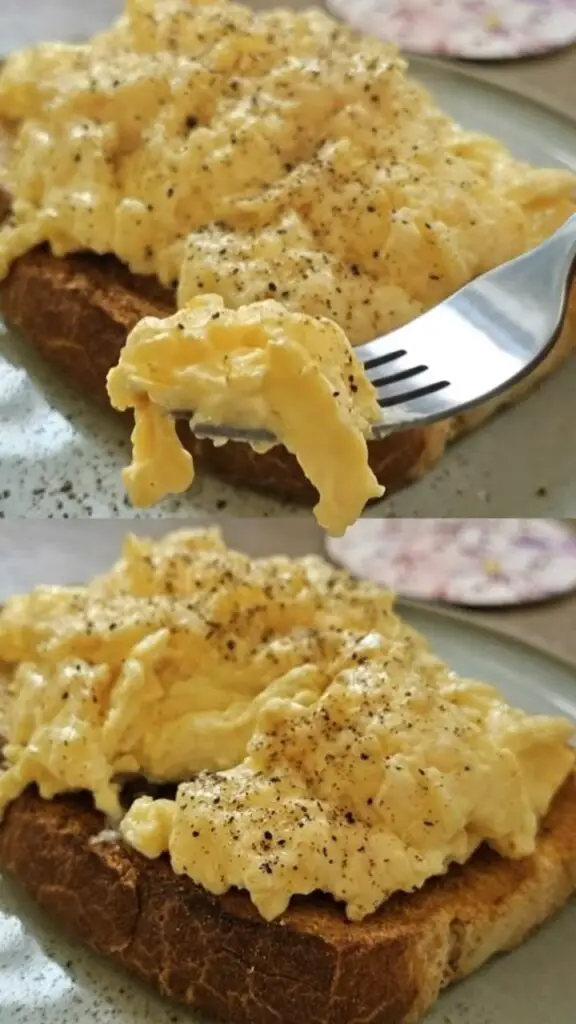
How to Make Perfect Scrambled Eggs Every Time starts with a few simple ingredients, yet the final result feels surprisingly special. With the right heat, a little patience, and steady stirring, you can turn ordinary eggs into a soft, creamy breakfast that tastes rich and comforting. This easy method works for busy mornings, relaxed brunches, or even a quick dinner when you need something satisfying fast. Best of all, beginners can master it on the very first try.
A few years ago, I started making scrambled eggs this way on slow weekend mornings when I wanted something warm but effortless. At first, I cooked them too quickly and ended up with dry, rubbery curds. Then I learned that lower heat changes everything. Now the eggs stay silky, tender, and full of flavor every single time. It became one of those simple kitchen habits that makes breakfast feel calmer and more enjoyable, especially when paired with toast and fresh fruit.
Ingredients
Equipment
Method
- Crack eggs into a bowl, add milk or cream, and whisk until smooth.
- Melt butter in a nonstick skillet over low heat.
- Pour eggs into the skillet and gently stir with a spatula as curds begin to form.
- Continue stirring slowly until eggs are mostly set but still glossy.
- Remove from heat, season with salt and pepper, then serve immediately.
Notes
Why Gentle Cooking Makes All the Difference
Low Heat Creates a Creamy Texture
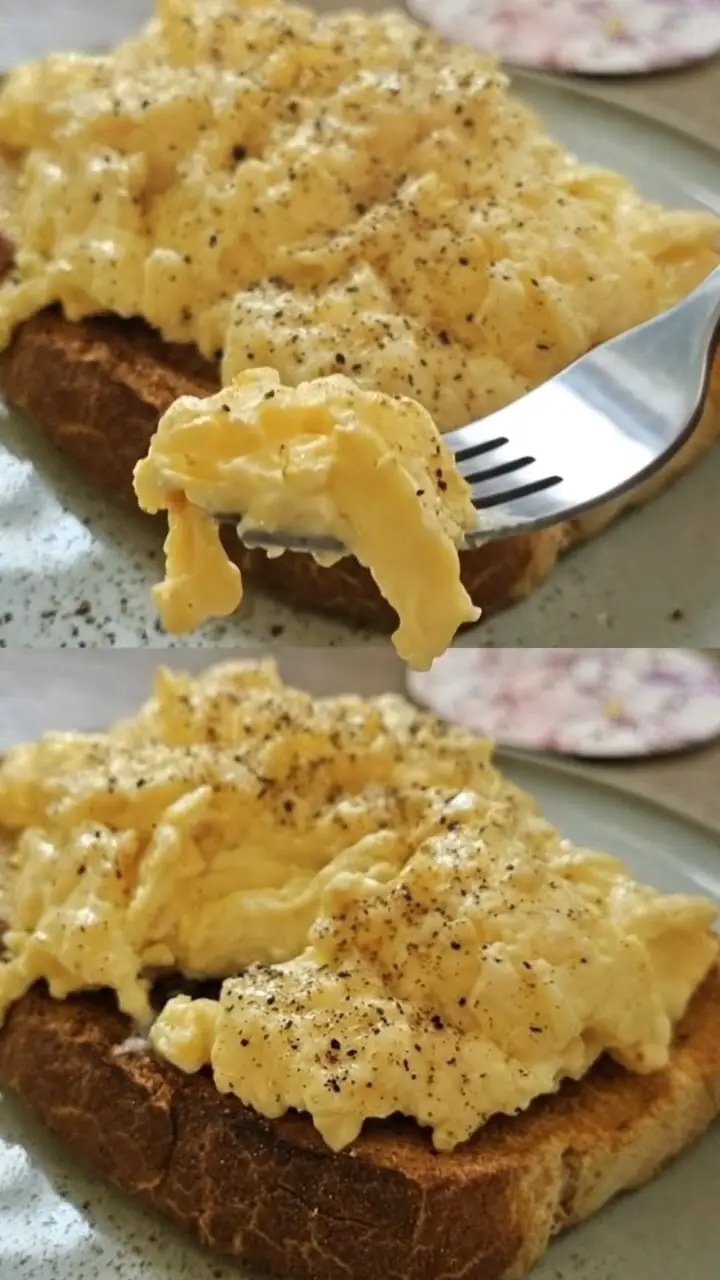
The biggest secret behind How to Make Perfect Scrambled Eggs Every Time is low heat. High heat forces the proteins in the eggs to tighten too quickly, which squeezes out moisture. As a result, the eggs become dry and crumbly. Instead, cook them slowly over low to medium-low heat so the curds stay moist and delicate.
When the eggs cook gently, they form soft folds instead of hard chunks. Therefore, every bite feels smooth and rich. This method also gives you more control, which helps prevent overcooking.
Constant Stirring Builds Soft Curds
Stirring matters just as much as heat. Use a silicone spatula or wooden spoon and move the eggs slowly across the pan as they set. Because of this, the curds stay small, tender, and evenly cooked.
Rather than scrambling aggressively, sweep the eggs from edge to center in long motions. Meanwhile, scrape the bottom of the pan often so nothing sticks. This steady movement helps trap moisture and creates that restaurant-style softness many people love.
Ingredients That Improve Flavor and Texture
Simple Pantry Staples
This recipe uses only a few ingredients, but each one matters.
- 4 large eggs
- 2 tablespoons whole milk or heavy cream
- 1 tablespoon unsalted butter
- Salt, to taste
- Black pepper, to taste
- Optional: chopped chives, parsley, shredded cheddar, or parmesan
The milk or cream adds extra richness. Meanwhile, butter coats the pan and adds flavor without overpowering the eggs.
Easy Flavor Variations
Once you know How to Make Perfect Scrambled Eggs Every Time, it becomes easy to customize.
For a fresh finish, stir in chopped herbs right before serving. On the other hand, cheese adds a creamy, savory touch when folded in at the end. You can also add sautéed mushrooms, spinach, or diced tomatoes for more substance.
Because the base recipe stays neutral, it pairs beautifully with almost any breakfast side.
Step-by-Step Method for Perfect Results
Prep the Egg Mixture
Crack the eggs into a bowl. Add the milk or cream, then whisk until the yolks and whites fully combine. The mixture should look smooth and slightly frothy.
Next, place a nonstick skillet over low heat and melt the butter slowly. Do not let it brown, because browned butter can change the delicate flavor.
Cook Slowly and Remove Early
Pour the eggs into the warm skillet. Let them sit for a few seconds, then begin stirring gently with a spatula.
As soft curds form, keep moving them across the pan. Continue until the eggs look mostly set but still slightly glossy. At this point, remove the pan from the heat immediately. The residual heat will finish the cooking process.
This step is essential because scrambled eggs continue cooking even after leaving the stove. Therefore, stopping early keeps them perfectly soft.
Serving Ideas, FAQs, and Final Tips
Best Ways to Serve
Serve the eggs immediately while they are warm and creamy.
Great serving ideas include:
- Buttered sourdough toast
- Avocado slices
- Crispy breakfast potatoes
- Smoked salmon
- Fresh fruit
- Breakfast wraps
Because the texture changes as they cool, scrambled eggs always taste best right away.
Common Mistakes to Avoid
Avoid these simple mistakes for better results every time:
- Cooking on high heat
- Over-whisking until foamy
- Adding salt too early in large amounts
- Leaving eggs in the hot pan too long
- Using a pan that sticks
Even small adjustments can dramatically improve the final dish.
Frequently Asked Questions
Can I make scrambled eggs without milk?
Yes. The eggs still turn out soft if you use butter and low heat. Milk simply adds a richer texture.
Why are my scrambled eggs watery?
This usually happens when the heat is too high or the eggs are overcooked. Slow cooking helps prevent excess liquid.
When should I add cheese?
Add cheese just before the eggs finish cooking so it melts smoothly without becoming greasy.
Can I use olive oil instead of butter?
Yes, although butter gives a richer flavor and creamier finish.
How do I keep scrambled eggs warm?
Serve them immediately for the best texture. If needed, place them on a warm plate for a few minutes only.
Conclusion
How to Make Perfect Scrambled Eggs Every Time truly comes down to patience, gentle heat, and removing the eggs before they fully set. Although the recipe is simple, the method transforms it into something soft, creamy, and deeply satisfying. Once you try this slow-cooked technique, it quickly becomes your go-to breakfast method for consistently delicious eggs.