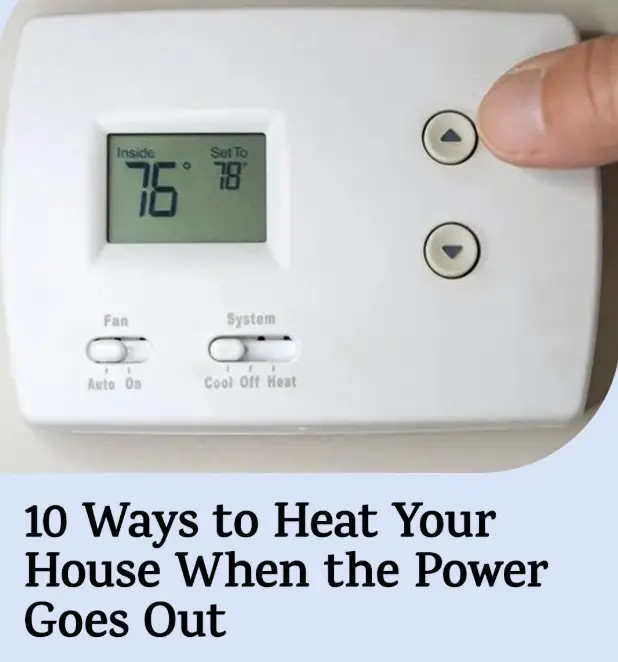
When the power goes out during cold weather, indoor temperatures can drop faster than many people expect—especially overnight. Without electricity, heating systems stop, lights go out, and comfort can quickly turn into discomfort or even danger.
The good news is that with smart preparation and simple strategies, you can stay warm, safe, and comfortable until power is restored. The key is heat retention, body warmth, and safety.
Core Principles of Staying Warm Without Power
Before jumping into specific tips, it helps to understand a few basic rules:
- Heat rises, so protecting your core matters most
- Cold air sinks, so drafts near floors are critical
- Your body generates heat, which must be trapped, not lost
- Safety always comes first—never risk fire or carbon monoxide
Keeping these principles in mind will guide every decision you make.
Immediate Actions: The First 1–2 Hours
1. Close Off Unused Rooms
As soon as the power goes out:
- Shut doors to unused bedrooms, bathrooms, and hallways
- Block door gaps with towels, blankets, or clothing
- Close closets and storage spaces
Reducing the size of the space you occupy makes it much easier to retain warmth.
2. Layer Up Quickly
Clothing is your first line of defense.
- Start with thermal or moisture-wicking base layers
- Add sweaters, fleece, or insulated jackets
- Wear wool socks, a hat, and gloves—even indoors
- Use wool blankets or sleeping bags instead of cotton
Covering your head alone can significantly reduce heat loss.
3. Gather in One Room
Choose one small, interior room if possible.
- Rooms with fewer windows stay warmer
- Bring everyone into the same space
- Shared body heat helps raise the temperature
If you have pets, keep them with you—they add warmth too.
Retaining Heat Inside Your Home
Seal Windows and Doors
Cold air sneaks in through gaps you may not notice.
- Hang blankets or heavy curtains over windows
- Tape plastic sheeting or garbage bags over drafty areas
- Block air leaks near floors and baseboards
Even temporary barriers can make a big difference.
Use Furniture Strategically
- Move mattresses to the floor for sleeping—they trap heat better
- Create a “nest” with cushions and blankets
- Sit or sleep away from exterior walls
Insulation works both ways—use what you already have.
Safe Ways to Generate Heat
Use Body-Powered Heat
- Do light movement like stretching or walking in place
- Eat regularly to keep metabolism active
- Drink warm (not alcoholic) beverages if available
Food and movement help your body create internal heat.
Candles: Use With Extreme Caution
Candles provide light and minimal warmth, but they are a fire risk.
If used:
- Place on stable, fireproof surfaces
- Keep away from fabrics
- Never sleep with candles burning
Never rely on candles as a primary heat source.
What NOT to Do
To stay safe, avoid these dangerous actions:
- Do not use grills, ovens, or camp stoves indoors
- Do not run generators inside the house or garage
- Do not burn charcoal indoors
- Do not use fuel heaters without proper ventilation
These can cause carbon monoxide poisoning, which is silent and deadly.
Overnight Survival Tips
Nighttime is when homes cool fastest.
- Sleep together in one room
- Wear dry, warm clothing to bed
- Use sleeping bags inside blankets for insulation
- Place blankets under you as well as on top
If temperatures become dangerously low and power isn’t restored, consider relocating to a warming center or a friend’s home if it’s safe to do so.
Prepare Before the Next Outage
Preparation makes a huge difference.
- Keep extra blankets and thermal clothing available
- Store battery-powered lanterns and flashlights
- Have non-perishable food ready
- Consider a carbon monoxide detector with battery backup
A little planning can prevent a lot of stress.
The Bottom Line
Staying warm during a power outage is about conserving heat, protecting your body, and avoiding dangerous shortcuts. By closing off space, layering properly, sealing drafts, and prioritizing safety, you can remain comfortable even without electricity.
Cold weather outages are challenging, but with calm thinking and smart choices, they are manageable.