
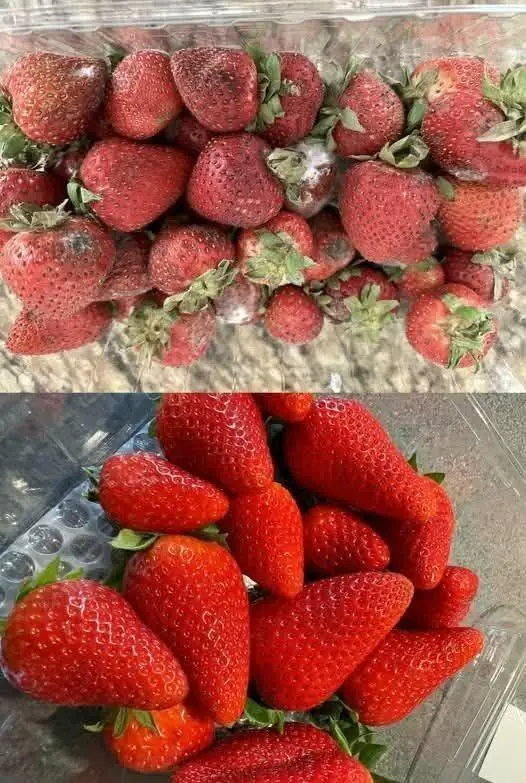
Strawberries are one of the most loved fruits, yet they spoil faster than almost anything else in your kitchen. Learning how to keep strawberries fresh longer can save you money, reduce waste, and let you enjoy their sweet flavor for days instead of hours. With the right storage techniques and a few simple habits, you can extend their freshness significantly without any complicated tools.
I still remember bringing home a fresh basket of strawberries from a weekend market, excited to enjoy them throughout the week. However, by the third day, I noticed soft spots and tiny patches of mold forming. It felt frustrating to throw them away. After trying different storage tricks and learning what actually works, I finally found a routine that keeps strawberries fresh, firm, and delicious much longer. Now, I rarely waste a single berry.
Understanding Why Strawberries Spoil Quickly
High Moisture Content and Fragile Skin
Strawberries contain a large amount of water, which makes them juicy and refreshing. However, that same moisture creates the perfect environment for mold growth. Since the fruit has very thin skin, it bruises easily. Even slight pressure can damage the surface, allowing bacteria and mold to develop faster.
Additionally, once a strawberry gets damaged, it can quickly affect nearby berries. That is why one spoiled berry often leads to several others going bad within a short time. Handling strawberries gently plays a crucial role in preserving their quality.
Sensitivity to Ethylene Gas
Strawberries are highly sensitive to ethylene gas, a natural ripening agent released by fruits like bananas and apples. When strawberries sit near these fruits, they ripen faster and begin to spoil sooner.
Therefore, proper storage placement matters just as much as the container you use. Keeping strawberries away from ethylene-producing fruits can significantly extend their shelf life. This small adjustment often makes a noticeable difference within just a few days.
Best Storage Methods for Maximum Freshness
Keep Strawberries Dry Until Use
Moisture is the biggest enemy when it comes to storing strawberries. Washing them too early introduces excess water, which speeds up mold growth. Instead, always wait until you are ready to eat or use them before rinsing.
If you want to clean them thoroughly, you can briefly soak them in cold water with a splash of white vinegar. This helps remove bacteria and mold spores. Afterward, rinse them well and dry them completely using paper towels before storing or eating.
Use a Breathable Storage Container
Choosing the right container can dramatically improve how long your strawberries last. Avoid sealed plastic bags or airtight containers, as they trap moisture and accelerate spoilage.
Instead, follow these simple steps:
- Line a shallow container with paper towels
- Place strawberries in a single layer when possible
- Use a container with ventilation or leave the lid slightly open
This setup allows air circulation while absorbing excess moisture, keeping your strawberries fresh for longer periods.
Temperature and Placement Matter
Store at the Right Refrigerator Temperature
Refrigeration slows down the growth of mold and bacteria, making it essential for preserving strawberries. Ideally, keep your fridge temperature between 32°F and 36°F (0°C to 2°C).
Place strawberries in the main compartment rather than the crisper drawer if humidity levels there are too high. Lower humidity helps prevent moisture buildup, which is key to maintaining freshness.
Avoid Overcrowding and Pressure
Strawberries should not be piled on top of each other. When they are stacked, the weight causes bruising and traps moisture between layers. This creates the perfect conditions for spoilage.
Instead, arrange them in a single layer whenever possible. If you have a large batch, use multiple containers rather than cramming everything into one. This simple adjustment helps maintain both texture and flavor.
Extra Tips to Extend Shelf Life Even Further
Remove Damaged or Moldy Berries Immediately
Always inspect your strawberries before storing them. If you notice any that are soft, bruised, or moldy, remove them right away. One bad berry can quickly spread mold to the rest.
Make it a habit to check your container daily. This quick step can significantly extend the life of the remaining strawberries and prevent unnecessary waste.
Try the Vinegar Bath Method
For longer storage, the vinegar wash method works exceptionally well. It helps kill mold spores before they have a chance to grow.
Here’s how to do it:
- Mix one part white vinegar with three parts water
- Soak strawberries for 2–3 minutes
- Rinse thoroughly with cold water
- Dry completely using paper towels
- Store in a lined container
Although it may sound unusual, this method does not leave a vinegar taste when done correctly. Instead, it helps keep strawberries fresh for up to a week or more.
Frequently Asked Questions
How long do strawberries last in the fridge?
Strawberries typically last 3 to 7 days in the refrigerator when stored properly. Using the right techniques can extend their freshness closer to a full week.
Should I store strawberries with the stems on?
Yes, keep the stems on until you are ready to eat them. Removing the stems exposes the inner flesh and speeds up spoilage.
Can I freeze strawberries for long-term storage?
Absolutely. Wash, dry, and hull the strawberries, then freeze them in a single layer before transferring to a bag. They can last up to 6 months in the freezer.
Is it safe to eat slightly soft strawberries?
Yes, as long as there is no mold. Slightly soft strawberries are still safe and can be used in smoothies, baking, or sauces.
What is the best container for storing strawberries?
A shallow, breathable container lined with paper towels works best. It allows airflow while absorbing excess moisture.
Conclusion
Keeping strawberries fresh longer does not require complicated tools or expensive products. With a few simple adjustments, such as keeping them dry, using breathable containers, and storing them at the right temperature, you can enjoy their sweetness for days beyond their usual shelf life.
By handling strawberries gently, avoiding excess moisture, and checking them regularly, you will reduce waste and always have fresh, delicious berries ready to enjoy. These small habits make a big difference and help you get the most out of every batch.