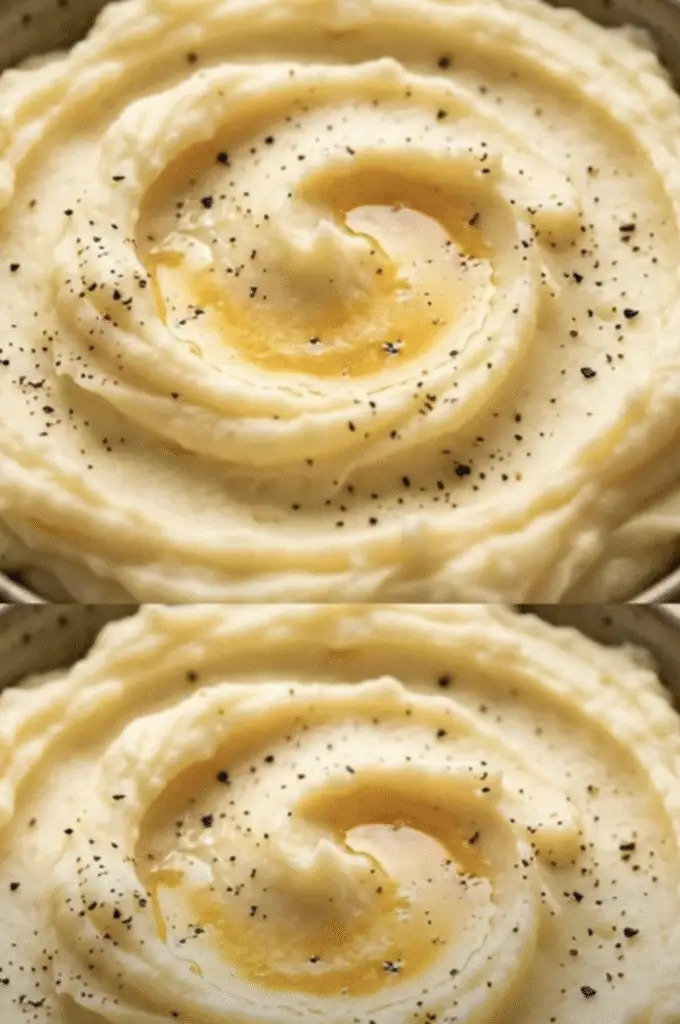
Grandma’s Mashed Potatoes deliver the kind of silky, rich comfort that belongs on every family table. Made with simple ingredients and a gentle cooking method, these potatoes become fluffy, creamy, and deeply satisfying without ever turning watery or gluey. The secret lies in warming the milk and butter before folding them into perfectly cooked potatoes.
Many home cooks rely on Grandma’s Mashed Potatoes for holiday meals, Sunday dinners, and everyday comfort cooking. Although the ingredient list stays wonderfully short, the careful technique transforms humble potatoes into a dish that feels special and nostalgic.
With just potatoes, milk, butter, and salt, this recipe proves that the most memorable side dishes often come from the simplest ingredients prepared with care.
I remember watching a family member prepare mashed potatoes for a big gathering one winter afternoon. The potatoes simmered quietly on the stove while butter melted into warm milk nearby. The kitchen smelled cozy and familiar. When the potatoes were finally mashed and folded with the warm milk mixture, the texture turned perfectly smooth and fluffy. Everyone gathered around the table quickly, and the bowl of mashed potatoes emptied faster than anything else on the plate.
Why Grandma’s Mashed Potatoes Taste So Good
Simple Ingredients Done Right
Grandma’s Mashed Potatoes succeed because each ingredient serves a clear purpose. Potatoes provide the soft, fluffy base, while butter adds richness and milk creates the smooth, creamy texture.
Salt enhances the natural flavor of the potatoes without overpowering them. When combined with the gentle mashing technique, the result becomes a perfectly balanced side dish.
Unlike complicated recipes with many additions, this classic approach highlights the natural flavor of the potatoes themselves.
Because the ingredients are so simple, technique becomes the most important factor in achieving the perfect texture.
The Classic Milk-Steeping Method
One of the key secrets behind Grandma’s Mashed Potatoes is warming the milk and butter together before adding them to the potatoes.
Cold milk can cause mashed potatoes to stiffen and lose their smooth consistency. By warming the milk and butter first, the mixture blends more easily with the potatoes.
This technique also distributes the butter evenly throughout the dish, ensuring every bite tastes creamy and rich.
As a result, the potatoes stay light and fluffy instead of dense or sticky.
Choosing the Best Potatoes
Russet Potatoes for Fluffiness
Russet potatoes are a popular choice for mashed potatoes because of their high starch content. This type of potato breaks down easily during cooking, which creates an airy, fluffy texture.
When mashed gently, Russets produce light, cloud-like potatoes that absorb butter and milk beautifully.
However, they should be mashed carefully to avoid releasing too much starch, which can lead to a gluey texture.
Yukon Gold for Creaminess
Yukon Gold potatoes offer a naturally creamy texture and buttery flavor.
Because they contain slightly less starch than Russets, they produce a denser but richer mashed potato.
Many cooks enjoy combining Russet and Yukon Gold potatoes to achieve the perfect balance of fluffiness and creaminess.
Regardless of the variety you choose, peeling the potatoes and cutting them into evenly sized chunks ensures consistent cooking.
Step-by-Step Guide to Perfect Mashed Potatoes
Boiling the Potatoes Properly
Start by placing peeled potato chunks into a large pot and covering them with cold, salted water.
Beginning with cold water allows the potatoes to cook evenly from the inside out. If placed directly into boiling water, the outer layers may overcook before the centers soften.
Bring the pot to a boil, then reduce to a gentle boil and cook the potatoes for about 15 to 20 minutes.
The potatoes are ready when a fork slides easily into the center.
Drain the potatoes thoroughly and return them to the hot pot for one to two minutes. This brief step allows excess moisture to evaporate, which helps prevent watery mashed potatoes.
Mashing and Adding the Milk Mixture
While the potatoes finish cooking, gently warm the milk and butter together in a small saucepan until the butter melts completely.
Avoid boiling the milk mixture. It should simply be warm enough to blend smoothly with the potatoes.
Mash the potatoes using a potato masher or ricer until they reach a smooth consistency.
Gradually pour in the warm milk and butter mixture while folding gently. Continue adding until the potatoes become silky and fluffy.
Season with salt to taste and add optional spices if desired.
Optional Flavor Enhancements
Subtle Seasonings
Although the traditional version of Grandma’s Mashed Potatoes is beautifully simple, a few subtle additions can deepen the flavor.
A small pinch of nutmeg adds gentle warmth that complements the creamy potatoes.
Freshly cracked black pepper provides a light contrast to the buttery richness.
Some cooks also enjoy stirring in a small amount of grated Parmesan cheese for extra savory depth.
These additions should remain subtle so the natural potato flavor still shines.
Serving Suggestions
Mashed potatoes pair well with a wide variety of main dishes.
They complement roasted meats, grilled chicken, and hearty stews particularly well. Their creamy texture also balances rich gravies and sauces.
For an elegant presentation, transfer the mashed potatoes to a serving bowl and place a small pat of butter on top just before serving.
The butter slowly melts into the potatoes, creating a glossy finish that looks as comforting as it tastes.
Tips for the Best Texture
Avoid Overmixing
Overmixing mashed potatoes releases excess starch, which can turn the texture sticky or gluey.
Using a potato masher or ricer helps maintain the ideal fluffy consistency.
Electric mixers can work, but they should be used very carefully and only for a short time.
Reheating Without Losing Creaminess
Mashed potatoes often taste even better the next day as the flavors continue to develop.
When reheating, add a splash of milk and warm the potatoes gently on the stove or in the oven.
Stir slowly to restore their creamy texture without overworking the potatoes.
Frequently Asked Questions
Can I make mashed potatoes ahead of time?
Yes. Prepare them earlier in the day and reheat gently before serving.
Why start potatoes in cold water?
Cold water allows the potatoes to cook evenly from the center outward.
What tool works best for mashing?
A potato masher or ricer produces the smoothest texture.
Can I add cream instead of milk?
Yes. Heavy cream will create an even richer mashed potato.
How long do leftovers last?
Stored in an airtight container, mashed potatoes remain fresh in the refrigerator for up to three days.
Conclusion
Grandma’s Mashed Potatoes remind us that great cooking often relies on simple ingredients and thoughtful technique. With just potatoes, milk, butter, and salt, this recipe creates a side dish that feels warm, nostalgic, and satisfying.
By starting the potatoes in cold water, warming the milk and butter, and mashing gently, you achieve a silky texture that never turns watery or gluey.
Whether served at a holiday feast or a weeknight dinner, these mashed potatoes bring the same comforting flavor that has made them a timeless family favorite.