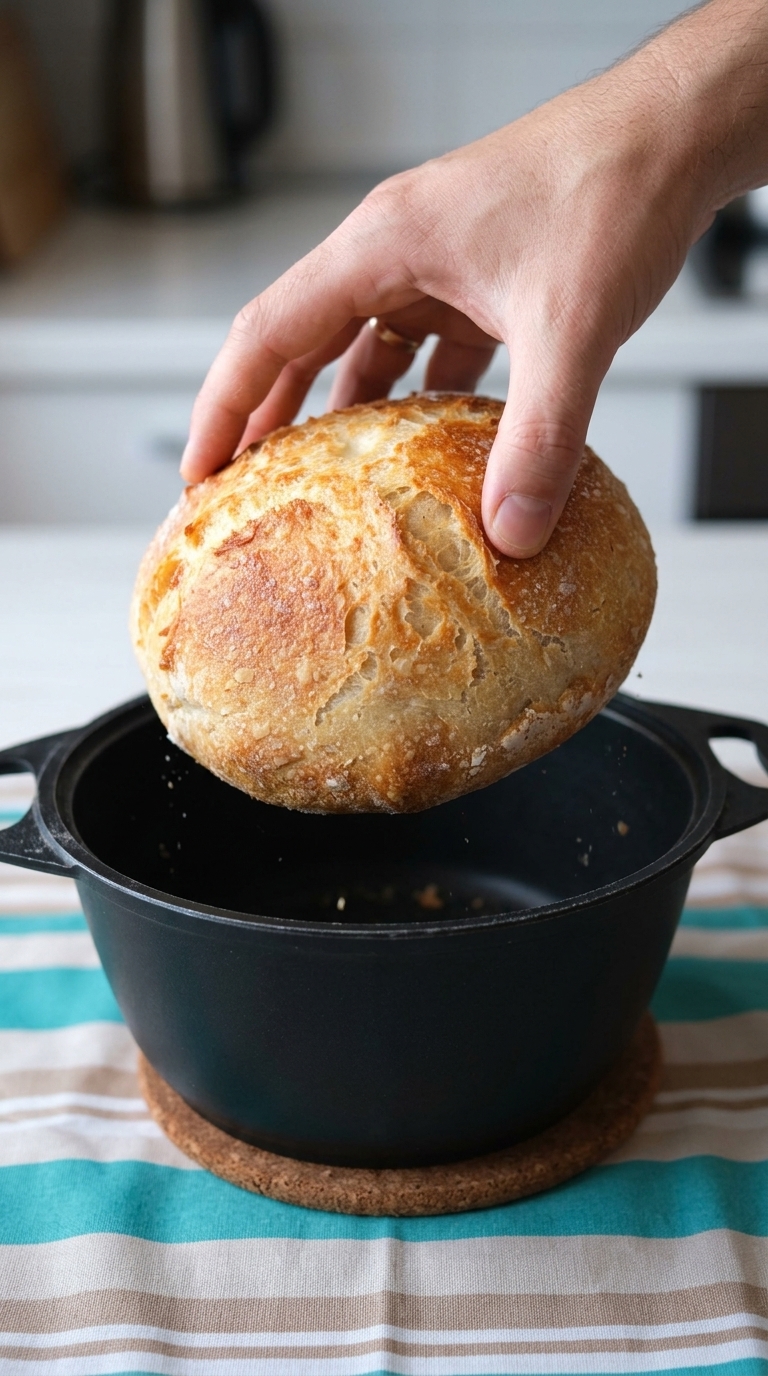
Fluffy Turkish Bread is one of those comforting homemade breads that instantly makes any meal feel warmer and more satisfying. Soft, pillowy, and lightly golden, it’s the kind of bread that works just as well with soups as it does with grilled meats, dips, or even a simple drizzle of olive oil. The beauty of Fluffy Turkish Bread lies in its simplicity and the way basic pantry ingredients transform into something that tastes bakery-level special right from your own oven.
This bread is inspired by traditional Turkish bazlama and pide-style flatbreads, known for their airy texture and gentle chew. Even though it looks impressive, it’s surprisingly easy to prepare, making it perfect for beginner bakers and busy home cooks alike. Once you pull a warm batch from the oven, it’s hard not to tear into it immediately while it’s still steaming.
I still remember the first time I had bread like this at a small family gathering hosted by a neighbor who had moved from overseas. The kitchen was warm, and the air carried the smell of yeast and milk rising together in the oven. She handed me a piece straight off the tray, too hot to hold for long, and told me that good bread doesn’t need perfection—just patience. That moment stuck with me. The softness, the simplicity, and the way everyone reached for another piece without thinking made it feel like more than just food. It felt like connection. Now, every time I bake Fluffy Turkish Bread, it brings me right back to that table, surrounded by laughter and the comfort of something made by hand.
The Foundation of Soft Turkish Bread Dough
Activating yeast for a light texture
The first step in creating Fluffy Turkish Bread is waking up the yeast properly. Warm milk and a small amount of sugar provide the perfect environment for activation. As the mixture sits, the yeast begins to foam, which signals that it is alive and ready to work. This step is essential because it determines how well the bread will rise later.
If the liquid is too hot, the yeast can die, and if it’s too cold, it won’t activate fully. The ideal temperature feels just slightly warm to the touch. Within minutes, a light foam forms on the surface, showing that the fermentation process has begun. This early stage is what creates the soft, airy structure that defines the bread.
Water is added alongside milk to balance richness and hydration. The combination ensures that the dough is soft but still strong enough to hold its shape during baking.
Building a soft, enriched dough
Once the yeast mixture is ready, olive oil and salt are added to build flavor and texture. The oil helps keep the crumb tender, while also giving the bread a subtle richness that enhances every bite.
Flour is then added gradually to avoid lumps and ensure even hydration. As the dough forms, it starts out shaggy and slightly sticky, which is completely normal. This stage is about bringing everything together rather than perfecting texture.
The dough should feel soft and slightly elastic, but not overly dry. It will continue to develop structure during kneading, which is where the real transformation begins.
Kneading and Rising for Pillowy Bread
Developing elasticity through kneading
Kneading is what turns a rough dough into smooth, stretchy bread dough. As you work it on a floured surface, gluten strands begin to form, creating structure and elasticity. This process usually takes around 8–10 minutes by hand.
The dough should gradually become softer and more cohesive. When pressed lightly, it should spring back slightly. That elasticity is what allows Fluffy Turkish Bread to puff beautifully in the oven.
If using a stand mixer, the same result can be achieved in less time, but hand-kneading gives better control over texture. Either way, the goal is the same: a smooth dough that feels alive and responsive.
The importance of a proper rise
Once kneaded, the dough rests in a lightly oiled bowl covered with a cloth. This resting period allows fermentation to continue, producing carbon dioxide that expands the dough.
Over the course of about an hour, the dough doubles in size. This is when the airy texture begins to develop. The environment matters here—warm, draft-free spaces work best.
The slow rise not only improves texture but also deepens flavor. As the yeast works, it creates subtle, slightly tangy notes that make the bread more complex and satisfying.
Shaping and Baking for Signature Puff
Shaping the dough into flatbreads
After rising, the dough is gently deflated to release excess air. It is then divided into equal portions and shaped into rounds or ovals. The key is to handle the dough gently so the air pockets remain intact.
Flattening should be even but not overly thin. These air pockets are what allow the bread to puff dramatically in the oven. A light touch preserves the structure that was built during rising.
At this stage, optional toppings like egg wash or seeds can be added. Sesame or nigella seeds are traditional and add both flavor and texture.
High-heat baking for golden puff
The oven must be fully preheated to a high temperature before baking. This sudden burst of heat is what causes the bread to rise quickly and form its signature puff.
Within minutes of entering the oven, the dough begins to balloon. Steam builds inside, separating layers and creating a soft interior. The outside becomes lightly golden while remaining tender.
The baking process is short, which helps preserve moisture. Overbaking can dry the bread, so timing is important. Once removed, the bread should be soft, warm, and slightly airy when pressed.
Serving, Storing, and Flavor Variations
How to serve Fluffy Turkish Bread
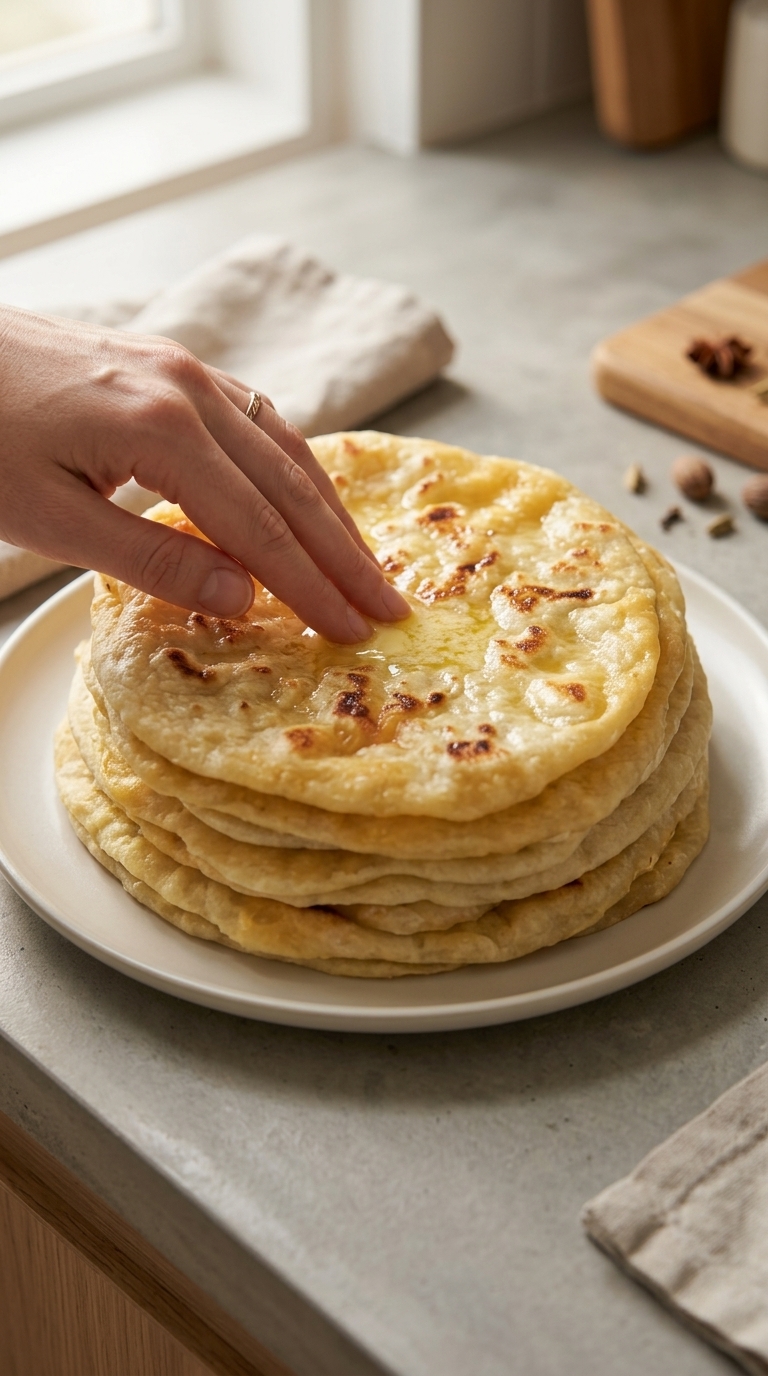
Fluffy Turkish Bread works beautifully with almost any meal. It can be served alongside soups, stews, grilled meats, or fresh salads. Its soft texture makes it perfect for scooping dips or soaking up sauces.
For breakfast, it pairs well with honey, butter, or jam. For dinner, it complements rich dishes and adds balance to heavier flavors. Its versatility is one of the reasons it remains a staple in many households.
Tearing it warm from the oven is one of the simplest pleasures. The steam escaping as you break it open is part of its charm.
Storage and creative variations
If stored properly in an airtight container, the bread stays soft for a couple of days. Reheating it briefly brings back its fresh-baked texture.
For variations, olive oil can be infused with garlic or herbs before brushing onto the dough. This adds subtle flavor without changing the structure.
You can also experiment with whole wheat flour for a heartier version, though it may slightly reduce the fluffiness. Another option is adding yogurt to the dough for extra tenderness.
FAQ
What is Fluffy Turkish Bread similar to?
It is similar to bazlama or pide, both traditional Turkish flatbreads known for their soft, airy texture.
Can I make Fluffy Turkish Bread without yeast?
Yeast is essential for the fluffy texture, so substitutes will not produce the same result.
Why is my bread not puffing in the oven?
The oven may not be hot enough, or the dough may have been rolled too thin.
Can I freeze Fluffy Turkish Bread?
Yes, it freezes well when wrapped tightly and reheats easily in the oven.
What flour works best for this recipe?
All-purpose flour works best for a soft, balanced texture.
Ingredients
Equipment
Method
- Activate yeast in warm milk, water, sugar, and yeast until foamy.
- Add olive oil, salt, and flour gradually to form dough.
- Knead dough for 8–10 minutes until smooth and elastic.
- Let dough rise in a warm place until doubled in size.
- Shape into rounds or ovals and add optional toppings.
- Bake at 425°F (220°C) for 10–12 minutes until puffed and golden.
Notes
Conclusion
Fluffy Turkish Bread is a simple yet rewarding homemade bread that transforms basic ingredients into something warm, soft, and deeply satisfying. From its gentle rise to its golden puff in the oven, every step builds comfort and flavor. Whether served with savory meals or enjoyed on its own, it brings a sense of homemade warmth to any table and quickly becomes a recipe worth repeating.