
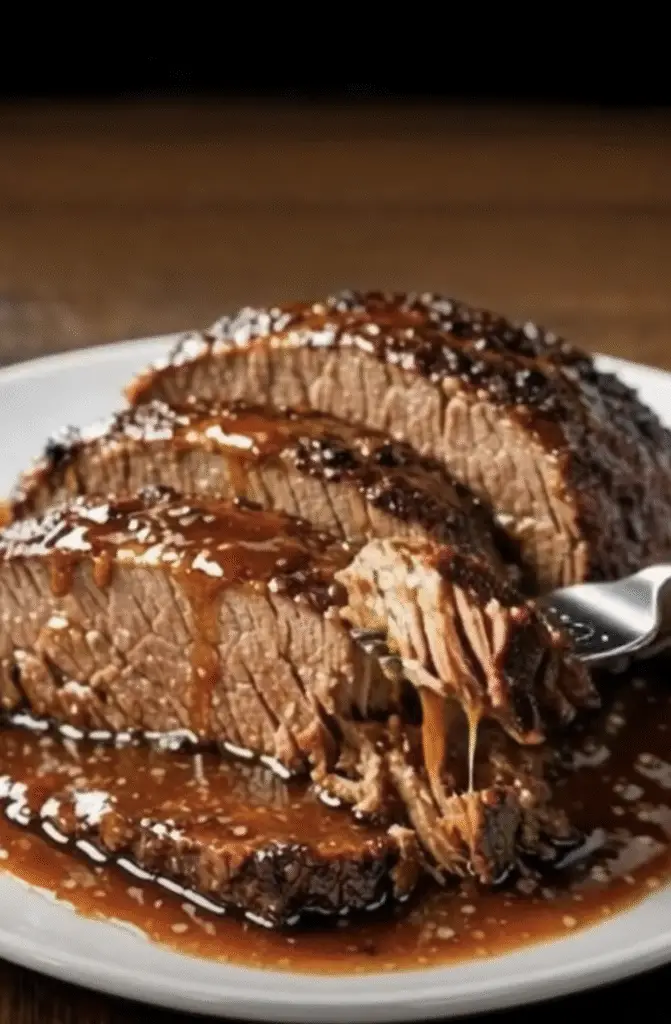
Envelope Method Roast creates one of the easiest and most flavorful oven-roasted beef dinners you can make. This classic cooking technique wraps a seasoned roast and vegetables tightly in aluminum foil so the meat cooks slowly in its own steam and juices. As the roast cooks, the sealed foil packet traps moisture and flavor, producing incredibly tender beef alongside perfectly cooked carrots, potatoes, and onions.
This method works especially well for chuck or rump roast because these cuts benefit from slow, moist cooking. Instead of drying out, the beef gradually softens while absorbing the savory seasonings and natural vegetable juices.
Even better, the preparation remains simple. Once everything is wrapped in foil and placed in the oven, the roast cooks quietly for hours while your kitchen fills with the comforting aroma of a traditional home-cooked meal.
A few years ago, I learned this technique from a neighbor who insisted it was the easiest way to make roast beef without worrying about complicated steps. I remember watching her wrap the roast tightly in foil like a package and slide it into the oven. Hours later, she opened the foil and a cloud of savory steam filled the kitchen. The beef pulled apart effortlessly, and the vegetables had soaked up all the flavorful juices. Since that day, this method has become my favorite way to cook a dependable roast dinner.
Why the Envelope Method Roast Works So Well
The Foil Envelope Locks in Moisture
The secret behind Envelope Method Roast is the foil packet. By sealing the roast tightly in aluminum foil, you create a small cooking chamber inside the oven.
As the beef heats, it releases natural juices. Meanwhile, the broth at the bottom of the packet produces steam. Because the foil prevents moisture from escaping, that steam circulates around the roast continuously.
This gentle steaming and roasting combination keeps the meat incredibly moist. At the same time, the vegetables soften slowly and absorb the flavorful juices.
Unlike open roasting methods, the envelope method protects the beef from direct dry heat. This ensures the roast remains tender rather than tough.
Perfect for Tougher Cuts of Beef
Chuck roast and rump roast contain connective tissue that requires long cooking to become tender. When cooked too quickly, these cuts can feel chewy.
However, slow roasting inside a sealed foil packet allows the connective tissue to break down gradually. As this happens, the meat becomes soft enough to shred easily with a fork.
Because of this process, even inexpensive cuts of beef turn into rich, comforting meals when cooked with this method.
Another benefit is that the vegetables cook at the same time as the meat. The carrots, potatoes, and onions soak up the flavorful broth and beef juices, creating a complete meal in one packet.
Ingredients and Equipment for Envelope Method Roast
Main Ingredients
This recipe uses simple ingredients that combine to create deep, savory flavor.
Beef Roast (Chuck or Rump)
These cuts work best because they contain enough marbling and connective tissue to stay moist during slow roasting.
Olive Oil
A light coating of oil helps the seasoning stick to the meat and encourages gentle browning.
Salt and Black Pepper
These basic seasonings highlight the natural flavor of the beef.
Garlic Powder and Onion Powder
Both ingredients add savory depth without requiring fresh chopping.
Dried Thyme or Rosemary (Optional)
These herbs complement beef beautifully and add an earthy aroma.
Carrots
Chunky carrot pieces soften slowly while adding sweetness to the dish.
Potatoes
Potatoes absorb the beef juices and provide a hearty base for the meal.
Onion
Sliced onion adds natural sweetness and flavor to the roasting packet.
Beef Broth or Water
A small amount of liquid creates steam inside the foil packet and forms a simple pan sauce.
Kitchen Equipment
Envelope Method Roast requires only a few basic kitchen tools.
Heavy-Duty Aluminum Foil
The foil must be large and strong enough to wrap the roast completely and seal tightly.
Large Baking Sheet
Placing the foil packet on a baking sheet provides support and prevents spills.
Sharp Knife
Used for slicing the vegetables and cutting the roast after cooking.
Tongs or Forks
Helpful for lifting and shredding the tender beef.
With such minimal equipment, this recipe remains easy and accessible for beginners.
Ingredients
Equipment
Method
- Preheat the oven to 325°F (165°C).
- Rub the roast with olive oil and season with salt, pepper, garlic powder, onion powder, and herbs if using.
- Place carrots, potatoes, and sliced onion in the center of a large sheet of aluminum foil.
- Place the seasoned roast on top of the vegetables.
- Pour the beef broth or water around the roast without washing off the seasoning.
- Bring the foil edges together and seal tightly to form a closed envelope.
- Place the foil packet on a baking sheet and roast for 3–4 hours until the meat is fork tender.
- Open the foil carefully, allow the roast to rest for 10–15 minutes, then slice or shred and serve with vegetables and juices.
Notes
Step-by-Step Cooking Instructions
Preparing the Roast
Start by preheating your oven to 325°F (165°C). This moderate temperature allows the beef to cook slowly and evenly.
Next, pat the roast dry with paper towels. Drying the surface helps the oil and seasonings stick better.
Rub the entire roast with olive oil. Then sprinkle the salt, black pepper, garlic powder, onion powder, and optional herbs evenly over the meat.
Gently press the seasoning into the surface so it adheres well.
Preparing the Vegetable Base
Lay out a large sheet of heavy-duty aluminum foil on the counter. Make sure the foil is long enough to wrap the roast completely.
Place the carrot chunks, potato pieces, and sliced onion in the center of the foil. Spread them slightly so they create a bed for the roast.
This vegetable layer prevents the meat from sitting directly on the foil while also allowing the vegetables to cook in the flavorful juices.
Creating the Foil Envelope
Place the seasoned roast directly on top of the vegetables.
Next, pour the beef broth or water around the roast. Try to pour it beside the meat rather than directly on top so the seasoning stays intact.
Bring the foil edges upward and fold them together to create a sealed packet. Continue folding the edges tightly so steam cannot escape during cooking.
This sealed packet forms the “envelope” that gives the method its name.
Place the wrapped roast on a baking sheet for support.
Cooking, Resting, and Serving
Slow Roasting the Beef
Transfer the baking sheet with the foil packet into the preheated oven.
Roast the beef for approximately 3 to 4 hours. Cooking time depends slightly on the size of the roast and your oven.
During this time, the roast slowly tenderizes while the vegetables soften and absorb the savory juices.
You will know the roast is ready when the meat pulls apart easily with a fork.
Resting the Roast
Once the roast finishes cooking, carefully remove the baking sheet from the oven.
Open the foil packet slowly because hot steam will escape. Allow the roast to rest inside the opened foil for about 10 to 15 minutes.
Resting allows the juices to redistribute throughout the meat. This step keeps the beef moist and easier to slice.
Serving the Meal
After resting, transfer the roast to a cutting board.
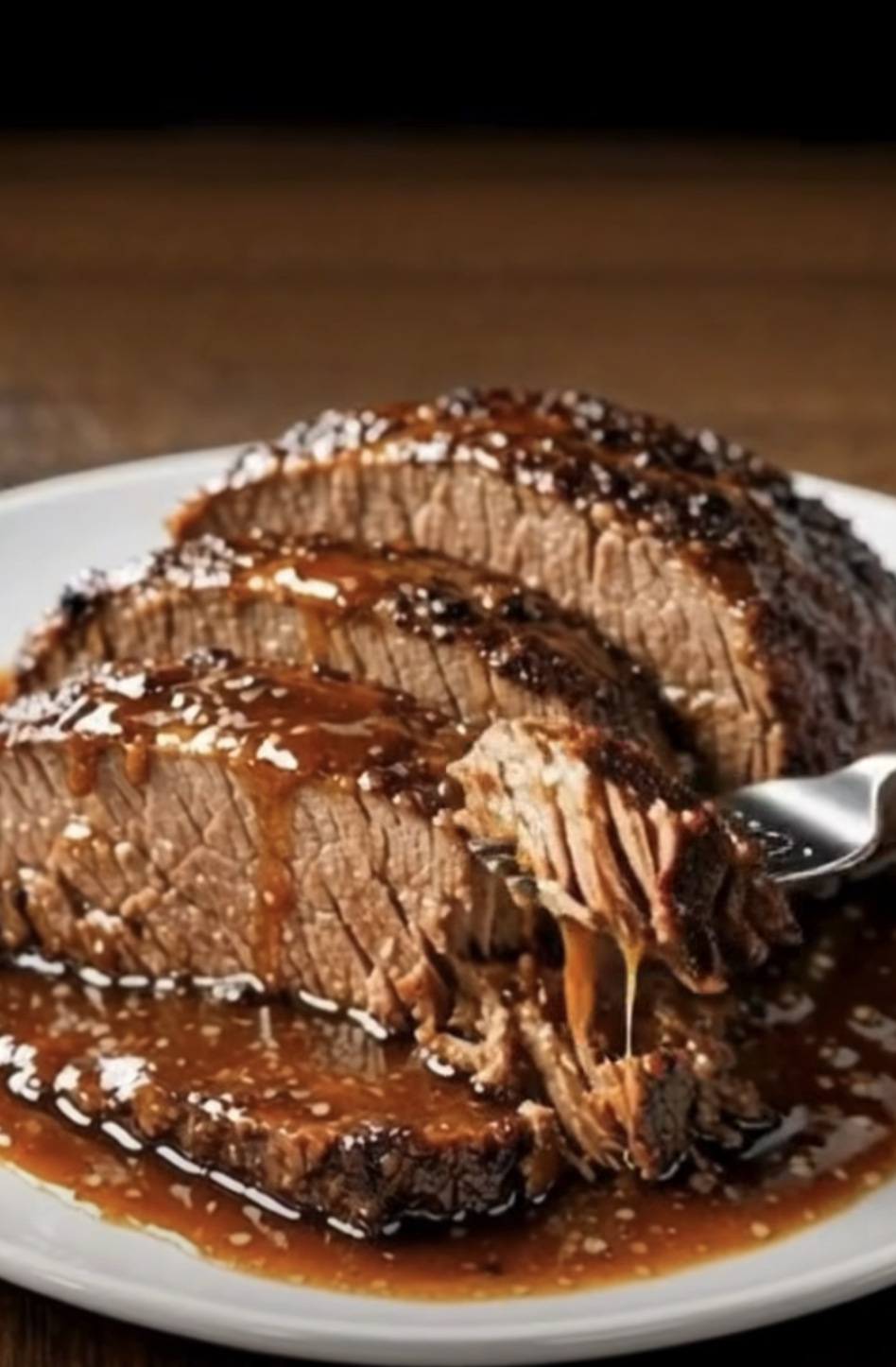
Slice the meat into thick pieces or shred it with forks for a more rustic presentation.
Serve the beef alongside the roasted carrots, potatoes, and onions. Spoon the flavorful juices from the foil packet over the meat and vegetables for extra flavor.
Because everything cooks together in one packet, this meal delivers a full comforting dinner with minimal effort.
Flavor Variations and Serving Ideas
Add Extra Vegetables
Although the classic version includes carrots, potatoes, and onion, you can easily expand the vegetable mix.
Parsnips add sweetness and a slightly nutty flavor.
Celery contributes aromatic depth and balances the richness of the beef.
Mushrooms provide an earthy taste that complements the broth beautifully.
Adding these vegetables turns the roast into an even heartier meal.
Create a Simple Gravy
If you prefer a thicker sauce, pour the cooking juices from the foil packet into a small saucepan.
Bring the liquid to a gentle simmer. Then stir in a cornstarch slurry or flour mixture until the sauce thickens.
This quick gravy pairs wonderfully with both the beef and the vegetables.
Serve with Classic Sides
While the roast already includes vegetables, a few traditional sides complement it perfectly.
Buttery dinner rolls soak up the savory juices nicely.
A crisp green salad adds freshness to balance the rich roast.
Steamed green beans or peas add color and texture to the plate.
These simple additions turn the meal into a full traditional roast dinner.
Frequently Asked Questions
Can I use a different cut of beef?
Yes. Chuck roast and rump roast work best, but brisket or bottom round roast can also cook well using the envelope method.
Do I need heavy-duty foil?
Heavy-duty foil works best because it resists tearing and holds the seal tightly. If using regular foil, consider double wrapping.
Can I cook this at a higher temperature?
Lower temperatures produce the most tender results. Cooking at higher temperatures may toughen the meat.
How do I know when the roast is done?
The roast is ready when the meat becomes fork-tender and easily pulls apart.
Can leftovers be stored?
Yes. Store leftover roast and vegetables in an airtight container in the refrigerator for up to four days.
Conclusion
Envelope Method Roast transforms a simple beef roast into an incredibly tender and flavorful meal using a straightforward cooking technique. By sealing the roast and vegetables inside aluminum foil, the oven creates a moist environment that gently tenderizes the meat while concentrating the savory flavors.
Because the method requires minimal preparation and almost no monitoring, it works perfectly for relaxed weekend dinners or comforting family meals.
With juicy shredded beef, soft roasted vegetables, and rich natural juices, this classic foil-wrapped roast proves that simple cooking methods often produce the most satisfying results.