
Early Menopause: 10 Signs (and More) to Look Out For is an important topic that many women don’t recognize until symptoms begin to interfere with daily life. While menopause is a natural stage, experiencing it before the age of 45 can feel unexpected and confusing. Many of the early signs are subtle and often mistaken for stress, fatigue, or emotional strain.
Understanding these symptoms early allows you to take control of your health and seek the right support. Because hormonal changes affect both the body and mind, recognizing the signals can make a significant difference in how you manage this transition.
I remember a friend who began experiencing constant fatigue and mood swings in her late 30s. At first, she thought it was just work stress. However, after months of confusion, she discovered it was early menopause. That realization helped her finally understand her body and take the right steps forward.
Understanding Early Menopause
What Is Early Menopause?
Early menopause occurs when ovarian function declines before the age of 45. This leads to reduced estrogen levels, which affect many systems in the body.
Unlike natural menopause that typically happens later in life, early menopause can feel abrupt. Because of this, symptoms may seem more intense or unexpected.
In many cases, the transition begins with perimenopause, where hormonal fluctuations start to disrupt normal cycles.
Why It Happens
Several factors can contribute to early menopause, including genetics, medical treatments, or underlying health conditions.
Family history plays a strong role. If close relatives experienced early menopause, the likelihood increases.
Additionally, lifestyle factors and certain medical interventions can also influence timing.
The First Signs You Shouldn’t Ignore
1. Irregular Menstrual Cycles
One of the earliest signs is a change in menstrual patterns. Periods may become closer together, further apart, or unpredictable.
This irregularity reflects changes in ovulation and hormone levels. Because of this, it is often the first noticeable signal.
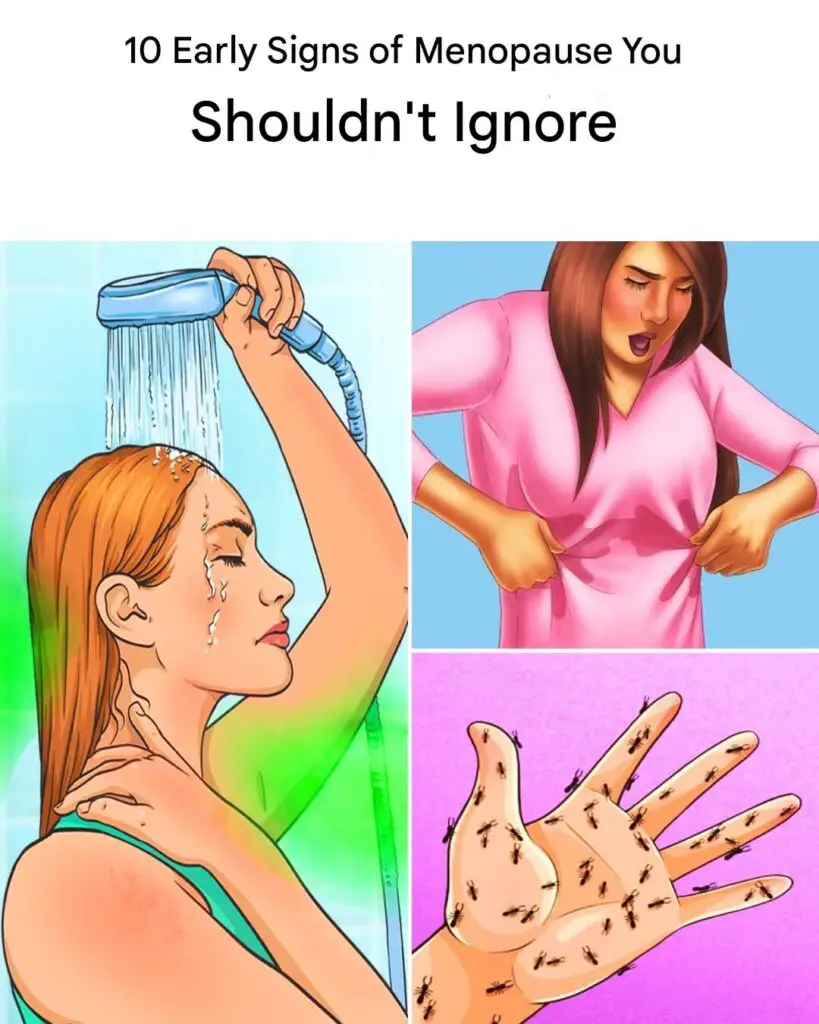
2. Hot Flashes and Night Sweats
Sudden waves of heat, especially in the upper body, are common. These episodes may occur during the day or disrupt sleep at night.
As a result, they can affect comfort and overall rest quality.
Physical Symptoms That May Appear
3. Persistent Fatigue
Many women report feeling constantly tired, even after a full night’s sleep. Hormonal changes can affect energy levels and overall vitality.
This fatigue may feel different from normal tiredness and can interfere with daily activities.
4. Sleep Disturbances
Difficulty falling asleep or staying asleep is another common symptom. Night sweats can also contribute to disrupted rest.
Because of this, sleep quality often declines during this stage.
Emotional and Cognitive Changes
5. Mood Swings
Hormonal fluctuations can affect emotional balance. You may experience irritability, anxiety, or sudden mood changes.
These shifts can feel overwhelming, especially when they appear without a clear cause.
6. Memory and Concentration Issues
Some women notice difficulty focusing or remembering things. This is sometimes referred to as “brain fog.”
Although it can be frustrating, it is a common effect of hormonal changes.
Additional Signs to Watch For
7. Decreased Libido
Changes in hormone levels can affect sexual desire. This is a natural response but can sometimes impact relationships.
8. Vaginal Dryness
Lower estrogen levels can lead to dryness and discomfort. This may cause irritation or discomfort during daily activities.
9. Changes in Skin and Hair
You may notice dryness in your skin or thinning hair. These changes reflect shifts in hormone production.
10. Weight Changes
Some women experience changes in weight distribution, especially around the abdomen.
Because metabolism can slow down, maintaining weight may become more challenging.
When to Seek Medical Advice
Recognizing When It’s More Than Stress
Because many symptoms overlap with stress or other conditions, it’s important to pay attention to patterns.
If multiple symptoms appear together or persist over time, consulting a healthcare professional is recommended.
Early diagnosis can help you manage symptoms more effectively.
Treatment and Support Options
There are various ways to manage early menopause, including lifestyle changes, nutritional support, and medical treatments.
Your doctor can guide you toward options that suit your needs and help you maintain your quality of life.
Frequently Asked Questions
1. What age is considered early menopause?
Before the age of 45.
2. Can stress cause early menopause?
Stress alone does not cause it but can worsen symptoms.
3. Is early menopause reversible?
In most cases, it is not reversible, but symptoms can be managed.
4. Can lifestyle changes help?
Yes, healthy habits can reduce symptom severity.
5. Should I see a doctor for irregular periods?
Yes, especially if changes are persistent.
Conclusion
Early Menopause: 10 Signs (and More) to Look Out For highlights how important it is to listen to your body. While the symptoms can feel confusing at first, recognizing them early allows you to take control of your health and well-being.
Every woman’s experience is different, and there is no single path through this stage. However, understanding the signs can help you navigate it with confidence and clarity.
By staying informed and seeking support when needed, you can manage early menopause in a way that supports both your physical and emotional health.