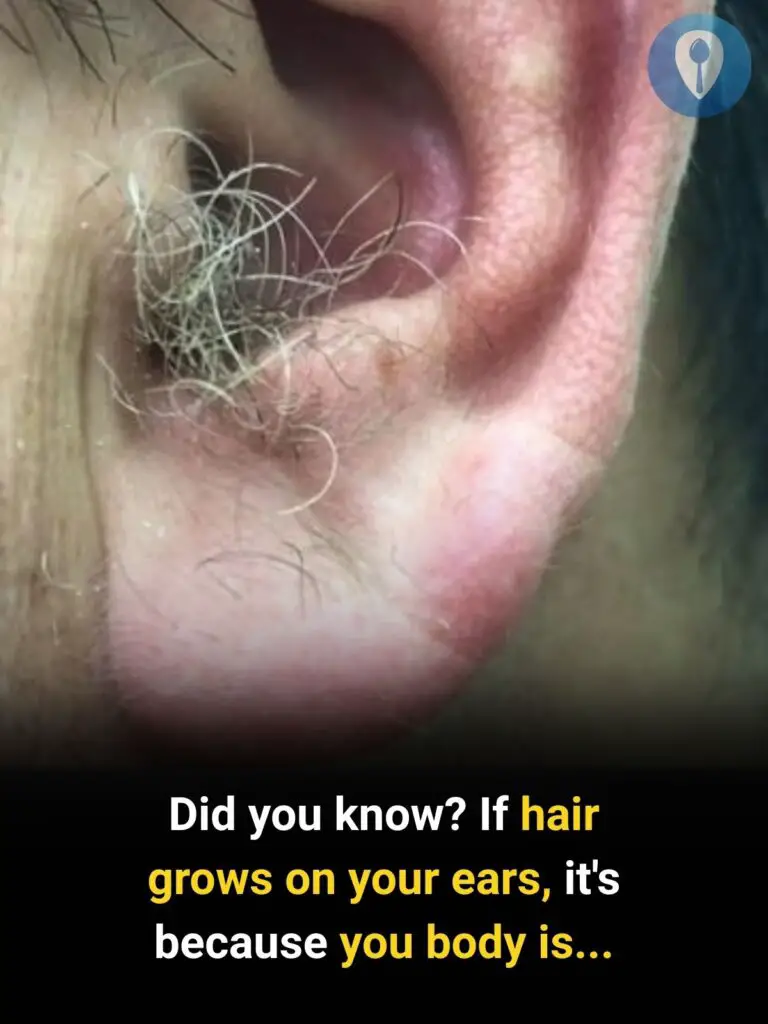
That wiry hair growing in your ears—especially as you age—often feels like nothing more than a grooming annoyance. However, while ear hair is usually harmless, changes in its growth pattern can sometimes reflect shifts happening inside your body.
For most men, especially after age 50, ear hair is completely normal. Still, medical professionals note that sudden, excessive, or unusual growth patterns deserve a closer look.
Here is what doctors say about this overlooked body sign.
🧓 Why Ear Hair Grows (Especially with Age)
Ear hair growth is primarily influenced by hormones, genetics, and the natural aging process.
Hormonal Shifts
As men age, hormone levels gradually change. Testosterone levels decline over time, yet the balance between testosterone and other hormones shifts in complex ways. Hair follicles in certain areas—such as the ears, nose, and eyebrows—become more sensitive to androgens (male hormones).
As a result, hair in these areas may grow thicker, darker, and coarser.
Genetics
If your father or grandfather had noticeable ear hair, you are more likely to develop it too. Genetic factors strongly influence hair distribution patterns.
Natural Aging
With age, some hair follicles shrink while others become more active. Interestingly, scalp hair may thin, while ear and nasal hair become more prominent.
For most men over 50, mild to moderate ear hair growth is completely typical and not a medical concern.
⚠️ When Ear Hair Might Signal a Health Issue
Although ear hair growth is usually benign, doctors pay attention when growth appears:
- Sudden
- Excessive
- Rapidly worsening
- Uneven (only on one side)
- Accompanied by other unusual symptoms
In those cases, further evaluation may be appropriate.
1. Insulin Resistance or Prediabetes
Some research has explored a possible link between excessive ear hair and metabolic conditions like insulin resistance.
Why It Matters
Insulin resistance affects hormone balance and may influence hair growth patterns. While ear hair alone does not diagnose diabetes or prediabetes, it can be one small piece of a larger picture.
Watch for additional symptoms such as:
- Increased thirst
- Frequent urination
- Fatigue
- Unexplained weight gain
If you have risk factors for diabetes, routine blood sugar testing is wise.
2. Hormonal Imbalances
Significant changes in hair growth—especially if paired with:
- Sudden weight changes
- Mood shifts
- Fatigue
- Changes in libido
—may suggest broader hormonal shifts.
Although ear hair itself rarely signals a serious hormonal disorder, doctors consider overall symptom patterns rather than isolated features.
3. Cardiovascular Risk (Historical Observations)
Some older studies observed a potential association between excessive ear hair and coronary artery disease. However, modern research remains inconclusive.
Ear hair does not cause heart disease. At most, it may correlate with shared hormonal or aging factors.
If you have risk factors such as high blood pressure, high cholesterol, smoking history, or family heart disease, focus on proven screening methods rather than relying on physical traits alone.
👂 Ear Hair in Women
Excessive ear hair growth in women is uncommon. Therefore, when it appears suddenly or becomes pronounced, doctors may evaluate for:
- Hormonal imbalance
- Polycystic ovary syndrome (PCOS)
- Endocrine disorders
If accompanied by facial hair growth, irregular periods, or acne, medical evaluation is recommended.
🪒 Grooming Safely
If ear hair bothers you cosmetically, safe grooming options include:
- Electric ear trimmers designed specifically for this area
- Professional trimming at a barbershop
- Careful trimming with blunt-tip scissors
Avoid:
- Plucking deeply embedded hairs
- Using sharp tools inside the ear canal
- Applying harsh chemical hair removers
The skin inside the ear is delicate and prone to irritation or infection.
🩺 When to See a Doctor
Consult a healthcare provider if ear hair growth is accompanied by:
- Sudden hormonal changes
- Unexplained fatigue
- Significant weight shifts
- Symptoms of diabetes
- Cardiovascular risk factors
Routine annual checkups remain the best way to monitor underlying health conditions.
Final Thoughts
In most cases, ear hair is simply a normal part of aging—especially for men over 50. Genetics and hormonal sensitivity play the largest roles.
However, your body often sends subtle signals when something changes internally. Sudden or extreme hair growth, particularly when paired with other symptoms, deserves attention.
Rather than worrying about a few extra hairs, focus on overall health markers: balanced nutrition, regular exercise, blood pressure control, and routine screenings.
Sometimes ear hair is just ear hair. But paying attention to broader patterns keeps you informed—and proactive—about your health.