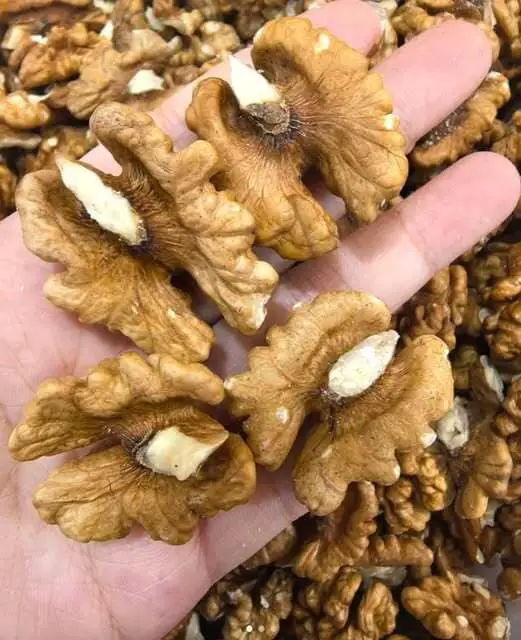
Walnuts are one of nature’s most celebrated superfoods. Those wrinkled, brain-shaped nuts tucked into trail mixes, breakfast bowls, or sprinkled over salads are far more than a tasty snack—they’re a nutritional powerhouse that supports the heart, brain, gut, and overall wellness.
Doctors and nutritionists alike often recommend walnuts not just for occasional snacking but as a daily addition to your diet. Let’s explore the remarkable ways walnuts can impact your health—and why one handful a day might be the simplest, smartest choice you make.
1. A Heart-Healthy Powerhouse
Walnuts are the richest nut source of plant-based omega-3 fatty acids, specifically alpha-linolenic acid (ALA). ALA is essential for cardiovascular health, helping to reduce inflammation, improve arterial flexibility, and support healthy blood pressure.
What walnuts do for your heart:
- Lower LDL cholesterol and triglycerides: Studies show consistent walnut consumption can reduce “bad” cholesterol while supporting HDL (“good”) cholesterol.
- Improve endothelial function: This refers to the flexibility and responsiveness of arteries—key factors in preventing heart disease.
- Reduce inflammation: Chronic inflammation in blood vessels is a major contributor to cardiovascular disease, and walnuts help counter it naturally.
Science in action:
A study in the Journal of the American Heart Association found that eating 1 ounce (about 14 walnut halves) daily significantly lowered total cholesterol, LDL, and triglyceride levels, reducing risk factors for heart attack and stroke.
2. Boosting Brain Function
Walnuts aren’t just good for your heart—they have direct benefits for the brain. Their combination of omega-3s, polyphenols, and antioxidants helps maintain neuronal health, cognitive performance, and mental clarity.
Brain benefits include:
- Memory support: Omega-3s strengthen synaptic connections and improve communication between neurons.
- Neuroprotection: Antioxidants in walnuts help neutralize free radicals, which are linked to age-related cognitive decline.
- Mood regulation: Nutrients in walnuts, including magnesium and tryptophan, contribute to serotonin production, potentially supporting emotional balance.
Researchers suggest regular walnut consumption may even reduce the risk of neurodegenerative conditions like Alzheimer’s disease by preserving brain structure and function.
3. Fighting Inflammation
Chronic inflammation is a silent driver behind many modern diseases, from arthritis to metabolic syndrome. Walnuts are rich in polyphenols and healthy fats, which can naturally dampen inflammatory pathways in the body.
- Heart inflammation: ALA and antioxidants reduce vascular inflammation, protecting arteries.
- Joint health: Anti-inflammatory compounds may help reduce joint stiffness and discomfort, complementing an active lifestyle.
- Overall wellness: By lowering oxidative stress and inflammatory markers, walnuts contribute to long-term health maintenance.
4. Supporting Gut Health
Emerging research highlights walnuts as prebiotic-friendly foods, meaning they feed beneficial gut bacteria.
Gut benefits of walnuts include:
- Diversity of gut microbiota: Walnut consumption has been linked to increased populations of beneficial bacteria like Bifidobacterium and Lactobacillus.
- Digestive health: These bacteria produce short-chain fatty acids that nourish colon cells and promote smooth digestion.
- Systemic impact: A healthy gut microbiome supports immunity, reduces inflammation, and even impacts mood and metabolism.
5. Balancing Blood Sugar
Walnuts can help regulate blood sugar by slowing digestion and reducing post-meal glucose spikes.
- Diabetes-friendly: The combination of healthy fats, fiber, and protein helps moderate insulin response.
- Satiety: Walnuts are filling, reducing cravings for refined carbs and sugars, which supports stable energy levels throughout the day.
- Weight management: Including walnuts as a controlled portion can assist with appetite control while providing nutrient-dense calories.
6. Skin and Hair Benefits
Walnuts’ nutrient profile—rich in vitamin E, zinc, and omega-3s—supports skin and hair health:
- Skin: Antioxidants protect against free radical damage, helping to maintain elasticity and prevent premature aging.
- Hair: Essential fatty acids nourish follicles and scalp, promoting strength and shine.
While not a substitute for topical care, walnuts complement skin and hair health from the inside out.
7. How Much Should You Eat?
Experts recommend about 1 ounce (roughly 14 halves) per day. This portion balances benefits without contributing excessive calories.
Tips for incorporating walnuts into your diet:
- Add to oatmeal, yogurt, or smoothies for a crunchy, nutritious boost.
- Sprinkle over salads or roasted vegetables for texture and flavor.
- Include in homemade energy bars or trail mixes for convenient snacking.
- Eat raw or lightly toasted to preserve nutrients—avoid heavily sugared or salted varieties.
8. Safety and Considerations
Walnuts are generally safe for most people but consider:
- Allergies: Tree nut allergies are common—any reaction such as hives, swelling, or breathing difficulty requires immediate medical attention.
- Portion control: While nutrient-dense, walnuts are high in calories; moderation is key.
- Medication interactions: Very rarely, high intake of omega-3s may interact with blood-thinning medications. Consult your doctor if concerned.
9. Why Walnuts Are a Smart Daily Choice
Incorporating walnuts into your diet is about more than snacking—it’s an investment in long-term health:
- Heart: Lower cholesterol, reduced inflammation, and better arterial flexibility.
- Brain: Improved cognition, memory, and mood.
- Metabolism: Balanced blood sugar and controlled appetite.
- Gut: Promotes a healthy microbiome.
- Beauty: Supports skin, hair, and overall vitality.
A simple handful of walnuts each day can touch nearly every system in your body, quietly enhancing resilience and wellness.
Final Thoughts
Next time you reach for a snack, consider the humble walnut. That wrinkled little nut packs more than flavor—it carries nutrients, antioxidants, and healthy fats that support the brain, heart, gut, and more.
Doctors praise walnuts not just for their taste but for their scientifically backed impact on health and longevity. A daily handful is a small habit with outsized benefits—a practical, delicious way to invest in your well-being every day.
More Handmade Haven
- Your Brain Is Still Young If You Can Spot the Man in a Hat in This Vintage Puzzle
- COVID-19 Vaccines and Long-Term Safety: What We Know in 2026
- Did a Gorilla Save Its Caretaker During a Heart Attack? Examining a Moving but Unverified Viral Story
- Tick-Borne Illnesses: Warning Signs, Safe Tick Removal, and Practical Ways to Protect Your Family