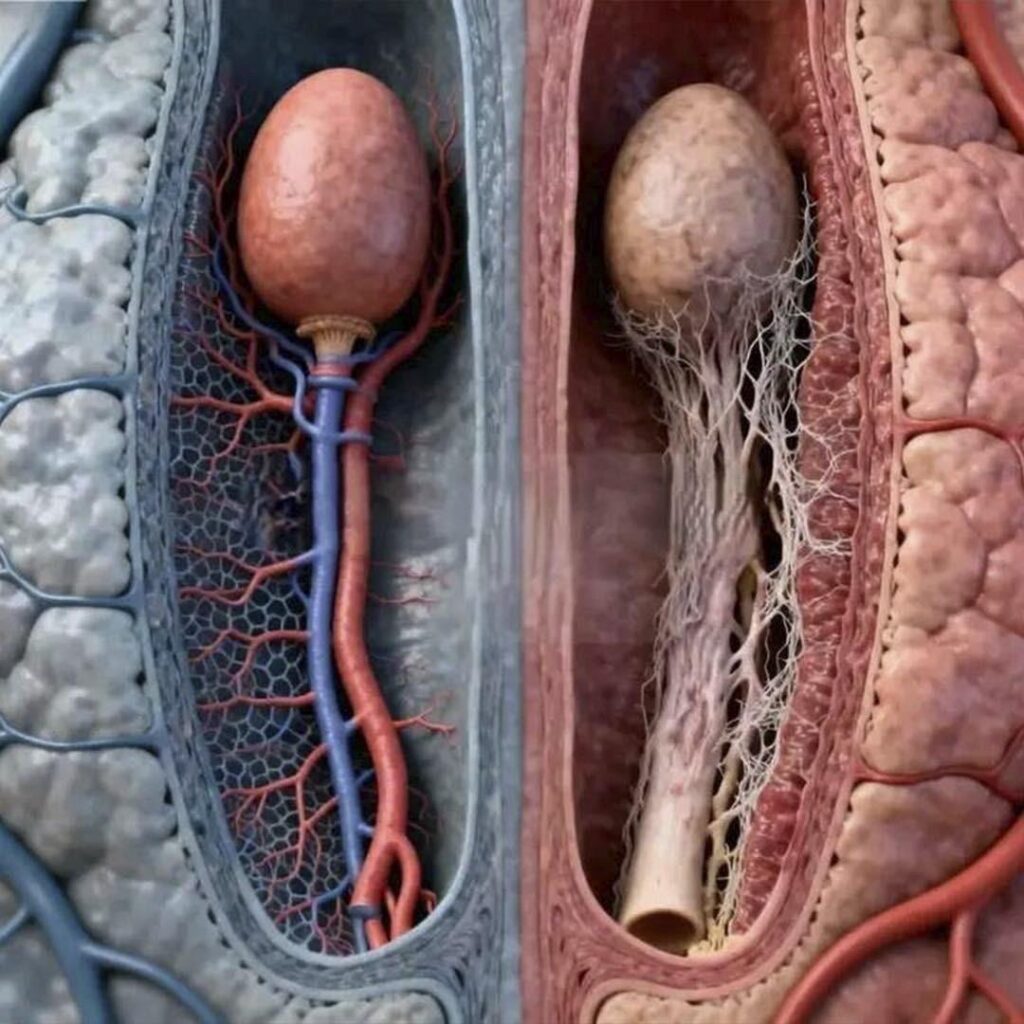
You may have seen headlines or social media posts claiming that “old men have a different penis” or suggesting strange changes happen with age. While these statements are often exaggerated or poorly explained, aging does bring real, natural changes to the male body, including sexual and urinary health.
Let’s clear up myths, explain what actually happens, and highlight when changes are normal—and when they should be checked by a doctor.
Does the Penis Really Change With Age?
Yes, but not in shocking or mythical ways.
As men age, especially after 40–50, the body undergoes gradual physiological changes. These changes are influenced by hormones, blood flow, muscle tone, and overall health.
Common, Normal Changes
- Slight decrease in size
Some men notice a small reduction in length or girth. This is often due to reduced blood flow, elasticity, or mild fat accumulation around the pubic area—not because the penis itself is “shrinking dramatically.” - Slower or less firm erections
Erections may take longer to achieve and may not be as firm as in younger years. This is usually related to circulation changes rather than loss of desire. - Changes in sensitivity
Sensation can decrease slightly over time, which may affect response speed but not necessarily pleasure.
These changes are normal parts of aging, not signs of illness.
Hormones and Blood Flow Play a Major Role
Testosterone Decline
Testosterone levels naturally decrease by about 1% per year after age 30. This gradual decline can affect:
- Libido
- Energy levels
- Erectile strength
However, many men maintain a healthy sex life well into older age.
Circulation Matters More Than Age
Erections rely heavily on healthy blood vessels. Conditions such as:
- High blood pressure
- Diabetes
- High cholesterol
- Smoking
can affect erectile function more than age itself. This is why lifestyle plays such a large role in sexual health.
The Prostate and Urinary Changes
Another common age-related change involves the prostate.
Benign Prostatic Hyperplasia (BPH)
- Affects over 50% of men by age 60
- Causes increased urination, especially at night
- May weaken urine flow
BPH does not affect the penis directly, but it can influence comfort, confidence, and sexual experience.
Myths vs. Facts
Myth: Older men develop strange or abnormal genital anatomy
Fact: Anatomy remains the same; function may change gradually
Myth: Loss of sexual ability is inevitable
Fact: Many older men remain sexually active and satisfied
Myth: These changes mean something is “wrong”
Fact: Most changes are normal and manageable
When to See a Doctor
While most changes are normal, medical advice is important if you experience:
- Sudden loss of erectile function
- Pain during urination or ejaculation
- Blood in urine or semen
- Lumps, sores, or skin changes
- Significant discomfort or distress
Early evaluation helps rule out conditions and offers effective treatment options.
The Bottom Line
Aging does not cause bizarre or extreme changes to the penis. What does happen is a gradual shift influenced by hormones, circulation, and overall health. These changes are common, natural, and often treatable.
With healthy habits, regular checkups, and open conversations with healthcare providers, men can maintain confidence, comfort, and quality of life at any age.
Understanding the facts replaces fear and misinformation—and that’s always a good thing.