
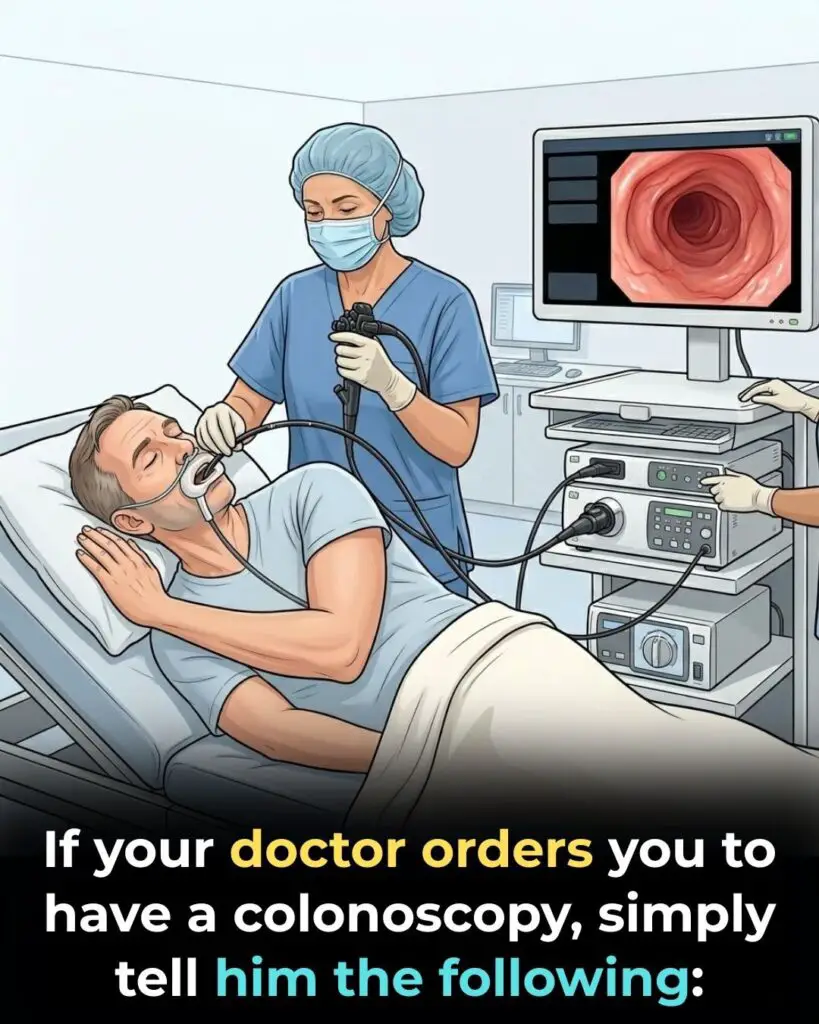
Hearing the word colonoscopy can trigger anxiety in even the most calm and composed individuals. It’s common to feel a mix of embarrassment, fear of discomfort, or unease from hearing horror stories—often well-meaning—from friends or family. This apprehension is understandable, but it also has consequences: delayed screenings, increased risk of undetected issues, and added stress.
Yet here’s the truth that often gets lost in the noise: a colonoscopy is not a punishment. It’s a preventive gift for your health. And the single most impactful step you can take—before the prep, before the procedure—is to have one honest conversation with your doctor.
The One Question That Transforms Fear Into Understanding
When your doctor recommends a colonoscopy, ask:
“Can you help me understand why this is right for me now?”
This simple question does more than gather information. It shifts the dynamic from passive patient to active partner in health. Your doctor’s response may explain:
- Routine Screening: “You’re 45, so it’s time for a screening to catch potential issues early.”
- Symptom Investigation: “Your digestive symptoms suggest a closer look—and a colonoscopy is the most thorough option.”
- Family History Consideration: “Because of your family history, early detection is especially important for you.”
Framing the procedure this way changes it from “something being done to me” to “something I am choosing for my well-being.” Knowledge dissolves fear. Understanding creates empowerment.
What a Colonoscopy Really Is (And Isn’t)
It’s easy to let stories and assumptions fill the gaps, so let’s clarify what the procedure involves and what it doesn’t:
✅ Sedation Makes It Comfortable
Most patients are given sedation that allows them to sleep through the 20–45 minute procedure. For many, there is no memory of the exam afterward, making it far less intimidating than imagined.
✅ High Precision Screening
A flexible, high-definition scope allows your doctor to visualize the entire colon. Polyps as small as a grain of rice can be detected and removed on the spot, preventing potential cancer before it develops.
✅ Preventive, Not Just Diagnostic
Unlike some tests that simply observe, colonoscopies allow for immediate intervention. Removing precancerous growths is a preventive act that can save lives.
✅ Routine Practice
Gastroenterologists perform these procedures daily. For them, it’s a professional routine, not a personal judgment about your body. Your colonoscopy is purely a preventive health measure, guided by expertise and evidence.
The Real Challenge: Prep
If there’s one aspect that patients often dread, it’s the bowel prep—the day-before cleansing. While inconvenient, this step is temporary, and it’s what ensures doctors have a clear view to detect polyps or other irregularities. Modern prep solutions are designed to be as tolerable as possible, and with proper hydration and timing, the process is manageable.
Tips for smoother prep:
- Stay Hydrated: Drink plenty of clear fluids to ease discomfort.
- Follow Instructions Carefully: Skipping steps can reduce the procedure’s effectiveness.
- Use Gentle Remedies: Clear broths, herbal teas, and electrolyte solutions can make prep easier.
Where Fear Really Lives
Fear around colonoscopy often arises from uncertainty rather than the procedure itself. Anxiety may be fueled by:
- Embarrassment or perceived social stigma
- Worry about discomfort or pain
- Unknown results or potential bad news
Softening this fear comes from preparation, understanding, and communication. Talking to your doctor, asking questions, and knowing what to expect can reduce worry significantly.
Questions to Ask Before Your Colonoscopy
To feel confident and prepared, consider asking your doctor:
- Reason for Screening: “Why is now the right time for me?”
- Sedation Details: “What type of anesthesia or sedation will I receive?”
- Prep Options: “Are there alternative prep methods that might be easier for me?”
- Risks and Side Effects: “What are the potential risks, and how common are complications?”
- Follow-Up: “What happens if polyps are found, or if the results are abnormal?”
Asking these questions helps you take ownership of your health while reducing stress.
Colonoscopy and Prevention: The Bigger Picture
Colorectal cancer is among the most preventable cancers when detected early. Screening has been proven to:
- Reduce cancer incidence by identifying and removing polyps
- Detect cancer in early, more treatable stages
- Provide peace of mind when results are normal
It’s not merely a diagnostic tool—it’s a preventive shield for long-term health.
Final Thoughts: Empower Yourself Through Knowledge
A colonoscopy isn’t something to fear—it’s something to choose consciously. With preparation, communication, and understanding, the procedure becomes a proactive act of self-care rather than a source of anxiety.
By asking your doctor the right questions, learning what to expect, and approaching the process with clarity, you can transform uncertainty into empowerment. This is your body, your health, and your choice—armed with knowledge, courage, and prevention.
If you want, I can also create a detailed visual checklist for colonoscopy prep and questions to ask your doctor—so readers could use it as a practical guide for planning their procedure. This turns the article from purely informative into highly actionable.