
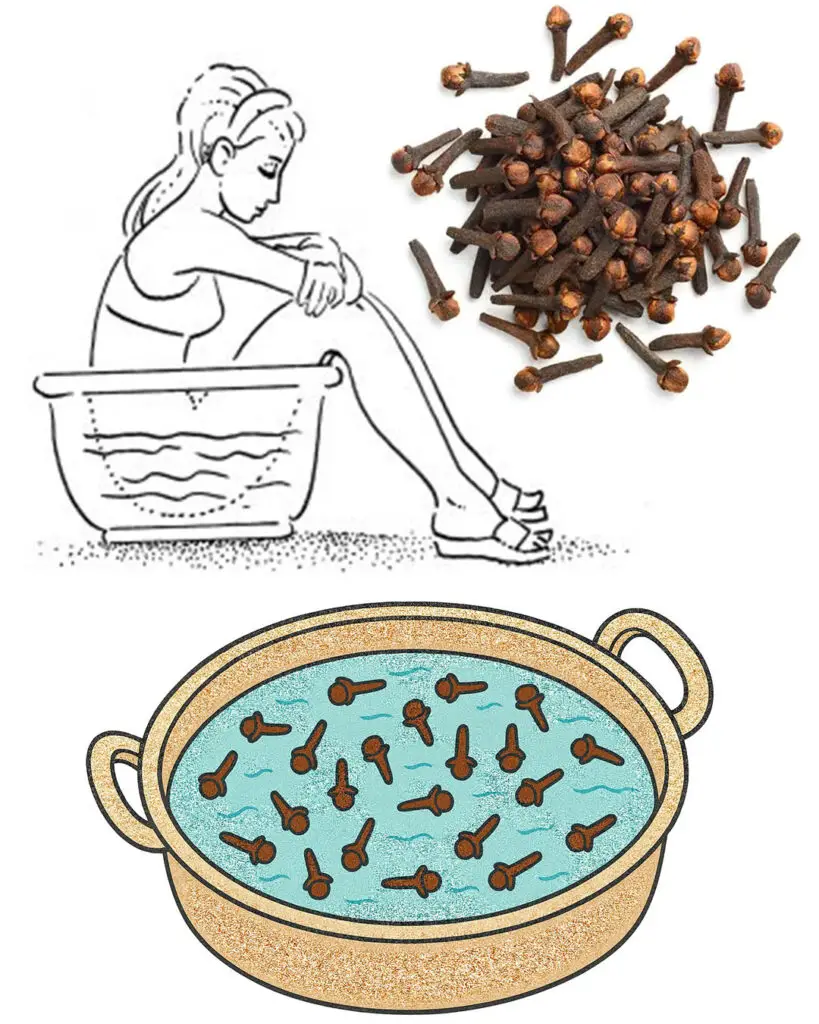
Clove Water Sitz Baths for Women offer a soothing, natural way to support intimate hygiene and comfort. For generations, women have used warm sitz baths to ease postpartum soreness, calm hemorrhoids, and relieve menstrual discomfort. When you add clove water to the bath, you introduce gentle antimicrobial and anti-inflammatory properties that may enhance relief.
Although this remedy comes from traditional practices, you must use it carefully. The perineal area remains sensitive, so proper preparation and dilution matter. Fortunately, when prepared correctly, a clove water sitz bath can feel calming, refreshing, and restorative.
Many women rediscover simple remedies during moments when modern solutions feel overwhelming. I remember feeling uncomfortable and tender after a long week of stress and hormonal shifts. Instead of reaching for harsh products, I prepared a warm sitz bath with a light clove infusion. The warmth immediately relaxed my body, while the gentle herbal scent felt grounding. That small ritual reminded me that comfort does not have to be complicated. Sometimes, the simplest traditions offer the most reassuring relief.
What Is Clove Water and Why Is It Used?
Understanding Clove Water
Clove water comes from steeping dried clove buds (Syzygium aromaticum) in hot water. This process releases beneficial plant compounds, especially eugenol. Eugenol acts as a natural antiseptic and mild analgesic, which explains why cloves have long appeared in traditional herbal practices.
Unlike clove essential oil, which is highly concentrated and potentially irritating, clove water remains mild when properly diluted. That distinction is critical. You should never apply undiluted clove oil directly to skin or mucous membranes because it can cause burning or irritation.
Instead, a gentle infusion offers a safer option for sensitive areas.
Traditional Uses in Women’s Care
Across various traditional practices, women have used herbal sitz baths to:
- Support postpartum recovery
- Ease menstrual discomfort
- Soothe hemorrhoids
- Maintain intimate hygiene
Because cloves contain natural antimicrobial properties, many believe they help cleanse and refresh delicate areas. Additionally, cloves provide mild anti-inflammatory support, which may reduce minor swelling or irritation.
However, herbal remedies support comfort—they do not replace medical treatment. If you experience severe pain, infection symptoms, or unusual discharge, consult a healthcare professional promptly.
Potential Benefits of Clove Water Sitz Baths
Soothing Postpartum Discomfort
After childbirth, the perineal area may feel sore, swollen, or irritated. Warm water alone already increases blood circulation and encourages healing. When you add clove water, you introduce gentle plant compounds that may enhance comfort.
Because clove water contains mild analgesic properties, some women report reduced tenderness. Furthermore, warm sitz baths promote relaxation, which helps your body recover more efficiently.
Always wait for your healthcare provider’s approval before using any herbal remedy postpartum.
Relief for Hemorrhoids and Irritation
Hemorrhoids cause itching, burning, and swelling. Warm sitz baths already help reduce discomfort by increasing blood flow and relaxing tissues.
Clove water may provide additional soothing support due to its anti-inflammatory properties. Moreover, its natural antimicrobial qualities can assist with gentle cleansing.
However, you must use a mild infusion. Strong concentrations can irritate sensitive tissues rather than soothe them.
How to Prepare a Safe Clove Water Sitz Bath
Step 1: Make the Clove Infusion
To prepare clove water:
- Boil 4 cups of water.
- Add 1 teaspoon of whole cloves.
- Reduce heat and simmer for 10 minutes.
- Remove from heat and allow it to cool slightly.
- Strain thoroughly to remove all clove pieces.
The liquid should appear light brown with a mild aroma. If the scent feels overpowering, dilute further with warm water.
Never use clove essential oil in a sitz bath.
Step 2: Prepare the Sitz Bath
You can use either a bathtub or a sitz bath basin that fits over your toilet.
- Fill the basin with warm (not hot) water.
- Add the strained clove infusion.
- Test the temperature carefully before sitting.
- Soak for 10–15 minutes.
Afterward, gently pat the area dry with a clean towel. Avoid rubbing, as friction can irritate sensitive skin.
You may repeat this process once daily if needed, unless advised otherwise by a healthcare provider.
Safety Guidelines and Precautions
When to Avoid Clove Water
Although clove water is generally gentle, avoid using it if:
- You have open wounds or severe tearing
- You experience intense burning after first use
- You have known clove allergies
- You are recovering from surgery without medical approval
Additionally, discontinue use if redness or irritation increases.
Important Hygiene Tips
Always prepare fresh clove water. Do not store leftover infusion for future use, as bacteria can grow in herbal preparations.
Clean your sitz bath basin thoroughly before and after each use. Furthermore, ensure your hands remain clean during preparation.
If you notice signs of infection—such as fever, unusual odor, severe pain, or discharge—seek medical care immediately.
Frequently Asked Questions
1. Can I use clove essential oil instead of clove water?
No. Clove oil is highly concentrated and can burn or irritate delicate tissues. Always use a diluted clove infusion only.
2. How often can I take a clove water sitz bath?
Most women use it once daily for short-term relief. However, consult your healthcare provider for ongoing concerns.
3. Is it safe during menstruation?
Yes, a gentle sitz bath may soothe discomfort during menstruation. However, avoid extremely hot water.
4. Can pregnant women use clove water sitz baths?
Pregnant women should consult their doctor before using any herbal remedies.
5. Does clove water treat infections?
Clove water may offer mild antimicrobial support, but it does not replace medical treatment for infections.
Conclusion
Clove Water Sitz Baths for Women provide a gentle, traditional approach to intimate comfort and hygiene. When prepared correctly, the warm infusion may soothe postpartum tenderness, ease hemorrhoid discomfort, and promote relaxation.
However, safety remains essential. Always dilute properly, avoid essential oils, and listen to your body’s response. Most importantly, consult a healthcare professional for persistent symptoms or concerns.
Simple rituals often bring meaningful comfort. With proper care and preparation, a clove water sitz bath can become a calming addition to your self-care routine.