
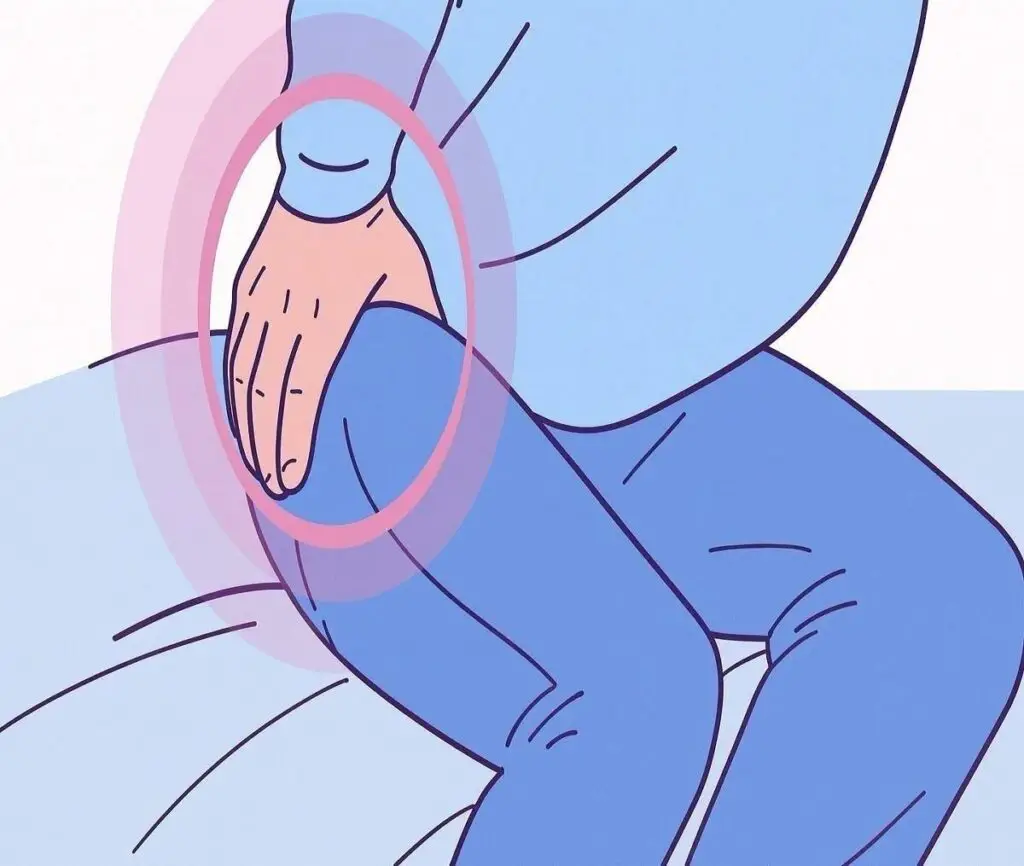
Hip pain can be frustrating, limiting, and sometimes frightening. Whether it appears suddenly after a workout or develops gradually over months, discomfort in the hip is often your body’s way of asking for attention.
Many people assume hip pain is simply a normal part of getting older. While aging can contribute to certain conditions, persistent hip pain should never be ignored. The hip is one of the largest and most important joints in the body, supporting nearly every movement you make—from walking and climbing stairs to standing, bending, and exercising.
Understanding what may be causing your hip pain can help you take the right steps toward relief and recovery.
Understanding the Hip Joint
The hip is a ball-and-socket joint designed for both strength and flexibility. The rounded head of the thigh bone fits into a socket within the pelvis, creating a stable structure that allows movement in multiple directions.
Several components work together to keep the hip functioning properly:
- Cartilage cushions the bones and prevents friction.
- Ligaments hold the joint together.
- Tendons connect muscles to bones.
- Muscles generate movement and stability.
- Bursae reduce friction between tissues.
- Nerves transmit signals throughout the area.
Because so many structures surround the hip, pain can originate from various sources. In some cases, pain felt in the hip may actually come from the lower back, pelvis, or even the knee.
Common Symptoms Associated With Hip Pain
Hip pain does not feel the same for everyone. The exact sensation often provides clues about the underlying cause.
Some people experience:
- A dull ache deep within the joint
- Sharp stabbing pain during movement
- Burning sensations along the outer hip
- Groin discomfort
- Stiffness after periods of inactivity
- Clicking or popping sensations
- Weakness when walking
- Reduced range of motion
The location of the pain can be particularly important.
Pain in the groin often points toward issues within the hip joint itself. Outer hip pain may indicate bursitis or tendon problems. Pain in the buttocks can sometimes originate from the spine rather than the hip.
Osteoarthritis: The Most Common Cause
One of the leading causes of hip pain is osteoarthritis.
This condition develops when the protective cartilage covering the ends of bones gradually wears away. Without adequate cushioning, bones begin rubbing against one another, causing inflammation and discomfort.
Symptoms may include:
- Morning stiffness
- Deep aching pain in the groin
- Difficulty walking long distances
- Reduced flexibility
- Grinding sensations during movement
Osteoarthritis tends to develop slowly over time, often worsening without appropriate management.
Risk factors include:
- Age
- Obesity
- Previous injuries
- Family history
- Repetitive joint stress
While there is no cure, treatments can significantly improve quality of life and reduce symptoms.
Trochanteric Bursitis
Trochanteric bursitis occurs when the bursae on the outer side of the hip become inflamed.
Bursae are small fluid-filled sacs that act as cushions between bones and soft tissues.
When irritated, they can cause:
- Sharp outer hip pain
- Tenderness to touch
- Pain while lying on the affected side
- Discomfort when climbing stairs
- Increased pain after prolonged walking
This condition frequently affects runners, cyclists, and individuals who spend long periods standing.
Fortunately, many cases respond well to rest, physical therapy, and anti-inflammatory treatments.
Muscle Strains and Tendinitis
Active individuals often experience hip pain due to muscle strains or tendon inflammation.
These injuries can occur after:
- Sudden increases in exercise intensity
- Poor stretching habits
- Sports activities
- Repetitive movements
- Overuse
Symptoms typically include:
- Soreness during activity
- Tenderness
- Mild swelling
- Pulling sensations
- Reduced flexibility
Unlike arthritis, these conditions often improve with proper rest and rehabilitation.
Hip Labral Tears
The labrum is a ring of cartilage surrounding the hip socket.
It helps stabilize the joint and creates a secure fit between the ball and socket.
When the labrum tears, individuals may notice:
- Deep groin pain
- Clicking sounds
- Catching sensations
- Joint instability
- Pain during twisting movements
Athletes participating in sports that involve repetitive hip rotation are particularly susceptible.
Without treatment, labral tears can sometimes contribute to early joint degeneration.
Referred Pain From the Lower Back
Not all hip pain originates in the hip.
The lower spine contains nerves that travel into the buttocks, hips, and legs. Conditions affecting these nerves can create symptoms that mimic hip problems.
Common causes include:
- Herniated discs
- Sciatica
- Spinal stenosis
- Degenerative disc disease
Signs that the spine may be involved include:
- Pain radiating down the leg
- Tingling sensations
- Numbness
- Weakness
- Back pain accompanying hip discomfort
A thorough evaluation is often needed to distinguish between spinal and hip conditions.
Stress Fractures and Bone Conditions
Although less common, certain bone-related conditions can cause significant hip pain.
Stress Fractures
Stress fractures develop when repetitive force overwhelms the bone’s ability to repair itself.
They are often seen in:
- Long-distance runners
- Military recruits
- Athletes
- Individuals with osteoporosis
Symptoms include:
- Pain during activity
- Tenderness
- Progressive worsening
- Discomfort even during rest
Avascular Necrosis
Avascular necrosis occurs when blood flow to the bone becomes disrupted.
Without adequate circulation, bone tissue begins to die.
Risk factors include:
- Long-term steroid use
- Alcohol abuse
- Trauma
- Certain medical conditions
This condition requires prompt medical attention to prevent joint collapse.
Hip Pain in Women
Women may experience unique causes of hip pain.
These can include:
Pregnancy-Related Pain
During pregnancy, hormonal changes loosen ligaments in preparation for childbirth.
Combined with weight gain and shifting posture, this can create significant hip discomfort.
Pelvic Conditions
Certain gynecological issues can cause pain that radiates into the hip region, including:
- Endometriosis
- Ovarian cysts
- Pelvic inflammatory disease
Medical evaluation can help identify the true source of symptoms.
When Hip Pain Becomes an Emergency
While many causes of hip pain are not dangerous, some situations require immediate medical attention.
Seek urgent care if you experience:
- Inability to walk
- Severe pain after a fall
- Visible deformity
- Fever with hip pain
- Significant swelling
- Redness and warmth around the joint
- Sudden numbness or weakness
- Loss of bladder or bowel control
These symptoms may indicate infection, fracture, nerve compression, or other serious conditions.
How Doctors Diagnose Hip Pain
A healthcare provider will typically begin with a detailed medical history and physical examination.
Questions may include:
- Where is the pain located?
- When did it start?
- What activities worsen it?
- Are there associated symptoms?
Additional testing may include:
X-rays
Useful for detecting:
- Arthritis
- Fractures
- Structural abnormalities
MRI
Provides detailed images of:
- Cartilage
- Tendons
- Ligaments
- Labral tears
CT Scans
Sometimes used to evaluate complex bone problems.
Blood Tests
Helpful when infection or inflammatory disease is suspected.
Treatment Options
Treatment depends on the underlying cause.
Lifestyle Modifications
Simple adjustments can significantly reduce symptoms:
- Weight management
- Activity modification
- Supportive footwear
- Ergonomic improvements
Physical Therapy
A physical therapist can develop exercises to:
- Improve flexibility
- Strengthen supporting muscles
- Restore mobility
- Improve balance
Medications
Common options include:
- Acetaminophen
- Nonsteroidal anti-inflammatory drugs (NSAIDs)
- Prescription medications when necessary
Injections
Corticosteroid injections may reduce inflammation and provide temporary relief.
Surgery
In severe cases, procedures such as hip arthroscopy or hip replacement may be recommended.
Gentle Exercises That May Help
For many people, gentle movement is beneficial.
Examples include:
Hip Flexor Stretch
Improves flexibility in the front of the hip.
Glute Bridges
Strengthens the muscles supporting the joint.
Seated Figure-Four Stretch
Targets the hips and buttocks.
Walking
Low-impact walking helps maintain mobility and circulation.
Always stop if an exercise increases pain significantly.
Preventing Future Hip Problems
While not all hip conditions are preventable, certain habits can help protect joint health:
- Maintain a healthy weight
- Exercise regularly
- Stretch consistently
- Use proper form during physical activity
- Avoid prolonged sitting
- Wear supportive shoes
- Address injuries early
Small daily habits often make a significant difference over time.
Final Thoughts
Hip pain is more than a simple inconvenience. It can affect mobility, independence, sleep quality, and overall well-being.
Fortunately, many causes of hip pain are treatable, especially when addressed early. Whether the issue stems from arthritis, bursitis, muscle strain, spinal problems, or another condition, understanding the potential causes is the first step toward finding relief.
Your body communicates through symptoms. Hip pain is one of those messages. Listening to it, seeking appropriate care, and taking action early can help preserve the freedom and comfort that healthy movement provides.
You don’t have to accept persistent hip pain as a normal part of life. Solutions exist, and help is available. The sooner you investigate the cause, the sooner you can get back to moving confidently and comfortably.