
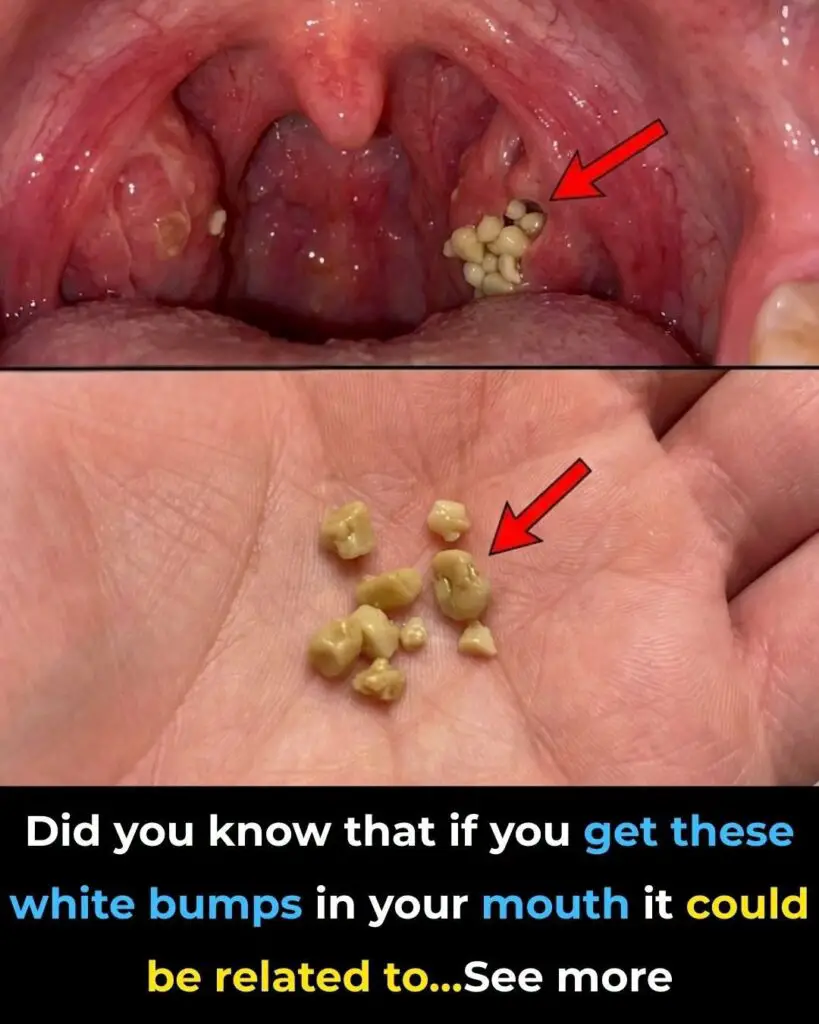
Have you ever felt like something was stuck in the back of your throat, even after swallowing repeatedly? Perhaps you’ve noticed persistent bad breath despite brushing and flossing regularly, or maybe you’ve discovered a small white or yellowish lump hiding in your tonsils.
If so, you may be dealing with tonsil stones, also known as tonsilloliths.
Although they can be unpleasant and sometimes embarrassing, tonsil stones are extremely common and are usually harmless. Understanding what causes them, how to remove them safely, and how to prevent them from returning can make a significant difference in your comfort and confidence.
In this comprehensive guide, we’ll explore everything you need to know about tonsil stones and the best ways to manage them.
What Are Tonsil Stones?
Tonsil stones are small, hardened deposits that develop within the tiny crevices, folds, and pockets of the tonsils.
Your tonsils contain natural indentations called crypts. These crypts can trap various materials, including:
- Food particles
- Dead cells
- Mucus
- Bacteria
- Saliva minerals
Over time, these trapped materials accumulate and become compressed. Minerals found in saliva, particularly calcium, gradually harden the debris, creating small stone-like formations.
These formations can range in size from tiny grains that are barely visible to larger stones that may cause noticeable discomfort.
Most tonsil stones appear:
- White
- Yellow
- Off-white
- Light gray
Their texture is often soft when first formed but can become firmer as mineral deposits increase.
Why Do Tonsil Stones Form?
Not everyone develops tonsil stones. Certain factors make some people more susceptible than others.
Deep Tonsil Crypts
The most common reason is simply anatomy.
Some individuals naturally have deeper or larger tonsil crypts that collect debris more easily.
The deeper the pockets, the greater the chance that particles become trapped and eventually calcify.
Chronic Post-Nasal Drip
People who experience frequent allergies, sinus issues, or chronic nasal congestion often produce excess mucus.
This mucus can accumulate in the throat and provide additional material for tonsil stones to form.
Dry Mouth
Saliva acts as a natural cleansing mechanism.
When saliva production decreases, bacteria and debris are more likely to remain trapped in the mouth and throat.
Common causes of dry mouth include:
- Dehydration
- Certain medications
- Mouth breathing
- Smoking
Frequent Tonsil Infections
Repeated bouts of tonsillitis can enlarge tonsil crypts and increase the likelihood of debris accumulation.
Even after infections resolve, the enlarged crypts may remain.
Poor Oral Hygiene
Although tonsil stones can occur in people with excellent oral care, inadequate oral hygiene increases bacterial growth and contributes to their development.
Common Symptoms of Tonsil Stones
Some tonsil stones remain hidden and produce no symptoms at all.
Others can create a variety of frustrating issues.
Persistent Bad Breath
Bad breath, or halitosis, is the most common symptom.
The bacteria trapped inside tonsil stones produce sulfur compounds that emit an unpleasant odor.
In many cases, people notice that:
- Mouthwash doesn’t help
- Brushing only provides temporary improvement
- Breath odor keeps returning
Feeling Something Stuck in the Throat
Many individuals describe a sensation similar to:
- A crumb stuck in the throat
- A small object lodged behind the tongue
- Constant throat irritation
This sensation can be especially noticeable when swallowing.
Visible White or Yellow Spots
Tonsil stones are often discovered accidentally while looking in a mirror.
Using a flashlight may reveal small white deposits embedded in the tonsils.
Mild Sore Throat
Larger stones may irritate surrounding tissue and cause discomfort.
Symptoms may include:
- Scratchy throat
- Mild soreness
- Irritation when swallowing
Ear Pain
Surprisingly, some people experience ear discomfort.
The nerves supplying the tonsils and ears are interconnected, allowing throat irritation to be perceived as ear pain.
Chronic Cough
Tonsil stones can occasionally trigger a persistent cough as the body attempts to clear the irritation.
Are Tonsil Stones Dangerous?
The good news is that tonsil stones are generally harmless.
They are not cancerous.
They are not contagious.
They are not typically signs of serious disease.
However, large stones can sometimes:
- Cause significant discomfort
- Interfere with swallowing
- Contribute to chronic bad breath
- Increase throat irritation
While these issues are usually not dangerous, they can negatively affect quality of life.
How to Remove Tonsil Stones Safely
If you discover tonsil stones, there are several safe approaches you can try at home.
Saltwater Gargles
One of the simplest and safest methods involves gargling warm saltwater.
Mix:
- ½ teaspoon salt
- 8 ounces warm water
Gargle for 30 seconds and repeat several times daily.
Benefits include:
- Reducing bacteria
- Loosening debris
- Calming irritated tissue
Gentle Coughing
Sometimes a strong cough can naturally dislodge smaller stones.
Many people notice stones emerge unexpectedly while coughing.
Water Flossers
A water flosser on the lowest pressure setting can gently flush debris from tonsil crypts.
Important:
Always start with the lowest setting to avoid injury.
Gargling After Meals
Rinsing and gargling after eating helps remove food particles before they become trapped.
Oral Irrigation
Some people use specialized oral irrigation devices designed specifically for tonsil stone removal.
These tools provide controlled water pressure and can be effective when used carefully.
Methods You Should Avoid
While it may be tempting to remove stones manually, some approaches can cause injury.
Avoid:
- Sharp objects
- Toothpicks
- Tweezers
- Aggressive scraping
- Excessive probing
These methods may:
- Cause bleeding
- Create infection risk
- Damage tonsil tissue
- Lead to scarring
Safety should always come first.
How to Prevent Tonsil Stones
Although prevention isn’t always possible, several habits can significantly reduce their frequency.
Maintain Excellent Oral Hygiene
Brush twice daily and floss regularly.
Don’t forget to clean your tongue, where bacteria often accumulate.
Stay Hydrated
Adequate hydration promotes saliva production and helps naturally cleanse the mouth and throat.
Aim to drink water consistently throughout the day.
Treat Allergies and Sinus Issues
Managing post-nasal drip reduces mucus accumulation that contributes to stone formation.
Use Alcohol-Free Mouthwash
Alcohol-containing mouthwashes may contribute to dry mouth.
Alcohol-free options often provide better long-term support.
Gargle Regularly
Even when you don’t have stones, occasional saltwater gargles may help keep tonsil crypts cleaner.
Quit Smoking
Smoking contributes to dry mouth, bacterial growth, and throat irritation.
Quitting can improve overall oral health significantly.
When Should You See a Doctor?
Most tonsil stones do not require medical treatment.
However, professional evaluation may be appropriate if you experience:
- Persistent pain
- Difficulty swallowing
- Recurrent infections
- Significant swelling
- Bleeding
- Large recurring stones
- Severe bad breath that doesn’t improve
An ear, nose, and throat specialist can evaluate your condition and discuss treatment options.
Can Tonsillectomy Cure Tonsil Stones?
Yes.
Removing the tonsils permanently eliminates tonsil stones because the crypts where they form no longer exist.
However, tonsillectomy is a surgical procedure that carries risks and recovery time.
Most physicians do not recommend surgery solely for occasional tonsil stones.
Tonsillectomy is generally considered only when:
- Stones are severe and recurrent
- Chronic infections occur
- Symptoms significantly affect quality of life
Frequently Asked Questions
Do tonsil stones smell bad?
Yes. The bacteria within tonsil stones produce sulfur compounds that create a strong, unpleasant odor.
Can children get tonsil stones?
Yes, although they are more common in teenagers and adults.
Can tonsil stones come back?
Unfortunately, yes.
People with deep tonsil crypts may experience recurring stones despite good hygiene.
Are tonsil stones contagious?
No. They cannot spread from one person to another.
Can mouthwash prevent tonsil stones?
Mouthwash can help reduce bacteria but may not completely prevent stone formation.
Final Thoughts
Tonsil stones can be annoying, uncomfortable, and embarrassing, especially when they contribute to persistent bad breath or the sensation of something stuck in your throat. Fortunately, they are usually harmless and highly manageable.
Understanding why tonsil stones form is the first step toward preventing them. Good oral hygiene, proper hydration, regular gargling, and addressing underlying issues such as allergies or post-nasal drip can dramatically reduce their occurrence.
Most importantly, remember that having tonsil stones does not mean you’re unhealthy or unhygienic. For many people, they are simply the result of natural tonsil anatomy.
With consistent care and awareness, most individuals can successfully manage tonsil stones and enjoy improved comfort, fresher breath, and greater peace of mind.