
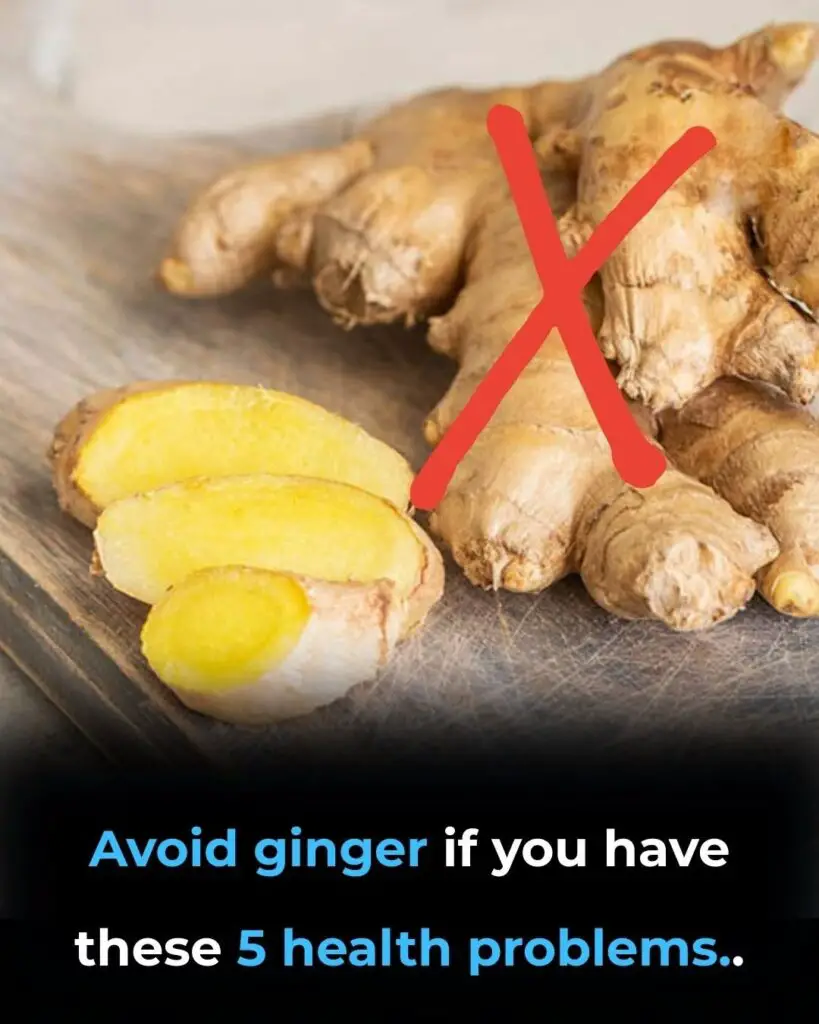
Ginger has earned a reputation as one of nature’s most powerful healing foods. For centuries, people around the world have used it to soothe upset stomachs, ease nausea, support digestion, and reduce inflammation. Whether enjoyed as tea, added to meals, or taken as a supplement, ginger remains a favorite natural remedy.
For most healthy adults, ginger is safe when consumed in moderation. However, natural does not always mean risk-free.
Like many herbs and supplements, ginger can interact with medications and may not be appropriate for people with certain health conditions. In some cases, consuming large amounts of ginger could worsen symptoms or increase the risk of complications.
Understanding when to use caution can help you make informed decisions about your health and avoid unexpected side effects.
Let’s take a closer look at five situations where ginger may not be the best choice.
1. Bleeding Disorders or Blood-Thinning Medications
One of ginger’s most well-known properties is its ability to influence blood clotting.
Research suggests that compounds in ginger may reduce platelet aggregation, which helps prevent blood clots from forming too easily. While this may offer cardiovascular benefits for some individuals, it can be problematic for others.
Who Should Be Careful?
- People taking blood thinners such as warfarin, apixaban, rivaroxaban, or clopidogrel
- Individuals who take daily aspirin
- People with bleeding disorders such as hemophilia
- Anyone preparing for surgery or dental procedures
Potential Risks
When combined with anticoagulant medications, ginger may increase the risk of:
- Easy bruising
- Nosebleeds
- Excessive bleeding
- Prolonged wound healing
- Surgical complications
If you’re scheduled for surgery, many healthcare providers recommend avoiding ginger supplements for at least one to two weeks beforehand.
Small amounts used in cooking are generally less concerning, but anyone taking blood-thinning medications should consult a healthcare professional before using ginger supplements regularly.
2. Gallstones or Gallbladder Disease
Ginger stimulates the production and flow of bile, which helps the body digest fats more efficiently.
For people with a healthy gallbladder, this can be beneficial. However, those with gallstones or bile duct problems may experience complications.
Why It Can Be a Problem
When bile production increases, gallstones may shift position and potentially block the bile ducts.
This can trigger:
- Sudden abdominal pain
- Nausea
- Vomiting
- Jaundice
- Gallbladder attacks
Who Should Use Caution?
- Individuals with diagnosed gallstones
- People with bile duct obstruction
- Those with chronic gallbladder disease
If you have a history of gallbladder problems, discuss ginger use with your healthcare provider before consuming concentrated teas, extracts, or supplements.
3. Diabetes Treated With Medication
Ginger has attracted attention for its potential ability to help lower blood sugar levels.
Several studies suggest that ginger may improve insulin sensitivity and help regulate glucose metabolism.
While this may sound beneficial, it can become problematic when combined with diabetes medications.
The Risk of Low Blood Sugar
When ginger is used alongside:
- Insulin
- Metformin
- Sulfonylureas
- Other glucose-lowering medications
Blood sugar levels may drop lower than intended.
Symptoms of hypoglycemia can include:
- Dizziness
- Shakiness
- Sweating
- Confusion
- Rapid heartbeat
- Fainting
What You Should Do
If you have diabetes and consume ginger regularly:
- Monitor blood glucose levels closely
- Inform your healthcare provider
- Discuss whether medication adjustments are needed
Many people with diabetes enjoy ginger safely, but proper monitoring is essential.
4. Certain Heart Conditions and Blood Pressure Disorders
Ginger may influence both blood pressure and heart function.
Some research suggests that ginger can help lower blood pressure by relaxing blood vessels and improving circulation.
For some individuals, this effect may be beneficial. For others, it may create challenges.
People Who Should Exercise Caution
- Those with low blood pressure (hypotension)
- Individuals with irregular heart rhythms
- People with certain cardiovascular conditions
- Those taking medications that affect blood pressure or heart rate
Possible Concerns
Excessive ginger intake may contribute to:
- Lightheadedness
- Dizziness
- Excessive drops in blood pressure
- Heart palpitations
- Changes in heart rhythm
Although serious reactions are uncommon, anyone with a significant heart condition should discuss regular ginger supplementation with their physician.
5. Pregnancy (Particularly in High Doses)
Ginger is widely used to help relieve morning sickness during pregnancy.
In fact, many healthcare providers recommend small amounts of ginger for managing nausea and vomiting during early pregnancy.
However, moderation is important.
Why High Doses May Be Concerning
Some experts have raised concerns that large amounts of ginger could potentially:
- Affect hormone activity
- Influence uterine contractions
- Increase bleeding risk during delivery
While evidence remains mixed, most medical professionals advise caution with concentrated ginger supplements during pregnancy.
General Guidelines
Many experts consider up to 1 gram of ginger daily relatively safe for nausea relief during pregnancy.
However:
- Avoid high-dose supplements unless approved by your doctor
- Use culinary amounts whenever possible
- Discuss ginger use if you have a history of miscarriage, bleeding, or preterm labor
When in doubt, always follow your obstetrician’s recommendations.
How Much Ginger Is Considered Safe?
For healthy adults, most experts consider up to 4 grams of ginger per day to be generally safe.
This includes ginger consumed through:
- Fresh root
- Ginger tea
- Ground ginger
- Capsules
- Extracts
However, people with the conditions discussed above may need to consume significantly less—or avoid ginger entirely.
Remember that supplements often contain much higher concentrations than food.
Common Side Effects of Too Much Ginger
Even healthy individuals may experience side effects when consuming excessive amounts of ginger.
Possible symptoms include:
- Heartburn
- Stomach upset
- Diarrhea
- Mouth irritation
- Gas and bloating
- Increased bruising
Reducing intake often resolves these symptoms.
Safe Alternatives to Ginger
If ginger isn’t a good fit for your situation, several alternatives may offer similar benefits.
For Nausea
- Peppermint tea
- Lemon water
- Bland crackers
- Acupressure wristbands
For Digestion
- Fennel tea
- Chamomile tea
- Probiotic foods
- Peppermint
For Inflammation
- Turmeric
- Omega-3 fatty acids
- Tart cherry products
- Anti-inflammatory diets rich in fruits and vegetables
Always consult a healthcare professional before using supplements regularly.
When to Talk to Your Doctor
Speak with your healthcare provider before using ginger supplements if you:
- Take prescription medications
- Have diabetes
- Have heart disease
- Have gallbladder disease
- Have a bleeding disorder
- Are pregnant or breastfeeding
- Are scheduled for surgery
A quick conversation can help prevent unwanted interactions and ensure ginger is safe for your specific situation.
The Bottom Line
Ginger remains one of the most popular natural remedies in the world, and for many people it offers valuable health benefits. Its ability to support digestion, reduce nausea, and provide anti-inflammatory effects makes it a staple in kitchens and wellness routines alike.
However, ginger is not appropriate for everyone.
People with bleeding disorders, gallstones, diabetes treated with medication, certain heart conditions, and pregnant women should use caution—especially when consuming concentrated supplements or large amounts.
The key is balance. Understanding both the benefits and the risks allows you to make informed decisions that support your overall health and well-being.
When in doubt, consult your healthcare provider. A natural remedy can only be beneficial when it is used safely and appropriately.