
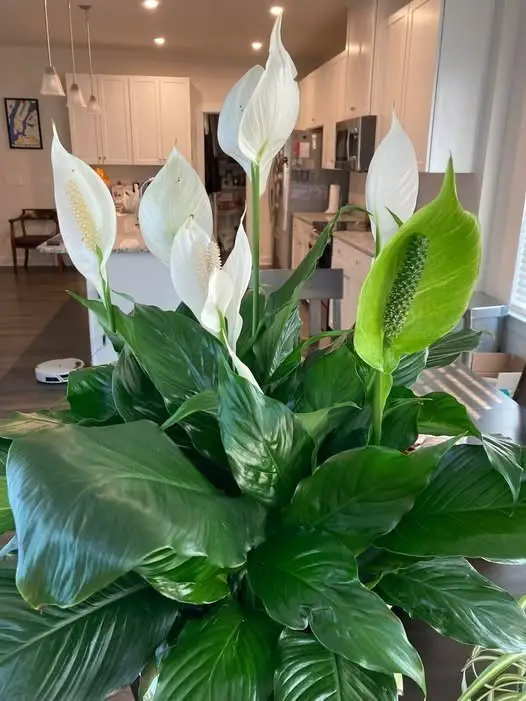
If you’ve ever watched your peace lily unfurl one of its elegant white blooms above a canopy of glossy green leaves, you know how rewarding it feels. Those graceful flowers can brighten an entire room and signal that your plant is thriving.
However, many peace lily owners find themselves caring for healthy-looking plants that refuse to bloom. The good news is that peace lilies aren’t difficult to flower—they simply need the right growing conditions.
With a few adjustments to light, watering, humidity, and care routines, you can encourage your peace lily to produce blooms more regularly and keep it looking its best throughout the year.
Why Peace Lilies Stop Flowering
Before trying to increase flowering, it’s important to understand the most common causes of bloom failure.
Many peace lilies fail to flower because of:
- Insufficient light
- Overwatering
- Poor drainage
- Low humidity
- Temperature fluctuations
- Nutrient deficiencies
- Root crowding
- Lack of proper maintenance
Fortunately, most of these issues are easy to correct.
1. Provide Bright, Indirect Light
One of the biggest misconceptions about peace lilies is that they thrive in low light.
While peace lilies can survive in lower-light conditions, flowering requires significantly more light.
Ideal Locations
The best placement options include:
- Near an east-facing window
- Near a north-facing window with bright ambient light
- Behind a sheer curtain in a south- or west-facing room
Avoid direct afternoon sunlight, which can scorch leaves and stress the plant.
Signs of Proper Lighting
When your peace lily receives adequate light, you may notice:
- Strong upright leaves
- Faster growth
- Rich green foliage
- New flower stalks emerging
If natural light is limited, a full-spectrum grow light can provide an excellent alternative.
2. Master the Watering Routine
Peace lilies enjoy consistently moist soil, but they dislike sitting in water.
The key is finding the balance between dry and soggy conditions.
Proper Watering Technique
Follow these steps:
- Check the top inch or two of soil.
- Water only when it feels slightly dry.
- Water thoroughly until excess drains from the bottom.
- Empty any standing water from saucers after watering.
Warning Signs
Overwatering:
- Yellow leaves
- Mushy stems
- Root rot
Underwatering:
- Drooping leaves
- Crispy edges
- Slow growth
Many growers also find that peace lilies respond well to filtered, distilled, or rainwater because they can be sensitive to chemicals found in some tap water supplies.
3. Increase Humidity Levels
Peace lilies originate in tropical rainforests, where humidity levels remain consistently high.
Most homes, especially during winter, provide significantly drier air than these plants naturally prefer.
Simple Ways to Raise Humidity
Try one or more of the following methods:
- Place plants close together
- Use a pebble tray filled with water
- Run a humidifier nearby
- Lightly mist leaves occasionally
Among these options, a humidifier provides the most consistent results.
Keep Leaves Clean
Dust accumulation can reduce the plant’s ability to absorb light efficiently.
Wipe leaves gently with a damp cloth once every few weeks to maintain healthy growth and improve overall appearance.
4. Maintain Stable Temperatures
Peace lilies perform best when temperatures remain steady.
Ideal Temperature Range
Keep your plant between:
- 65°F and 80°F (18°C to 27°C)
Avoid exposing it to:
- Cold drafts
- Air conditioning vents
- Exterior doors
- Unheated windows
- Sudden temperature swings
Temperatures below 60°F can significantly slow growth and reduce flowering potential.
Because peace lilies dislike abrupt environmental changes, frequent relocation can also delay blooming.
5. Fertilize Properly
Nutrition plays a major role in flower production.
A peace lily growing in the same potting mix for months eventually uses up available nutrients.
Choosing Fertilizer
A balanced fertilizer works well, such as:
- 10-10-10
- 20-20-20
Always dilute to half strength to avoid fertilizer burn.
Feeding Schedule
Feed:
- Once monthly during spring and summer
- Reduce or stop feeding during fall and winter
Over-fertilization can damage roots and actually reduce flowering, so moderation is important.
Organic Alternatives
Many gardeners prefer:
- Worm castings
- Compost tea
- Organic liquid fertilizers
These options provide nutrients more gradually and may help improve soil health over time.
6. Repot When Necessary
Peace lilies generally enjoy being slightly rootbound, but excessive root crowding eventually limits growth and bloom production.
Signs It Needs Repotting
Look for:
- Roots emerging from drainage holes
- Water draining too quickly
- Slowed growth
- Frequent wilting despite watering
Repotting Guidelines
When repotting:
- Choose a container only 1–2 inches larger than the current pot.
- Use well-draining potting soil.
- Consider adding perlite or orchid bark for improved aeration.
Avoid dramatically increasing pot size, as excess soil can retain too much moisture and increase the risk of root rot.
After repotting, allow the plant several weeks to adjust before resuming fertilization.
7. Remove Old Flowers Properly
Pruning spent blooms helps direct the plant’s energy toward producing new growth and future flowers.
How to Deadhead Correctly
When blooms fade and begin turning green or brown:
- Follow the flower stalk down to its base.
- Cut the entire stalk near the crown of the plant.
- Use clean, sharp pruning tools.
Removing only the flower itself leaves the old stalk in place and provides no benefit to future blooming.
Regular grooming also improves the plant’s appearance and overall health.
Frequently Asked Questions
Why Are My Peace Lily Flowers Turning Green?
This is a normal part of the bloom’s aging process. As flowers mature, the white spathe often turns green before eventually fading.
Can I Force a Peace Lily to Bloom?
There is no instant method, but improving light exposure, humidity, and nutrition often encourages flowering within several weeks or months.
Why Are My Blooms Small?
Small flowers typically result from insufficient light, inadequate nutrients, or environmental stress.
Do Peace Lilies Bloom Year-Round?
Under ideal indoor conditions, peace lilies can flower multiple times throughout the year, although many bloom most heavily during spring and summer.
How Long Do Peace Lily Flowers Last?
Individual blooms often remain attractive for several weeks before gradually fading.
Final Thoughts
Peace lilies are among the most rewarding indoor plants because they combine beautiful foliage with elegant blooms. While many people believe these plants flower unpredictably, blooming is usually a response to proper care.
Provide bright indirect light, maintain consistent moisture, increase humidity, fertilize moderately, and keep temperatures stable. With patience and attention to these details, your peace lily can reward you with graceful white flowers again and again.
A thriving peace lily doesn’t require perfection—just the right environment. Give it what it needs, and those iconic blooms will likely return sooner than you think.