
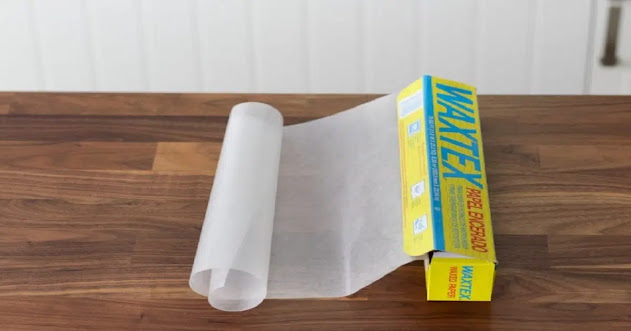
Let’s face it—cleaning the tops of kitchen cabinets feels like a never-ending chore. You wipe away the greasy dust, admire your spotless kitchen for a moment, and then somehow the grime returns almost immediately. Fortunately, there’s a surprisingly simple solution hiding in your kitchen drawer: waxed paper. This old-school trick creates a protective barrier that catches grease, dust, and sticky residue before it settles onto your cabinets. Better yet, replacing it takes seconds instead of hours of scrubbing.
For years, many people struggled with greasy buildup above cabinets, especially in busy kitchens where cooking oils float through the air daily. Then one afternoon during a deep-cleaning session before the holidays, a neighbor shared this simple wax paper trick. At first, it sounded too easy to work. However, after trying it once, the difference became obvious. A month later, the cabinet tops stayed nearly spotless. Instead of scrubbing sticky residue with heavy cleaners, all it took was peeling off the dusty sheets and replacing them. Since then, this method has become one of the easiest cleaning habits to maintain in any kitchen.
Why Grease and Dust Build Up So Quickly
The Hidden Cause of Sticky Cabinet Dirt
Most people assume kitchen cabinet dust comes from regular household dirt. However, the real culprit is airborne cooking grease. Every time you fry, sauté, or bake, tiny oil particles float through the air. Eventually, these particles settle on high surfaces like cabinet tops and refrigerator edges.
Once grease lands, dust sticks to it instantly. Over time, this creates a thick, sticky layer that becomes difficult to remove. Even worse, regular dusters often smear the grime instead of lifting it away. As a result, cleaning becomes frustrating and time-consuming.
Kitchens with poor ventilation experience this problem even faster. Although range hoods help reduce grease particles, they rarely capture everything. Therefore, cabinet tops often become the main collection point for airborne residue.
Why Waxed Paper Works So Well
Waxed paper solves the issue by acting as a disposable barrier between the cabinet surface and the greasy air. The light wax coating naturally attracts dust while repelling moisture and oils. Because of this, the grime settles onto the paper instead of your cabinets.
Unlike bare surfaces, waxed paper can simply be removed and replaced. Consequently, you avoid harsh scrubbing, strong chemicals, and wasted time. In addition, the paper remains nearly invisible once placed on top of cabinets.
Another benefit is affordability. A single roll lasts months, making this one of the cheapest kitchen cleaning tricks available. Plus, installation requires no tools, no adhesives, and almost no effort.
How to Use the Waxed Paper Hack
Step-by-Step Instructions
Using this method takes only a few minutes. First, measure the tops of your cabinets, pantry shelves, or refrigerator. Then cut sheets of waxed paper to fit each surface.
Next, place the sheets flat across the tops. The natural static and wax coating usually keep them in place without tape. However, if your kitchen gets humid, you can lightly secure the corners with removable tape.
After several weeks, simply peel off the paper and throw it away. Most of the grease and dust will disappear with it. Finally, wipe the surface lightly with a damp cloth before applying fresh sheets.
This routine dramatically reduces deep-cleaning sessions. Instead of scrubbing stubborn grime every few months, you spend less than five minutes replacing paper.
Best Places to Use It
Although cabinet tops are the most common location, waxed paper works in many other areas around the kitchen.
Popular spots include:
- Top of refrigerators
- Pantry shelves
- Drawer bottoms
- Under small appliances
- Behind coffee makers
- Around toaster stations
In drawers, waxed paper helps catch crumbs while preventing scratches. Meanwhile, behind appliances, it collects grease splatter that usually becomes difficult to clean later.
Some people even line refrigerator shelves with waxed paper for easier spill cleanup. Once messy, they simply remove the sheet instead of scrubbing sticky stains.
Common Questions About Waxed Paper
Can You Use Parchment Paper Instead?
Many people wonder whether parchment paper works the same way. Unfortunately, it does not. Parchment paper contains a silicone coating designed to resist sticking completely. Because of this, dust and grime slide around instead of clinging to the surface.
Waxed paper performs better because its coating lightly attracts airborne particles. Therefore, it captures grease and dust more effectively.
Additionally, waxed paper tends to stay flatter on cabinet tops. Parchment often curls or shifts more easily over time.
Is Waxed Paper Safe in the Kitchen?
Waxed paper is safe for cabinet tops and pantry shelves as long as it stays away from direct heat. However, you should avoid placing it near stovetop flames, hot oven vents, or toaster openings.
Experts recommend keeping it at least 12 inches away from heat-producing appliances. Since cabinet tops usually sit well above cooking areas, this normally isn’t a problem.
Humidity can sometimes cause slight curling along the edges. Still, the paper remains effective even if it bends slightly. For extra stability, small pieces of removable tape can help secure corners discreetly.
One thing to remember is that waxed paper is disposable. While it might seem tempting to wipe and reuse it, replacement works better and keeps surfaces cleaner overall.
Extra Household Uses for Waxed Paper
Smart Cleaning Tricks Beyond Cabinets
Waxed paper offers far more uses than most people realize. In fact, many households already own a roll without knowing its cleaning potential.
One clever trick involves using waxed paper on sticky drawers or squeaky cabinet tracks. Simply rub the paper along the edges to create smoother movement. The wax coating acts like a gentle lubricant.
Another helpful use involves removing stubborn sticker residue. Rubbing waxed paper over adhesive marks can loosen sticky buildup and make cleanup easier.
People also use it to polish chrome faucets temporarily. The thin wax layer helps repel water spots while adding shine.
Budget-Friendly Organization Ideas
Waxed paper also works well for organizing messy spaces. For example, placing sheets between stacked baking pans prevents scratches. Similarly, lining pantry bins helps contain crumbs and makes cleanup faster.
In craft rooms, waxed paper protects surfaces from glue and paint spills. Meanwhile, in laundry rooms, it can reduce buildup beneath detergent bottles.
Because it’s inexpensive and disposable, it simplifies many household chores without requiring expensive cleaning products.
Better yet, one roll lasts a surprisingly long time. Therefore, this tiny investment saves both effort and money over time.
Frequently Asked Questions
How often should I replace the waxed paper?
Most kitchens only need replacement once every month or two. However, busy cooking spaces may require more frequent changes.
Does this work in humid climates?
Yes. Although humidity may curl the edges slightly, the paper still traps grease and dust effectively.
Can I use tape to secure it?
Absolutely. Small pieces of removable tape work well if the paper shifts.
Will this damage cabinet finishes?
No. Waxed paper sits loosely on top and does not harm painted or wood cabinet surfaces.
Can this reduce cleaning time?
Definitely. Since the grease sticks to the paper instead of cabinets, deep-cleaning becomes much easier and faster.
Final Thoughts
Sometimes the best cleaning tricks are the simplest ones. Waxed paper may seem ordinary, yet this easy method dramatically reduces greasy cabinet buildup with almost no effort. Instead of battling sticky grime every few weeks, you can simply peel away the mess and replace the paper in seconds.
Small household habits often create the biggest difference over time. This trick saves effort, protects surfaces, and keeps kitchens cleaner longer without expensive supplies. Best of all, almost everyone already has a roll sitting in a drawer.
The next time your cabinet tops collect greasy dust, skip the scrubbing marathon. Lay down a few sheets of waxed paper instead and enjoy a cleaner kitchen with far less work.