
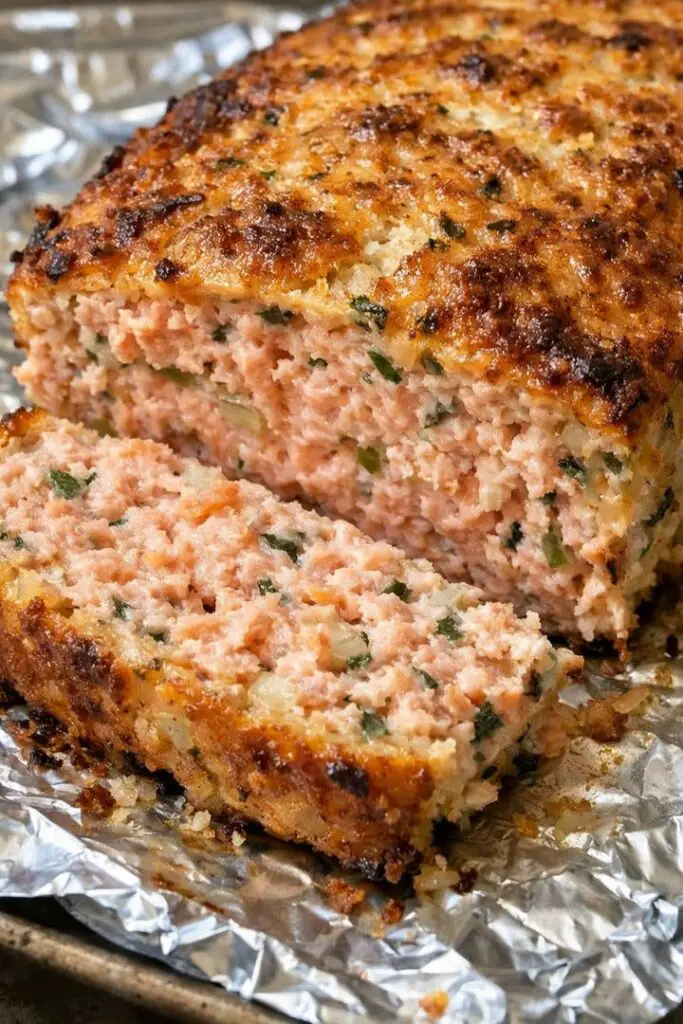
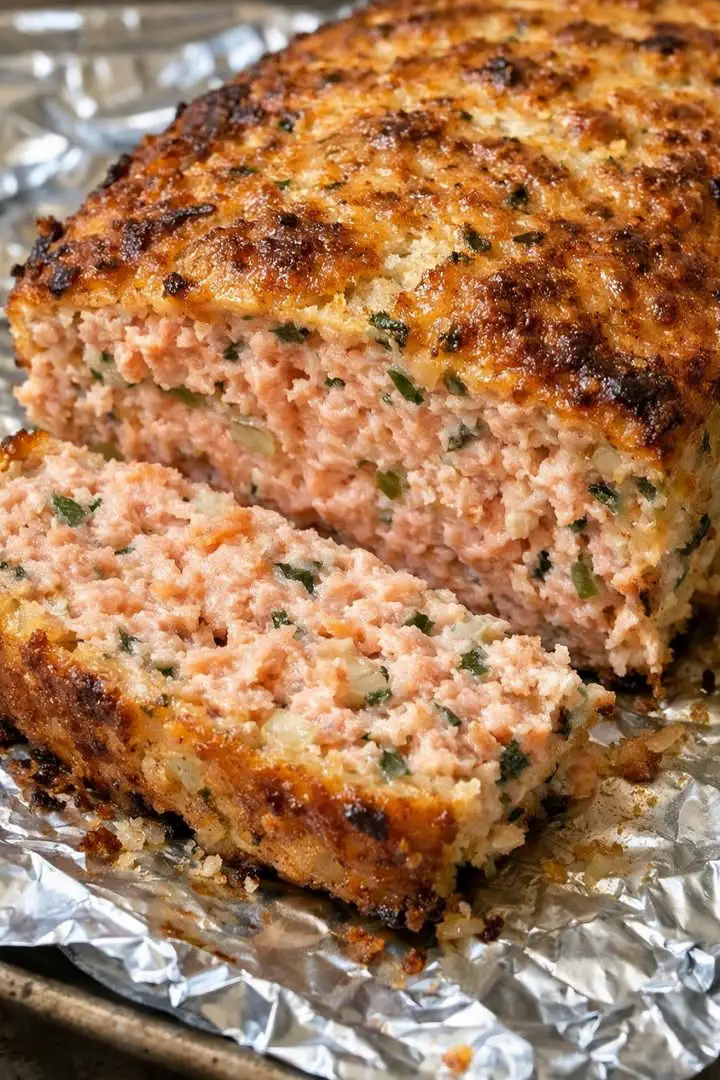
Salmon loaf is one of those comforting meals that brings warmth to the table without requiring complicated steps or expensive ingredients. It combines tender salmon, simple pantry staples, and savory seasonings into a hearty dish that works for weeknight dinners, meal prep, or even casual gatherings. This salmon loaf recipe creates a moist texture with a golden crust while keeping the inside rich and flaky.
The best part is how versatile salmon loaf can be. You can serve it with mashed potatoes, roasted vegetables, fresh salads, or even sliced cold for sandwiches the next day. Since the ingredients are easy to find and the preparation is straightforward, this recipe works perfectly for beginner cooks and busy families alike.
A few years ago, this salmon loaf recipe became a regular part of a Sunday dinner tradition. The aroma filled the kitchen while everyone gathered around waiting for the first slice. Even picky eaters loved the tender texture and savory flavor. Over time, small adjustments made the recipe even better, including fresh parsley, sautéed onion, and a touch of lemon juice. Now it feels like the kind of meal that instantly creates comfort and familiarity. Every time it comes out of the oven with its crispy golden top, it reminds everyone of relaxed family dinners and simple homemade food that never goes out of style.
Ingredients
Equipment
Method
- Preheat the oven to 375°F and line a loaf pan or baking sheet with foil or parchment paper.
- Heat olive oil in a skillet and sauté the diced onion until soft and translucent.
- In a large bowl, combine salmon, breadcrumbs, eggs, milk, parsley, onion, garlic powder, paprika, salt, pepper, and lemon juice.
- Mix gently until the ingredients are fully combined but do not overmix.
- Shape the mixture into a loaf and place it in the prepared pan.
- Bake for 45 to 55 minutes until golden brown and cooked through.
- Allow the salmon loaf to rest for 10 minutes before slicing and serving.
Notes
Why This Salmon Loaf Recipe Works So Well
The Perfect Texture Every Time
One of the biggest reasons people love this salmon loaf recipe is the texture. Many seafood loaves turn dry or crumbly, but this version stays tender and moist. The combination of breadcrumbs, eggs, and milk creates a balanced structure that holds everything together without becoming dense.
Additionally, the salmon remains flaky throughout the loaf. Fresh herbs and finely diced onions distribute flavor evenly while helping keep the mixture soft. Baking the loaf at the right temperature also prevents overcooking, which can quickly dry out seafood dishes.
Another helpful tip is avoiding overmixing. Stir the ingredients just until combined. This simple step keeps the loaf light and delicate rather than compact and heavy.
Because salmon naturally contains healthy oils, it contributes richness to the final dish. Therefore, even reheated leftovers stay flavorful and satisfying.
Budget-Friendly and Easy to Prepare
This salmon loaf recipe also stands out because it uses affordable ingredients. Canned salmon works beautifully, making this an economical option for feeding a family without sacrificing flavor.
Since the preparation requires minimal equipment, cleanup stays simple too. Most of the work involves mixing ingredients in one bowl before shaping the loaf and baking it.
Busy home cooks appreciate how quickly everything comes together. In fact, you can prepare the mixture ahead of time and refrigerate it until ready to bake. That flexibility makes salmon loaf ideal for meal planning and busy evenings.
Furthermore, the ingredients are highly adaptable. You can adjust seasonings, herbs, or vegetables based on personal preference. Therefore, the recipe easily fits different tastes while remaining comforting and dependable.
Ingredients That Build Incredible Flavor
Choosing the Best Salmon
The salmon is the heart of the recipe, so choosing quality fish matters. Canned pink salmon is affordable and convenient, while canned sockeye salmon offers a richer flavor and deeper color.
If you use canned salmon, drain it well before mixing. Removing excess liquid prevents the loaf from becoming soggy. Some people remove the skin and bones, while others leave them in because they soften during cooking and add nutrients.
Fresh cooked salmon also works wonderfully in this salmon loaf recipe. Leftover baked or grilled salmon can create an especially flavorful loaf with a more delicate texture.
Regardless of the type you choose, breaking the salmon into small flakes helps distribute it evenly throughout the mixture.
Seasonings and Add-Ins That Improve Taste
Simple ingredients transform salmon loaf from bland to delicious. Onion adds sweetness and depth, while parsley brightens the overall flavor. Garlic powder, paprika, salt, and black pepper create a savory balance without overpowering the salmon.
Breadcrumbs help bind the mixture while maintaining tenderness. Panko breadcrumbs create a lighter texture, although traditional breadcrumbs work perfectly well too.
Eggs are essential because they hold the loaf together during baking. Meanwhile, milk keeps everything moist and smooth.
Many cooks also enjoy adding celery for crunch or lemon juice for freshness. These additions provide extra flavor while maintaining the classic comfort-food feel that makes salmon loaf so popular.
Step-by-Step Guide for the Best Salmon Loaf
Preparing the Mixture Properly
Start by preheating the oven to 375°F and lining a baking sheet or loaf pan with foil or parchment paper. This step makes cleanup easier and prevents sticking.
Next, sauté diced onions in a small skillet until softened. Cooking the onions first removes harshness and creates a sweeter flavor.
In a large bowl, combine salmon, breadcrumbs, eggs, milk, parsley, cooked onion, and seasonings. Mix gently until the ingredients are evenly distributed.
At this stage, the mixture should feel moist but still hold its shape. If it seems too wet, add a small amount of breadcrumbs. However, avoid adding too much because the loaf can become dry.
Shape the mixture into a loaf and place it on the prepared baking sheet or into the loaf pan. Smoothing the top helps create even browning during baking.
Baking Until Golden and Moist
Bake the salmon loaf for about 45 to 55 minutes. The top should become golden brown while the center remains moist and tender.
Allowing the loaf to rest for several minutes before slicing is important because it helps the structure firm up slightly. As a result, the slices stay intact and easier to serve.
If you enjoy extra crispiness, you can broil the loaf for the final two minutes. However, watch carefully to avoid burning.
Many people like serving salmon loaf with tartar sauce, lemon wedges, or a creamy dill sauce. These simple additions complement the savory flavor beautifully.
Since leftovers store well, this recipe also makes excellent next-day lunches or sandwiches.
Serving Ideas and Helpful Storage Tips
Side Dishes That Pair Beautifully
Salmon loaf pairs well with countless side dishes, making it easy to create a complete meal. Mashed potatoes remain a classic option because they complement the savory richness of the loaf.
Roasted vegetables like carrots, green beans, asparagus, or Brussels sprouts add color and freshness to the plate. Meanwhile, a crisp green salad provides contrast to the warm texture of the salmon loaf.
Rice pilaf or buttered noodles also work nicely for a comforting dinner. If you want something lighter, steamed broccoli with lemon makes an excellent pairing.
Additionally, homemade sauces elevate the meal even more. Creamy dill sauce, garlic aioli, or lemon butter sauce all complement the salmon perfectly.
Storing and Reheating Leftovers
This salmon loaf recipe stores very well, which makes it perfect for meal prep. Once cooled, wrap leftovers tightly or place them in an airtight container.
Refrigerated salmon loaf stays fresh for up to three days. For longer storage, freeze individual slices wrapped securely in plastic wrap and foil.
To reheat, place slices in a 350°F oven until warmed through. This method keeps the texture moist while maintaining the crisp exterior. Microwaving also works, although the crust may soften slightly.
Cold slices can even be used for sandwiches with lettuce and tartar sauce. Therefore, leftovers rarely go to waste.
Because the flavors continue developing overnight, many people think salmon loaf tastes even better the next day.
Frequently Asked Questions
Can I use fresh salmon instead of canned salmon?
Yes. Fresh cooked salmon works beautifully in this salmon loaf recipe. Simply flake the cooked fish before mixing it with the other ingredients.
Why does my salmon loaf fall apart?
Salmon loaf usually falls apart when there are not enough binding ingredients. Eggs and breadcrumbs help hold everything together properly.
Can I make salmon loaf ahead of time?
Absolutely. You can prepare the loaf mixture several hours ahead and refrigerate it until ready to bake.
What sauce goes best with salmon loaf?
Creamy dill sauce, tartar sauce, lemon butter sauce, and garlic aioli all pair wonderfully with salmon loaf.
Can I freeze salmon loaf?
Yes. Wrap slices tightly and freeze for up to two months. Reheat in the oven for the best texture.
Conclusion
This salmon loaf recipe delivers comforting flavor, simple preparation, and dependable results every single time. The moist texture, golden crust, and savory seasonings create a satisfying meal that feels both nostalgic and practical. Since the ingredients are affordable and flexible, this recipe easily fits busy schedules and family dinners alike.
Whether you serve it fresh from the oven with mashed potatoes or enjoy leftovers the next day, salmon loaf remains a timeless dish that never disappoints. With just a few pantry staples and simple techniques, you can create a flavorful homemade meal that feels warm, hearty, and comforting from the very first bite.