Introduction
3-Ingredient Depression Era Potato Candy: Nana Clara swore this was her 3 ingredient miracle when money was tight. I never believed her until I watched an entire platter disappear at the family picnic. is one of those old-fashioned recipes that surprises people every single time. It turns humble pantry staples into a sweet, creamy pinwheel candy that feels far more special than its ingredients suggest.
Because it uses only mashed potatoes, powdered sugar, and peanut butter, this candy became a clever solution during hard times when families still wanted something homemade and comforting. Over the years, it has transformed from a necessity recipe into a nostalgic treat that shows up at gatherings, holidays, and potlucks.
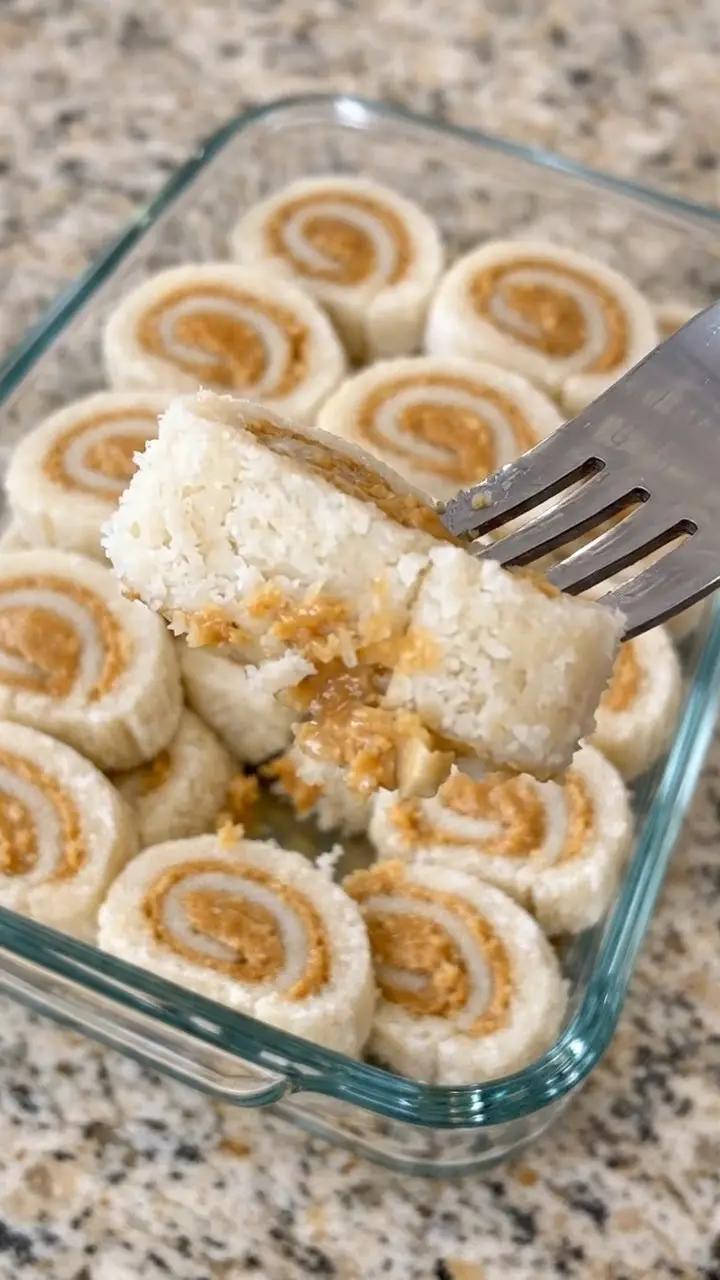
Even though it sounds unusual at first, the result is smooth, sweet, and melt-in-your-mouth soft with a rich peanut butter swirl. Once chilled and sliced, it becomes a beautiful platter of pinwheel candies that vanish faster than expected.
This recipe carries a sense of history with it. It reminds many families of simpler kitchens, where creativity mattered more than abundance. Every bite feels like a small piece of that tradition preserved.
I still remember the first time I saw it being made at a family gathering. Nana Clara stood at the counter with quiet confidence, mashing and measuring without a recipe card in sight. She didn’t talk much about it—she just worked. I remember thinking it looked too strange to be good. Mashed potatoes in candy? It didn’t make sense to me at all. But when she sliced the chilled log into perfect spirals and set them on a glass plate, people started gathering around before she even finished. By the time I grabbed one, half the plate was already gone. One bite changed my mind completely. It was sweet, soft, and surprisingly familiar, like peanut butter fudge with a nostalgic twist. That moment made me understand why she never doubted it.
Ingredients
Equipment
Method
- Ensure mashed potatoes are plain and fully cooled.
- Mix mashed potatoes with powdered sugar gradually until a soft dough forms.
- Adjust texture with more sugar or slight moisture as needed.
- Chill dough for 20–30 minutes before rolling.
- Roll dough, spread peanut butter, and form into a tight log.
- Chill until firm, slice into pinwheels, and serve chilled.
Notes
A Humble Candy Born From Necessity
The history behind simple ingredients
3-Ingredient Depression Era Potato Candy comes from a time when families had to stretch every ingredient as far as possible. Sugar, potatoes, and peanut butter were affordable and accessible, which made them ideal for creative home cooking.
Because mashed potatoes act as a neutral base, they blend smoothly with powdered sugar to form a pliable dough. This clever technique allowed families to create sweets without expensive ingredients like butter or cream. Over time, what started as a survival recipe became a cherished tradition passed down through generations.
Even today, the recipe remains a reminder of resilience. It shows how creativity in the kitchen can turn basic foods into something memorable and meaningful.
Why potatoes work in candy
At first, potatoes in candy sound unusual. However, their neutral flavor and soft texture make them perfect for forming the base of this dough. When mashed smoothly and cooled, they combine with powdered sugar to create a soft, workable consistency.
The starch in potatoes binds with the sugar, forming a dough that can be rolled and shaped just like traditional candy fillings. Because the flavor of the potato fades under the sweetness, most people never notice it is there.
This transformation is what makes the recipe so fascinating. A simple vegetable becomes the foundation for a nostalgic dessert that feels completely different from its origin.
Building the Perfect Candy Dough
Starting with smooth mashed potatoes
The first step in making 3-Ingredient Depression Era Potato Candy is preparing the mashed potatoes correctly. They must be plain, smooth, and completely cooled. Any butter, milk, or seasoning can affect the texture and flavor of the final candy.
Once the potatoes are ready, powdered sugar is added gradually. At first, the mixture looks loose and unusual, but as more sugar is incorporated, it begins to transform into a soft dough. The key is patience. Each addition changes the texture slightly until it becomes workable and smooth.
Because moisture levels in potatoes can vary, the exact amount of sugar may differ. The goal is a dough that is soft but not sticky, similar to sugar cookie dough.
Achieving the right consistency
Consistency is everything in this recipe. If the dough is too sticky, additional powdered sugar is added in small amounts until it firms up. If it becomes too dry, a light touch of moisture from clean hands can help bring it back together.
Once the dough reaches the right texture, it should be easy to roll without sticking excessively. It should hold its shape but still feel pliable enough to spread peanut butter later.
Chilling the dough briefly helps it firm up further, making it easier to handle during rolling. This step also improves the final structure of the candy log.
Rolling, Filling, and Creating the Pinwheel Swirl
Spreading the peanut butter layer
Once the dough is chilled and rolled out, it is ready for filling. Peanut butter is spread evenly across the surface, creating a rich layer that contrasts with the sweet dough.
Because the dough is delicate, the peanut butter should be spread gently to avoid tearing. Leaving a small border around the edges helps prevent overflow when rolling.
This step is what creates the signature swirl pattern that makes the candy visually appealing. The combination of white dough and brown peanut butter creates a classic pinwheel effect once sliced.
Rolling into a tight log
Rolling the dough is a careful but rewarding step. Starting from one side, the dough is lifted and rolled tightly into a log shape. The goal is to keep it compact so the swirl holds together.
If small cracks appear, they can be smoothed by gently pressing the dough back together. Because the dough is forgiving, minor imperfections do not affect the final result.
Once rolled, the log is wrapped and chilled until firm. This step is essential because it helps the candy maintain its shape during slicing.
Chilling, Slicing, and Serving Tradition
Firming the candy for clean slices
After rolling, the log is chilled until it becomes firm enough to slice cleanly. This step ensures that each piece holds its shape and reveals a clear swirl pattern inside.
When the log is ready, a sharp knife is used to cut even slices. Wiping the blade between cuts helps keep edges neat and prevents sticking.
Each slice reveals a beautiful spiral of white and peanut butter, creating a simple but nostalgic presentation. Because the candy softens slightly at room temperature, chilling before serving helps maintain structure.
Serving at gatherings and holidays
3-Ingredient Depression Era Potato Candy is often served on glass trays where the swirl pattern can be seen clearly. It is a popular addition to holiday dessert tables, picnics, and family gatherings.
Because it is very sweet, small pieces are usually enough. It pairs well with coffee, tea, or cold milk, depending on the setting. At larger gatherings, it often sits beside cookies, fudge, or salty snacks to create contrast.
Its charm lies in its simplicity. Even though it uses humble ingredients, it feels special when arranged neatly on a serving dish.
Variations, Storage, and Family Traditions
Simple variations for different tastes
While the traditional version uses peanut butter, variations are easy to create. Nut butters like almond or sunflower seed butter can be used for dietary needs. Sweet spreads like chocolate hazelnut or cookie butter also work well.
Some families dust the finished slices with powdered sugar for a snowy look. Others roll thinner dough for smaller bite-sized pieces, especially for children.
Because the base recipe is flexible, it can be adapted while still preserving its nostalgic character.
Storing and preserving freshness
This candy stores best in the refrigerator. Because it contains mashed potatoes, it should always be kept chilled and covered to maintain freshness.
When properly stored, it can last several days without losing texture. It can also be frozen for longer storage, then thawed in the refrigerator before serving.
For best results, it should not be left out at room temperature for extended periods, especially in warm environments.
FAQ
Does the potato flavor show up in the candy?
No, the flavor is completely masked by the sugar and peanut butter.
Can I use instant mashed potatoes?
Fresh mashed potatoes work best, but plain instant potatoes can be used if prepared without seasoning.
Why is my dough too sticky?
Add more powdered sugar gradually until the dough becomes firm and workable.
Can this candy be made ahead of time?
Yes, it is actually better when chilled overnight before slicing and serving.
How long does it last in the fridge?
It stays fresh for about 3 to 5 days when stored properly in a sealed container.
Conclusion
3-Ingredient Depression Era Potato Candy: Nana Clara swore this was her 3 ingredient miracle when money was tight. I never believed her until I watched an entire platter disappear at the family picnic. continues to be a powerful reminder that simple ingredients can create lasting memories. Because it transforms everyday pantry items into something sweet and beautiful, it carries both history and comfort in every slice.
This recipe is more than just a nostalgic dessert. It is a reflection of resourcefulness, family tradition, and the ability to create joy from very little. Whether served at holidays or quiet gatherings, it always brings people back for one more piece.
More Comfort Food
- People Are Spotting a “Hidden Detail” in the Coca-Cola Logo: Here’s What It Really Means
- A Small Act of Kindness That Changed an Ordinary Day
- The Mystery of Lobster’s Green Goodies: What That Green Paste Really Is (And Whether You Should Eat It)
- Seniors: The Truth About the “Sad News” for Drivers Over 70 (And Why You Don’t Need to Panic)