
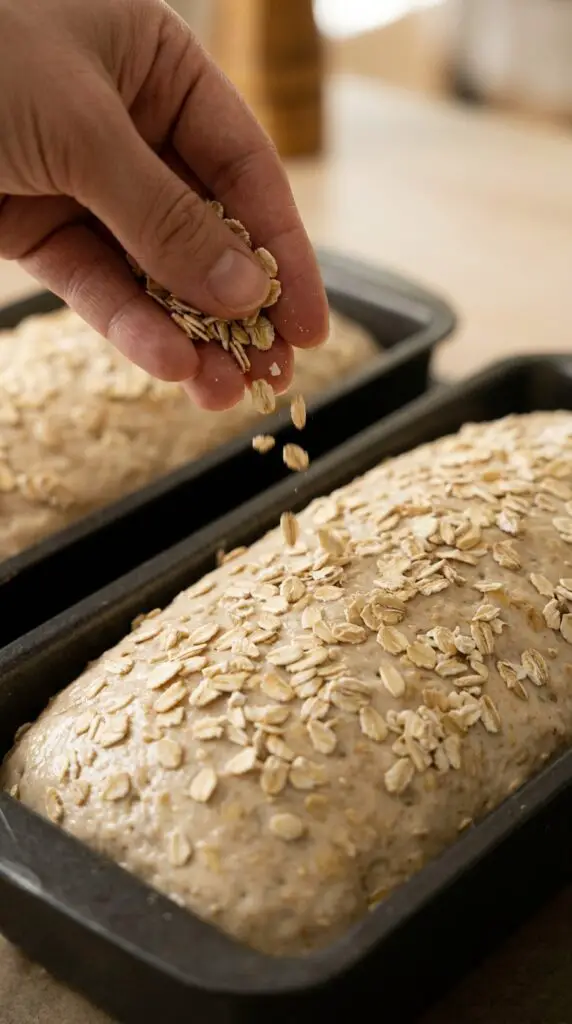
The Farmhouse Loaf: Mastering Amish White Bread brings the comforting aroma and soft texture of traditional homemade bread straight into your kitchen. This classic loaf features a fluffy interior, lightly golden crust, and rich buttery flavor that makes every slice perfect for sandwiches, toast, or simply enjoying warm with butter.
Unlike rustic artisan loaves with thick crusts, Amish White Bread focuses on softness and tenderness from the first slice to the last. The slightly sweet flavor and pillowy crumb make it one of the most loved homemade bread recipes because it feels comforting, nostalgic, and incredibly versatile.
One chilly afternoon, I decided to bake bread from scratch after remembering the warm homemade loaves my grandmother used to serve at dinner. As the dough rose near the kitchen window, the entire house filled with the rich smell of yeast and butter. By evening, we sliced into the fresh loaf while it was still slightly warm, spreading soft butter over thick slices that practically melted in our hands. Since then, this Amish White Bread recipe has become a favorite in our home because it always creates soft, comforting bread that tastes like pure homemade goodness.
Why Amish White Bread Is So Special
Soft Texture and Rich Flavor
The Farmhouse Loaf: Mastering Amish White Bread stands out because of its incredibly soft texture and delicate buttery sweetness. Unlike crusty bakery-style breads, this loaf stays tender from edge to center, making it ideal for everyday use.
Milk, butter, and sugar enrich the dough while creating a fluffy crumb that feels soft and moist. Every slice tastes comforting and balanced without feeling overly heavy or dense.
Additionally, the slightly sweet flavor pairs beautifully with both savory and sweet toppings. Whether used for sandwiches, French toast, or simple buttered toast, Amish White Bread adapts perfectly to nearly every meal.
The smooth, pillowy texture also makes this loaf especially popular with families because even children love its softness and mild flavor.
Homemade Bread Creates Comfort
Few kitchen experiences feel as rewarding as baking homemade bread. Watching dough rise and smelling fresh bread in the oven creates a warm and comforting atmosphere throughout the home.
The Farmhouse Loaf: Mastering Amish White Bread transforms simple pantry ingredients into something deeply satisfying and homemade. Unlike store-bought bread filled with preservatives, homemade bread tastes fresher and richer while allowing complete control over ingredients.
Many people also find bread-making relaxing because the kneading and rising process encourages patience and simplicity. The final reward is a beautiful golden loaf with unmatched homemade flavor and aroma.
Essential Ingredients for Amish White Bread
Pantry Staples Build Perfect Dough
The Farmhouse Loaf: Mastering Amish White Bread uses basic ingredients that work together to create a soft and flavorful loaf.
Active dry yeast helps the bread rise while creating its airy texture. Warm water activates the yeast and begins the fermentation process that gives homemade bread its signature flavor and structure.
Warm milk enriches the dough and contributes softness throughout the loaf. Sugar feeds the yeast while adding subtle sweetness that balances the buttery flavor.
Butter creates tenderness and richness while also helping keep the bread soft after baking. Salt strengthens gluten and enhances the overall flavor of the bread.
All-purpose flour forms the structure of the dough. Gradually adding flour allows better texture control because humidity and temperature can affect how much flour the dough absorbs.
Understanding Yeast and Dough Texture
Working with yeast may seem intimidating at first, but it becomes simple with a few basic tips. Proper water temperature is extremely important because water that is too hot can kill the yeast, while water that is too cool may prevent activation.
When activated correctly, the yeast mixture becomes foamy and bubbly within several minutes. This indicates healthy yeast that will help the dough rise properly.
The dough itself should feel soft and slightly tacky but still manageable. Adding too much flour often creates dry, dense bread instead of a soft loaf.
Kneading also plays a major role because it develops gluten, which gives bread its elasticity and structure. Well-kneaded dough feels smooth, stretchy, and slightly springy when pressed gently.
Step-by-Step Instructions for Perfect Bread
Mixing and Kneading the Dough
Begin by activating the yeast in warm water with a small amount of sugar. Allow the mixture to sit until foamy before continuing.
Next, combine the warm milk, melted butter, sugar, and salt with the yeast mixture. Stir gently until fully blended.
Gradually add flour while mixing until a soft dough forms. Once the dough becomes difficult to stir, transfer it to a lightly floured surface for kneading.
Knead the dough for approximately 8 to 10 minutes until smooth and elastic. Proper kneading develops strength while creating the soft structure Amish White Bread is known for.
The dough should become less sticky while remaining soft and flexible.
Rising and Baking the Loaf
Place the kneaded dough into a greased bowl and cover it with a clean towel or plastic wrap. Allow the dough to rise in a warm area until doubled in size.
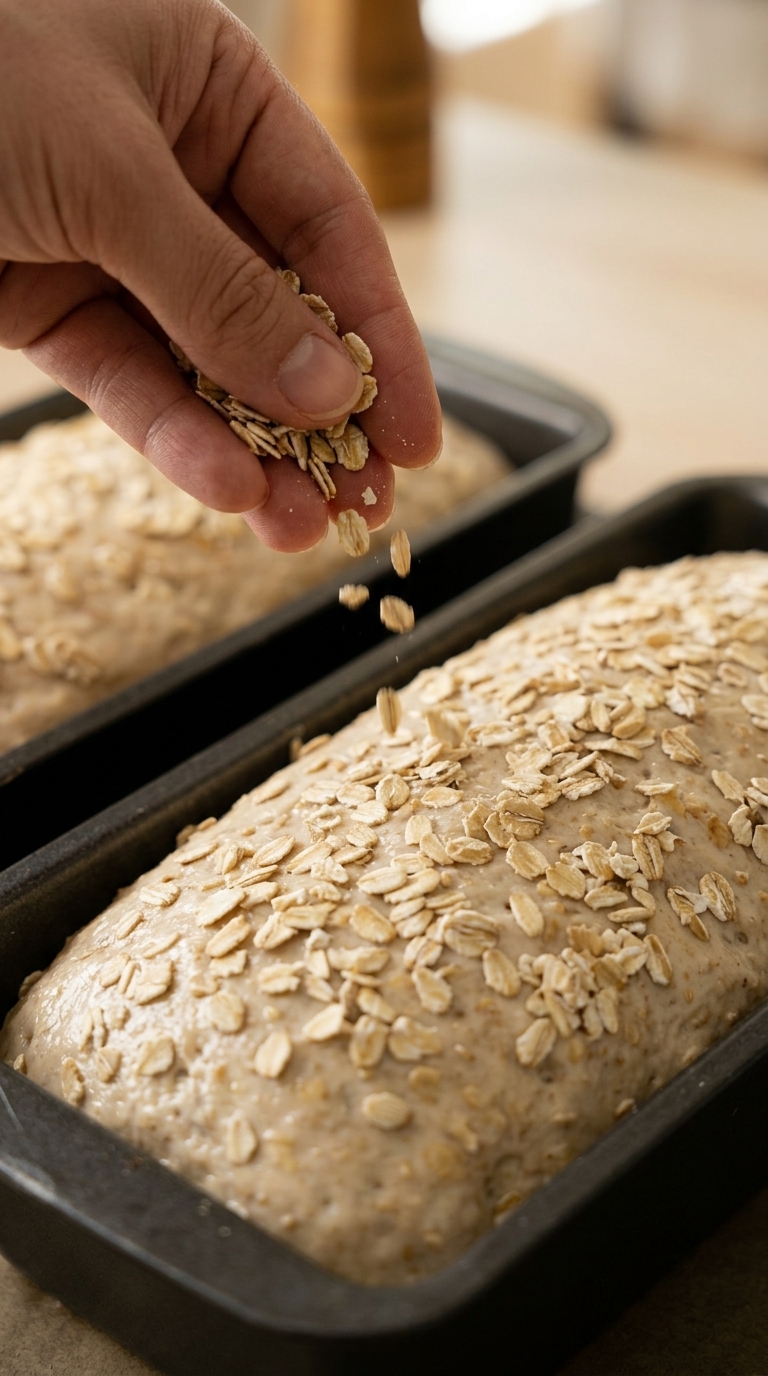
After the first rise, gently punch down the dough to release trapped air. Shape it into a loaf and place it inside a greased loaf pan.
Cover again and allow the dough to rise until it expands above the edge of the pan. Meanwhile, preheat the oven fully for even baking.
Bake the loaf until golden brown and fully cooked through. The bread should sound slightly hollow when tapped gently on the bottom.
Once baked, remove the bread from the pan immediately and cool it on a wire rack before slicing.
The finished loaf should feature a golden crust with an incredibly soft and fluffy interior.
Serving Ideas, Storage, and Helpful Tips
Best Ways to Enjoy Amish White Bread
The Farmhouse Loaf: Mastering Amish White Bread works beautifully for breakfast, lunch, dinner, or snacks.
Serve warm slices with butter, jam, or honey for a simple and comforting breakfast. The soft texture also creates excellent sandwiches because it stays tender while holding fillings well.
This bread makes incredible French toast, grilled cheese sandwiches, garlic bread, and homemade croutons. Thick slices toasted lightly develop crisp edges while remaining soft inside.
Because the flavor remains mild and buttery, the bread pairs wonderfully with soups, stews, roasted meats, and pasta dishes.
Storage and Freezing Tips
Allow the bread to cool completely before storing. Trapping steam inside storage containers too early may create soggy texture.
Store the loaf in an airtight bag or bread box at room temperature for up to four days. Avoid refrigeration because cold temperatures often dry out bread more quickly.
For longer storage, freeze the loaf whole or sliced. Wrapping the bread tightly helps preserve freshness and texture for several months.
When reheating, warm slices briefly in a toaster or oven for fresh-baked softness and flavor.
If the crust becomes firmer after storage, brushing warm bread lightly with melted butter helps restore tenderness beautifully.
Frequently Asked Questions
Why did my bread not rise properly?
Inactive yeast, cold temperatures, or too much flour can prevent proper rising.
Can I use bread flour instead of all-purpose flour?
Yes. Bread flour creates slightly chewier texture while still working well.
How do I know when the bread is fully baked?
The loaf should appear golden brown and sound hollow when tapped.
Can I freeze homemade bread?
Absolutely. Wrap tightly and freeze for up to three months.
Why is my bread dense?
Dense bread usually results from insufficient kneading or adding too much flour.
Ingredients
Equipment
Method
- Activate yeast in warm water with a pinch of sugar until foamy.
- Add warm milk, sugar, melted butter, and salt to the yeast mixture.
- Gradually mix in flour until a soft dough forms.
- Knead dough for 8–10 minutes until smooth and elastic.
- Place dough in a greased bowl and let rise until doubled in size.
- Punch down dough, shape into a loaf, and place in a greased loaf pan.
- Allow dough to rise again until it expands above the pan edge.
- Bake at 375°F for 30–35 minutes until golden brown.
- Cool completely before slicing and serving.
Notes
Conclusion
The Farmhouse Loaf: Mastering Amish White Bread proves that simple homemade baking can create incredibly comforting and satisfying results. With its fluffy interior, rich buttery flavor, and soft texture, this classic loaf delivers timeless homemade goodness in every slice.
Because the recipe uses simple ingredients and beginner-friendly techniques, it quickly becomes a dependable favorite for everyday baking. Whether served warm with butter or used for sandwiches and toast, Amish White Bread always brings warmth, comfort, and homemade flavor to the table.