
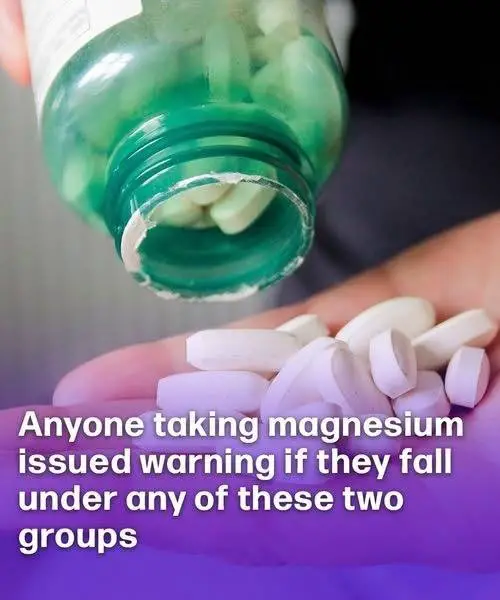
Magnesium Supplements — Critical Warnings for Two High-Risk Groups (Don’t Skip This) is something many people overlook while trying to improve sleep, reduce cramps, or boost energy. Magnesium is essential for hundreds of body functions, but more isn’t always better. In fact, for certain people, it can do more harm than good if taken without proper awareness.
I used to think supplements were harmless—just something you add to feel better. But after learning how minerals like magnesium interact with medications and organs, I realized how important timing and context really are. What helps one person can seriously affect another.
Why Magnesium Matters in the Body
A Vital Mineral with Powerful Effects
Magnesium plays a role in over 300 processes in the body, including:
- Muscle function
- Nerve signaling
- Blood pressure regulation
- Sleep support
Because of this, many people take it daily without a second thought.
The Hidden Risk: Interactions
Magnesium doesn’t just “work on its own.” It can interact with medications and your body’s systems in ways that reduce effectiveness or even create dangerous imbalances.
⚠️ High-Risk Group 1: People Taking Certain Medications
How Magnesium Interferes
Magnesium can bind with certain medications, making them less effective or altering how they work.
According to the reference guide , key interactions include:
- Antibiotics → reduced absorption
- Osteoporosis medications → weakened effectiveness
- Diuretics → can either lower or dangerously increase magnesium levels
- Proton pump inhibitors → mask underlying deficiencies
- Muscle relaxants (during surgery) → increased effects
Safe Practices
- Take magnesium at least 2–4 hours apart from medications
- Always inform your doctor about supplements
- Never adjust medication timing without guidance
⚠️ High-Risk Group 2: People with Kidney Issues
Why Kidneys Matter
Your kidneys control magnesium levels by filtering excess out of your body. When they don’t work properly, magnesium can build up to dangerous levels.
What the Data Shows
From the same source :
- Moderate kidney impairment → increased risk of buildup
- Severe kidney disease → toxic levels possible
- Dialysis patients → very high risk without supervision
Possible Symptoms of Too Much Magnesium
- Muscle weakness
- Low blood pressure
- Confusion or drowsiness
- Irregular heartbeat
These are serious warning signs that require immediate medical attention.
Safe Ways to Take Magnesium (If You’re Not High-Risk)
Choose the Right Type
Different forms serve different purposes:
- Magnesium glycinate → gentle, good for sleep
- Magnesium citrate → helpful for constipation
- Magnesium oxide → low absorption, less effective
- Magnesium threonate → supports brain function
Timing Matters
- Take with food to reduce stomach upset
- Separate from medications
- Evening use may support better sleep
Stick to Safe Dosage
- Recommended intake: about 310–420 mg daily (from food + supplements)
- Supplement limit: 350 mg per day unless directed by a doctor
The Role of Diet First
Natural Magnesium Sources
Before turning to supplements, consider food:
- Pumpkin seeds
- Spinach
- Beans
- Nuts
Food sources are safer and easier for the body to regulate.
When to Stop and Seek Help
Warning Signs You Should Never Ignore
Stop taking magnesium and contact a doctor if you experience:
- Difficulty breathing
- Severe fatigue or confusion
- Chest pain
- Loss of reflexes
These could signal magnesium toxicity.
Frequently Asked Questions
Is magnesium safe for everyone?
No. It’s safe for most, but risky for certain groups.
Can I take magnesium daily?
Yes, if you’re healthy and stay within recommended limits.
Should I take magnesium with vitamin D?
Yes, they work together, but balance is important.
What’s the best time to take it?
Evening is common, especially for sleep support.
Can I take magnesium with antibiotics?
Yes, but separate doses by several hours.
Conclusion
Magnesium Supplements — Critical Warnings for Two High-Risk Groups (Don’t Skip This) highlights an important truth: even essential nutrients require care. Magnesium can support your health—but only when used correctly.
If you’re taking medications or have kidney concerns, don’t guess—get professional guidance.
Because real wellness isn’t just about what you take… it’s about knowing when, how, and if you should take it at all.