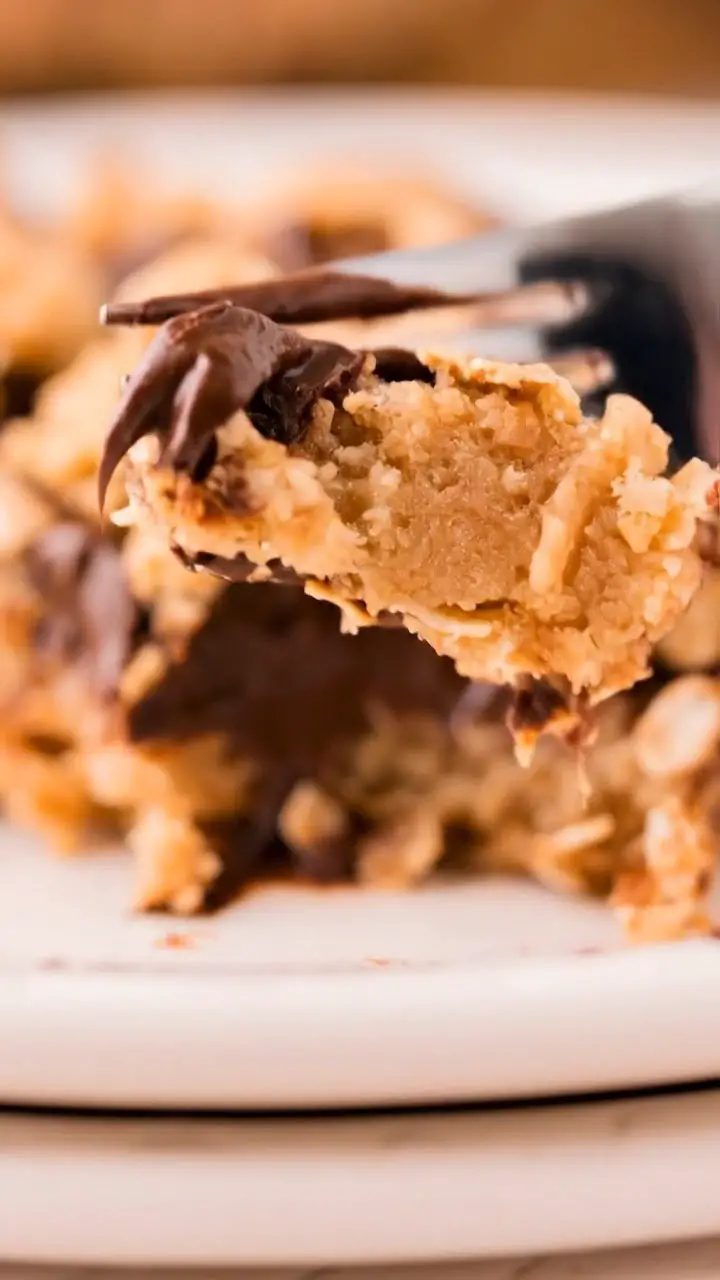
Mediterranean Cookies are the kind of treat that surprises you from the very first bite. They look like classic oatmeal cookies at a glance, but the flavor tells a different story. With chewy oats, sweet dates, crunchy walnuts, and a subtle hint of olive oil, these cookies bring a warm, rich depth that feels both comforting and unique. If you love cookies with texture and character, this recipe will quickly earn a permanent place in your kitchen.
These cookies were inspired by a bakery favorite that always stood out because of its hearty texture and layered flavors. After many test batches at home, the result became a version that leans even more into chewiness and richness. Every bite delivers something slightly different—sweet, nutty, and just a little unexpected in the best way.
There’s something special about baking cookies that feel a little out of the ordinary. Mediterranean Cookies do exactly that. They combine familiar ingredients in a way that feels new, yet still comforting enough to enjoy with a glass of milk or a cup of coffee. They’re simple, but never boring, and that balance is what makes them unforgettable.
The first time these cookies were baked in a home kitchen, it wasn’t planned as a “perfect” recipe moment. It came from a quiet afternoon of experimenting with pantry staples and trying to recreate a bakery favorite. The dough felt heavy and textured, filled with oats, nuts, and sticky dates that made it almost feel like a granola bar in cookie form. The first tray came out slightly uneven, but the aroma filled the entire kitchen. After one bite, everything changed. The chewiness, the soft sweetness, and the subtle richness of olive oil created something far better than expected. From that moment on, the recipe kept evolving until it became a reliable favorite that never lasts more than a day in the cookie jar.
Ingredients
Equipment
Method
- Cream butter and sugars until smooth and fluffy.
- Mix in vanilla, olive oil, and eggs until combined.
- Combine dry ingredients separately, then mix into wet ingredients.
- Fold in oats, walnuts, coconut, and dates.
- Chill dough for 10–15 minutes.
- Scoop dough and bake at 350°F for about 10 minutes.
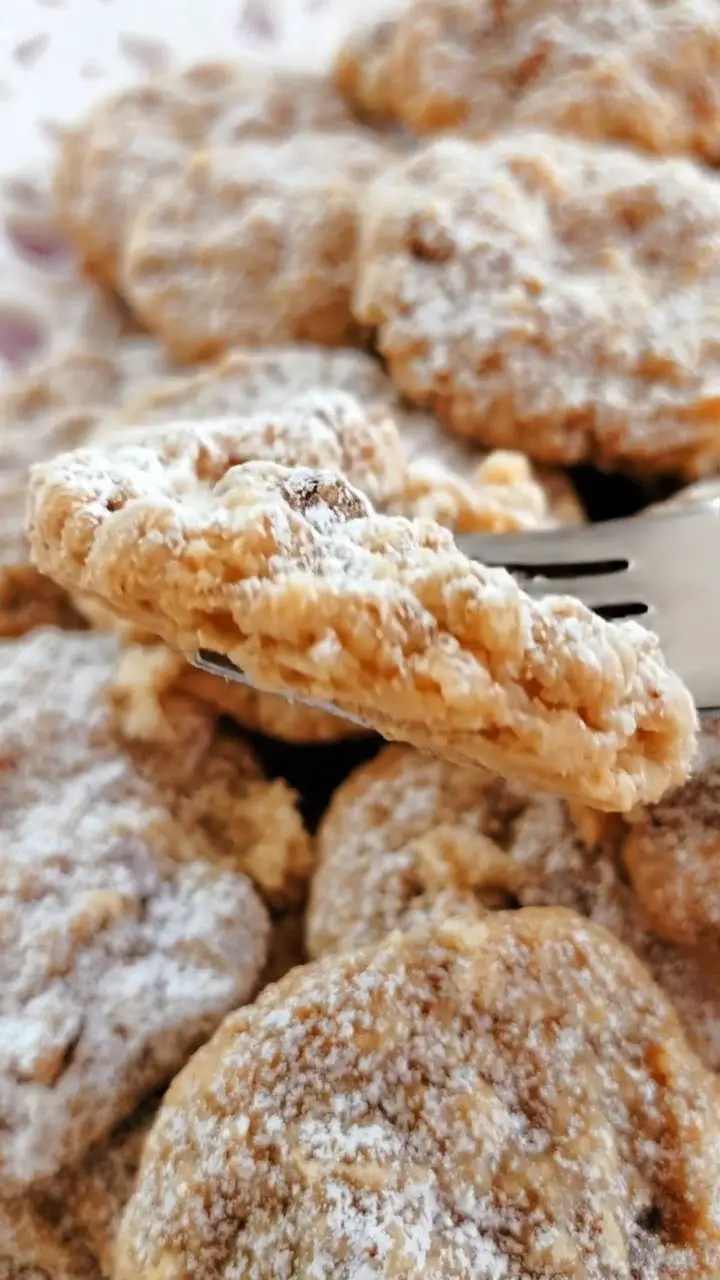
- Cool and dust with powdered sugar before serving.
Notes
Why Mediterranean Cookies Stand Out
A Unique Blend of Ingredients
Mediterranean Cookies are not your typical oatmeal cookies. Instead, they combine ingredients that each bring their own personality. The oats provide structure and chew, while the dates add natural sweetness and a soft, sticky texture. Walnuts contribute crunch, and coconut brings a subtle tropical note that balances everything beautifully.
What truly sets these cookies apart is the addition of extra virgin olive oil. While butter gives richness, olive oil introduces a mild, earthy undertone that deepens the flavor profile. It doesn’t overpower the cookie; instead, it quietly enhances everything else.
Because of this combination, every bite feels layered. You don’t just taste sweetness—you experience texture, warmth, and depth all at once. That balance is what makes these cookies memorable.
A Chewy Texture That Delivers
Texture is everything in these cookies. They are intentionally made to be thick, chewy, and slightly chunky. Unlike crisp cookies that snap, these hold their shape while staying soft in the center.
The oats play a major role here, absorbing moisture and creating that satisfying chew. Meanwhile, the dates melt slightly during baking, adding pockets of softness throughout the cookie. This contrast between chewy oats and tender fruit makes the texture feel dynamic and satisfying.
As a result, Mediterranean Cookies are the kind of treat that keeps you reaching for another one—not because they’re sweet alone, but because the texture keeps you curious.
Building the Perfect Cookie Dough
Creaming for Structure and Flavor
The base of Mediterranean Cookies starts with a simple creaming process. Butter and sugars are mixed until smooth and fluffy, creating the foundation for a rich dough. This step is important because it helps build structure and ensures even sweetness throughout.
Once the eggs, vanilla, and olive oil are added, the mixture becomes silky and aromatic. The olive oil blends seamlessly with the butter, creating a soft richness that enhances the overall flavor without making the cookies heavy.
This stage is where the dough starts to develop its signature character. Even before the dry ingredients are added, the aroma alone hints at something special.
Dry Ingredients and Add-Ins
The dry ingredients bring everything together. Flour, baking soda, baking powder, salt, and oats form the backbone of the dough. Once mixed, the texture becomes thick and slightly dense, which is exactly what you want.
After that, the add-ins take over. Walnuts, coconut, and chopped dates are folded in until evenly distributed. Each ingredient plays a role in creating contrast—crunch, chew, and sweetness all working together.
Because the dough is loaded with mix-ins, it benefits from a short chill before baking. This helps firm it up and ensures the cookies bake evenly without spreading too much.
Baking Mediterranean Cookies to Perfection
Shaping and Preparing the Dough
Once chilled, the dough is scooped into even portions and placed on a baking sheet. Since the cookies don’t spread dramatically, they can be placed fairly close together, but still need space to bake evenly.
At this stage, the dough feels thick and hearty. It holds its shape well, which is a good sign that the final cookies will have that signature chewy texture.
Before baking, a short rest in the refrigerator helps the oats absorb moisture. This small step improves both texture and flavor, making the final cookies more cohesive.
Baking and Finishing Touches
The cookies bake at a moderate temperature until the edges turn lightly golden. The centers may look slightly soft when removed from the oven, but they continue to set as they cool.
Letting them rest on the baking sheet is important. This allows the structure to firm up without drying out. After a few minutes, they are transferred to a cooling rack and lightly dusted with powdered sugar.
That final dusting adds a gentle sweetness and a soft visual finish. It also balances the richness of the dough, creating a perfect final touch.
Tips for the Best Mediterranean Cookies
Ingredient Swaps and Adjustments
Mediterranean Cookies are flexible, which makes them easy to adapt. Walnuts can be replaced with pecans or pistachios for a different nutty profile. Dates can be swapped with raisins or dried cranberries if needed.
If you prefer a less sweet cookie, the sugar can be slightly reduced without affecting texture too much. However, keeping the balance of ingredients is key to maintaining the chewy structure.
Even the olive oil can be adjusted. While it adds a signature flavor, it can be omitted if desired, though the cookies will lose a bit of their unique depth.
Storage and Freshness
These cookies store well in an airtight container at room temperature. Their texture actually improves slightly after a day, as the flavors continue to blend.
They also freeze well, making them a great make-ahead option. Once thawed, they retain their chewiness and rich flavor, making them just as enjoyable as fresh-baked cookies.
Because of their hearty texture, they are perfect for packing, gifting, or enjoying over several days without losing quality.
Frequently Asked Questions
What makes Mediterranean Cookies different from regular oatmeal cookies?
They include olive oil, dates, coconut, and nuts, creating a richer and more textured cookie.
Can I make these cookies less sweet?
Yes, reducing the sugar slightly still works without affecting structure.
Do I have to use olive oil?
No, but it adds a subtle flavor that makes these cookies unique.
Can I freeze the dough?
Yes, the dough freezes well and can be baked directly from frozen with slight timing adjustments.
What can I use instead of dates?
Raisins or dried cranberries work well as substitutes.
Conclusion
Mediterranean Cookies bring together simple ingredients in a way that feels both familiar and exciting. Their chewy texture, rich mix-ins, and subtle olive oil flavor create a cookie that stands apart from traditional recipes. They are easy to make, adaptable, and consistently satisfying.
Whether enjoyed fresh from the oven or saved for later, these cookies deliver comfort and character in every bite. Once you try them, they quickly become more than just another cookie recipe—they become a lasting favorite.