
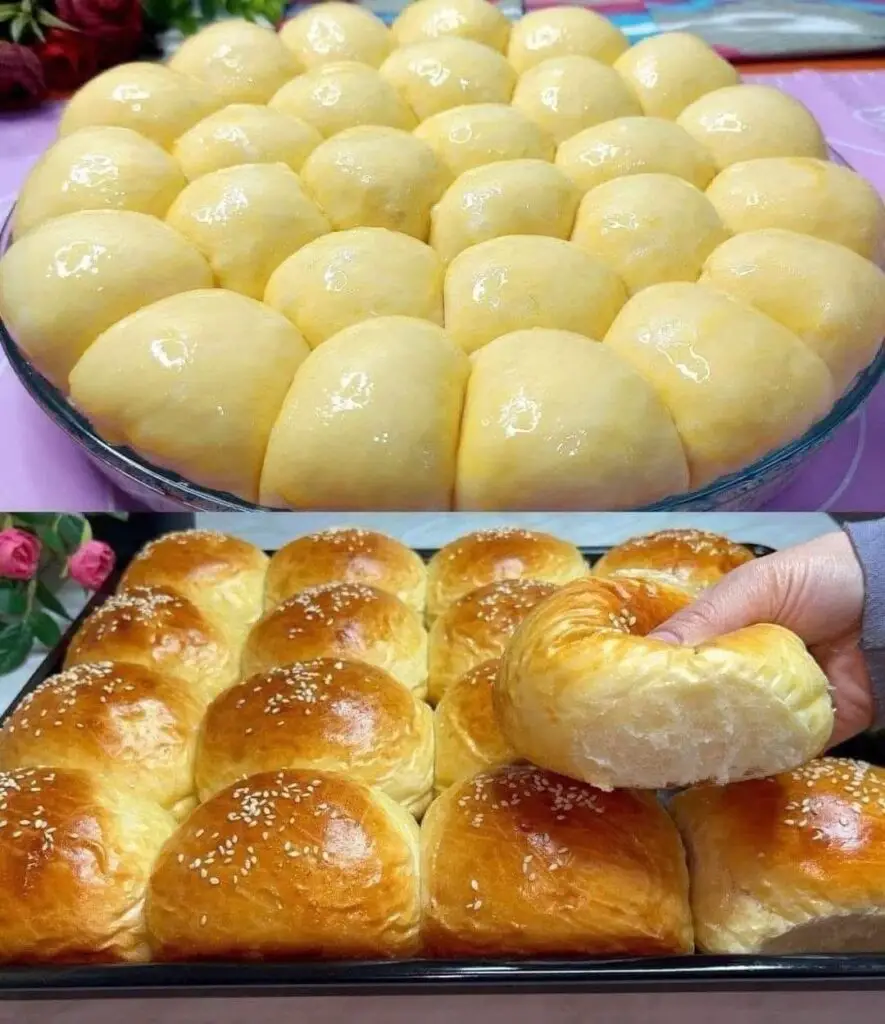
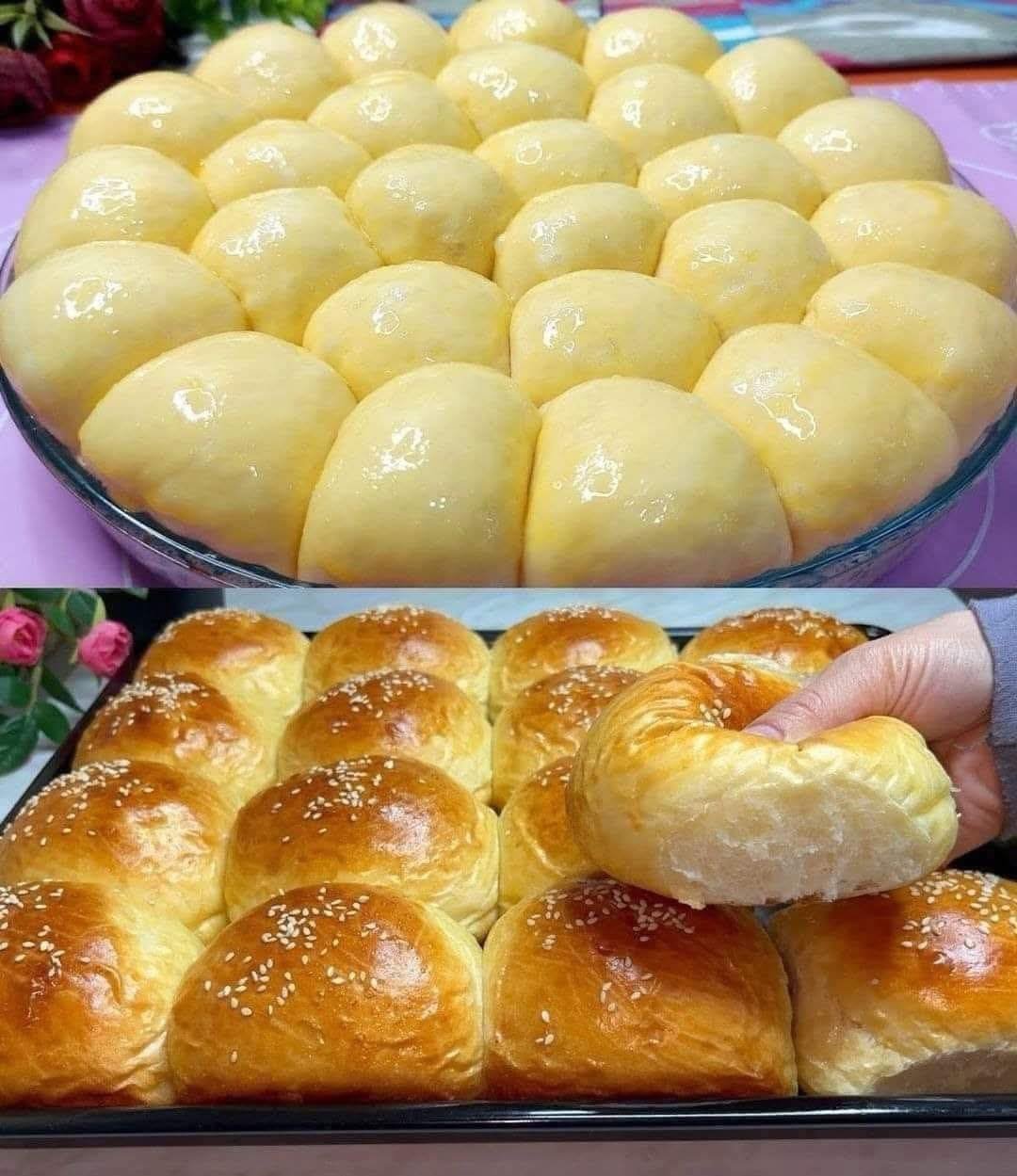
Milk Brioche Rolls are a rich, soft bread known for their tender crumb and slightly sweet flavor. This Milk Brioche Rolls recipe creates golden, fluffy rolls that melt in your mouth and work beautifully for breakfast, snacks, or even sandwiches. With a buttery texture and light sweetness, these rolls feel both comforting and bakery-quality.
I remember baking these rolls for the first time on a quiet morning when I wanted something warm and homemade. The dough felt soft and silky, and as it rose, the kitchen slowly filled with anticipation. When the rolls came out of the oven, golden and fragrant, it felt incredibly satisfying. Sharing them fresh and warm made the experience even better, and they quickly became a favorite recipe to revisit.
Ingredients
Equipment
Method
- Warm milk and activate yeast until foamy.
- Mix in eggs, sugar, butter, and salt.
- Add flour gradually and knead until smooth.
- Let dough rise until doubled in size.
- Shape into rolls and let rise again.
- Bake at 350°F (175°C) until golden brown.
Notes
Why Milk Brioche Rolls Are So Special
A Rich and Tender Bread
Milk Brioche Rolls stand out because of their soft, airy texture combined with a rich, buttery flavor. The addition of milk and eggs creates a tender crumb that feels light yet indulgent.
Unlike standard bread, brioche dough contains more fat, which gives it that signature softness. As a result, each bite feels smooth and delicate.
Because of this texture, these rolls are perfect for both sweet and savory uses.
Perfect for Any Occasion
These rolls are incredibly versatile. You can serve them as a side dish, use them for sandwiches, or enjoy them with jam and butter.
They also work well for special occasions like brunch or holiday meals. Their golden appearance and soft texture make them feel a bit more special than everyday bread.
Even better, they stay soft for longer, making them ideal for preparing ahead.
Choosing the Right Ingredients
Key Ingredients for Success
The base of Milk Brioche Rolls includes flour, eggs, milk, sugar, butter, and yeast. Each ingredient plays an important role in the final texture.
Milk adds moisture and richness, while eggs help create structure and softness. Butter enhances flavor and gives the rolls their signature tenderness.
Sugar adds a slight sweetness that balances the richness. Meanwhile, yeast helps the dough rise and become light and fluffy.
Because the recipe relies on simple ingredients, quality matters for the best results.
Tips for Best Results
Use room-temperature eggs to ensure smooth mixing. Warm milk helps activate the yeast, but it should not be too hot.
Measure flour carefully to avoid a dense dough. Too much flour can make the rolls heavy instead of soft.
Softened butter blends more easily into the dough, creating a smoother texture.
These small details make a noticeable difference in the final rolls.
Preparing the Dough
Mixing and Kneading
Start by combining warm milk and yeast, allowing it to activate. Once foamy, add eggs, sugar, and butter.
Gradually mix in the flour until a soft dough forms. Turn the dough onto a floured surface and knead until smooth and elastic.
Kneading develops gluten, which gives the rolls structure while keeping them soft. This step usually takes about 8 to 10 minutes.
Once ready, place the dough in a greased bowl and cover it for rising.
Letting the Dough Rise
Allow the dough to rise until it doubles in size. This process can take about 1 to 2 hours depending on the temperature.
After the first rise, gently punch down the dough and divide it into equal portions. Shape each piece into a smooth ball.
Place the rolls into a baking dish, leaving space between them for expansion. Let them rise again until puffy.
This second rise ensures a light and airy texture.
Baking the Rolls
Achieving a Golden Finish
Preheat your oven to 350°F (175°C). Before baking, brush the tops of the rolls with an egg wash for a shiny, golden finish.
Bake until the tops turn beautifully golden brown. This usually takes about 20 to 25 minutes.
The rolls should feel light and sound slightly hollow when tapped.
Once baked, remove them from the oven and let them cool slightly before serving.
Enhancing Flavor After Baking
For extra richness, brush the warm rolls with melted butter. This adds flavor and keeps the crust soft.
You can also sprinkle a bit of sugar on top if you prefer a sweeter finish.
These small touches elevate the final result without extra effort.
Serving and Storage Tips
Best Ways to Serve
Serve Milk Brioche Rolls warm for the best experience. The soft texture and buttery flavor shine when fresh from the oven.
Pair them with butter, jam, or honey for a simple treat. You can also use them for sandwiches or sliders.
Because of their versatility, they fit any meal of the day.
Storing and Freezing
Store the rolls in an airtight container at room temperature for up to three days.
For longer storage, freeze them in a sealed bag. Thaw at room temperature and warm slightly before serving.
This helps maintain their soft texture and fresh taste.
Frequently Asked Questions
1. Can I make the dough ahead of time?
Yes, you can refrigerate the dough after the first rise.
2. Why are my rolls dense?
This may be due to too much flour or insufficient rising time.
3. Can I use instant yeast?
Yes, and you can mix it directly with the dry ingredients.
4. Can I make them sweeter?
Add a bit more sugar to the dough if desired.
5. How do I keep them soft?
Store them properly and avoid overbaking.
Conclusion
Milk Brioche Rolls offer a perfect blend of softness, richness, and versatility. With their fluffy texture and buttery flavor, they bring comfort and satisfaction to any meal.
This recipe shows that with simple ingredients and a little patience, you can create bakery-quality bread at home. Once you try these rolls, they will likely become a favorite you return to again and again.