
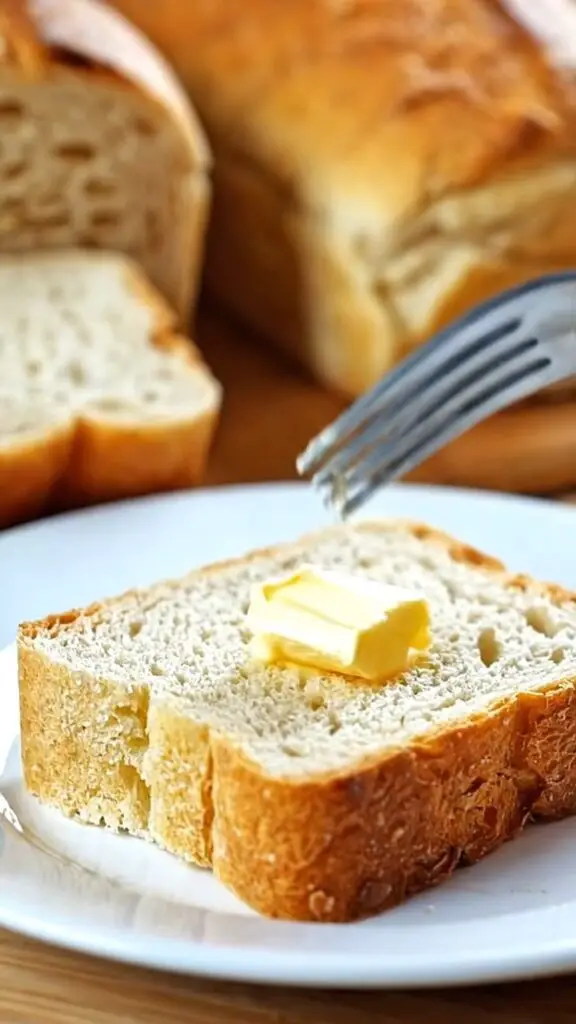
There’s something incredibly satisfying about baking your own Easy Homemade Bread Recipe from scratch. The smell alone fills your kitchen with warmth, while the soft texture and golden crust make every slice irresistible. This Easy Homemade Bread Recipe is simple enough for beginners, yet reliable enough for experienced bakers who want consistent results every time.
With just a handful of pantry ingredients, you can create a loaf that tastes far better than store-bought bread. Even better, this recipe doesn’t require complicated techniques. By following a few key steps, you’ll achieve a soft, fluffy interior and a beautifully golden crust.
I remember the first time I made homemade bread on a quiet afternoon. I wasn’t sure how it would turn out, but the process felt calming from the start. As the dough rose, I kept checking on it, amazed at how it doubled in size. When it finally baked, the aroma filled the entire house. We sliced into it while it was still warm, spread a bit of butter on top, and instantly fell in love with the texture and flavor. Since then, baking bread has become a comforting routine I always return to.
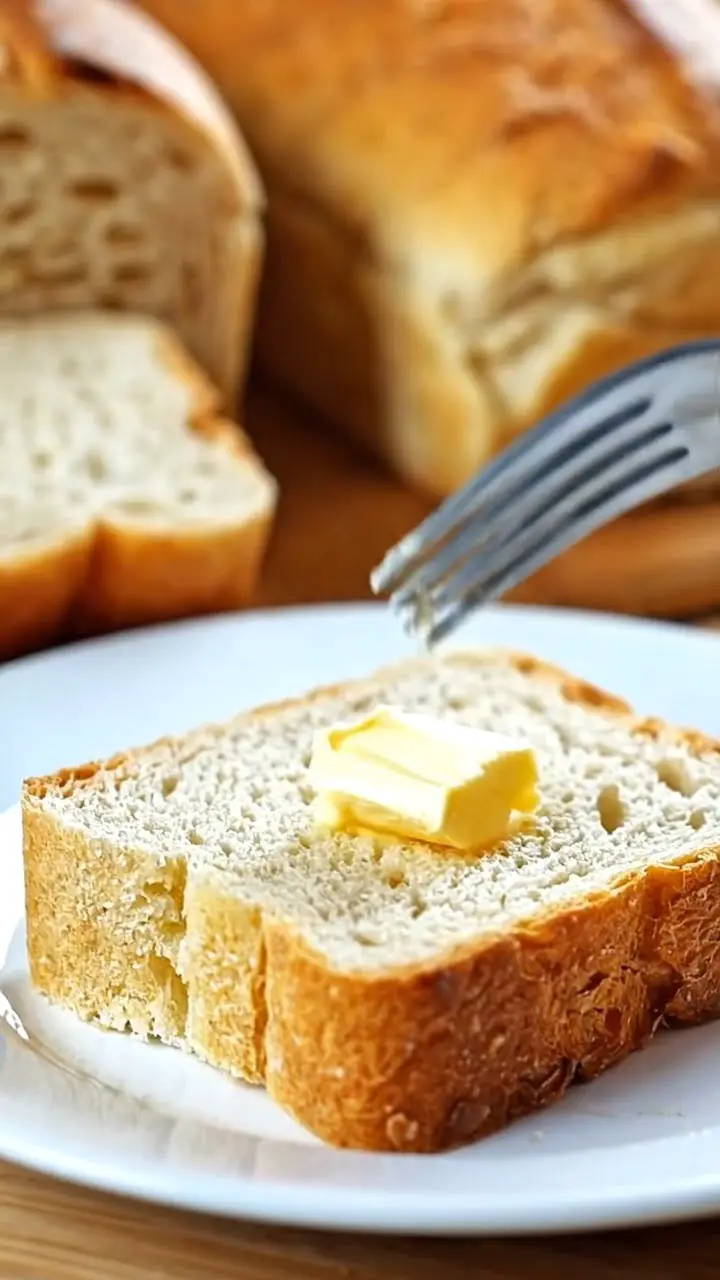
Understanding Ingredients for Easy Homemade Bread Recipe
Why Each Ingredient Matters
Every ingredient in this Easy Homemade Bread Recipe plays an important role. Warm water activates the yeast, which helps the dough rise. Sugar feeds the yeast and adds a subtle sweetness, while salt enhances flavor and balances the taste.
Oil adds moisture, keeping the bread soft even after it cools. Flour forms the structure of the bread. You can use either all-purpose flour or bread flour, depending on what you have available. Bread flour creates a slightly chewier texture, while all-purpose flour produces a softer crumb.
Choosing the Right Yeast
Yeast is essential for this Easy Homemade Bread Recipe. You can use either active dry yeast or instant yeast. Active dry yeast requires proofing in warm water, while instant yeast can be mixed directly with dry ingredients.
However, always ensure the water temperature stays around 105°F to 110°F. If it’s too hot, it can kill the yeast. If it’s too cold, the yeast won’t activate properly. Therefore, maintaining the right temperature ensures a successful rise.
Step-by-Step Process for Perfect Bread
Mixing and Kneading the Dough
Start by dissolving sugar in warm water, then add yeast and let it foam. This step confirms the yeast is active. Next, mix in the remaining ingredients and gradually add flour until the dough forms.
Kneading is crucial for this Easy Homemade Bread Recipe. It develops gluten, which gives bread its structure and softness. Knead for about 7 to 10 minutes until the dough becomes smooth and elastic. Although it may feel sticky at first, it will become easier to handle as you continue kneading.
First and Second Rise
After kneading, place the dough in an oiled bowl and cover it. Let it rise until it doubles in size. This usually takes about an hour, depending on room temperature.
Once risen, punch the dough down to release air bubbles. Then shape it into loaves and place them in greased pans. Allow the dough to rise again until it expands above the pan edges. This second rise ensures a light and fluffy texture.
Baking Techniques for the Best Results
Getting the Perfect Crust
Preheat your oven before baking to ensure even cooking. Bake the bread until the top turns golden brown. For best results, place the loaf in the center of the oven.
You can brush the top with butter after baking to soften the crust and add extra flavor. This step gives the bread a rich finish and enhances its appearance.
Knowing When Bread is Done
The easiest way to check doneness is by tapping the top of the loaf. It should sound hollow. Alternatively, you can use a thermometer. Fully baked bread reaches about 190°F internally.
Avoid removing the bread too early, as this can result in a dense texture. Proper baking ensures a light, airy loaf with a soft crumb.
Serving and Storing Easy Homemade Bread Recipe
Best Ways to Enjoy Fresh Bread
Freshly baked Easy Homemade Bread Recipe tastes best when slightly warm. Spread butter, jam, or honey on a slice for a simple treat. You can also use it for sandwiches, toast, or alongside soups and stews.
Because the texture is soft and fluffy, it pairs well with both sweet and savory toppings. This versatility makes it a staple in any kitchen.
Storage Tips for Freshness
Store your bread in an airtight container or bread bag to keep it fresh. At room temperature, it stays good for several days. For longer storage, you can freeze the loaf and thaw it when needed.
Avoid refrigerating bread because it can dry out quickly. Instead, keep it at room temperature and enjoy it while it’s fresh.
Frequently Asked Questions
Can I use whole wheat flour instead?
Yes, you can replace part of the flour with whole wheat flour, but it may make the bread denser.
Why didn’t my bread rise?
This usually happens if the yeast is inactive or the water temperature is incorrect.
How long should I knead the dough?
Knead for about 7–10 minutes until smooth and elastic.
Can I make this recipe without a mixer?
Yes, you can mix and knead everything by hand successfully.
How do I get softer bread?
Brush the top with butter after baking and avoid overbaking.
Conclusion
This Easy Homemade Bread Recipe offers a simple yet rewarding way to bake fresh bread at home. With basic ingredients and straightforward steps, you can create soft, fluffy loaves that taste incredible. Whether you’re new to baking or experienced in the kitchen, this recipe delivers reliable results and delicious bread every time.


