
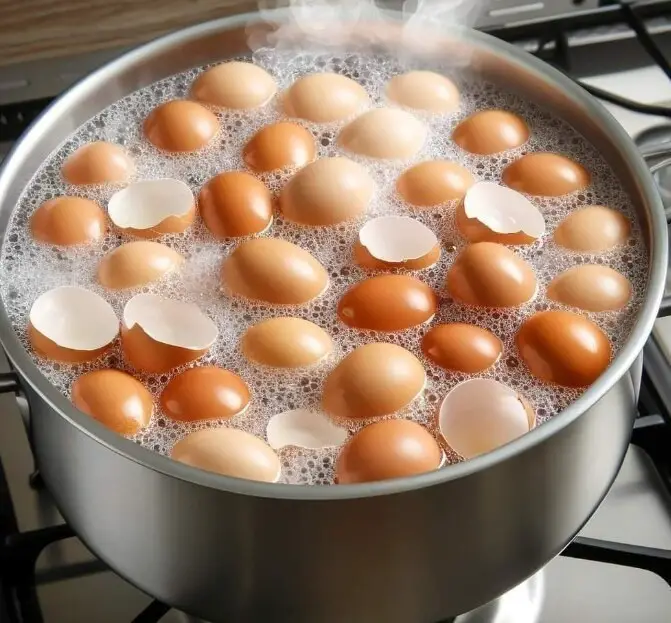
Eating Boiled and Ground Eggshells Why It’s Not a Safe Calcium Source is a topic that has gained attention as more people search for natural and affordable ways to boost their calcium intake. While eggshells may seem like a simple solution because they contain calcium carbonate, the reality is more complex. Understanding the risks and limitations helps you make better choices for your health and daily routine.
A while ago, I came across a tip suggesting that drying and grinding eggshells could replace calcium supplements. It sounded practical and cost-effective, especially since eggs are already a kitchen staple. However, after looking deeper and trying to understand how the body absorbs nutrients, I realized that not all “natural” solutions are as safe or effective as they appear. That experience made me more mindful about relying on verified and balanced nutrition sources.
Why Eggshells Are Not a Reliable Calcium Source
The Risks of Bacterial Contamination
Eggshells can carry harmful bacteria, even after boiling. While heat reduces contamination, it does not always eliminate all risks unless the process is done under controlled conditions. Because of this, consuming homemade eggshell powder may expose you to unwanted health issues.
Additionally, improper handling increases the chance of contamination. Washing, drying, and grinding eggshells at home often lacks the precision needed for safe consumption. As a result, the risk may outweigh the potential benefit.
Safety Concerns With Preparation
Preparing eggshells safely requires more than basic kitchen steps. They must be thoroughly sterilized and finely processed to reduce hazards. Without proper equipment, achieving this level of safety becomes difficult.
Moreover, sharp or uneven particles can irritate the digestive system. This adds another layer of concern, especially for those trying to use eggshells regularly.
Understanding Calcium Absorption
Not All Calcium Is Equal
Although eggshells contain calcium, the body does not always absorb it efficiently. The form and size of calcium particles play a major role in absorption.
For calcium to be effective, it must be in a form that the body can easily process. Store-bought supplements and natural food sources are designed or naturally structured to support this process more reliably.
Inconsistent Absorption Rates
Even when eggshells are finely ground, absorption can vary widely. This inconsistency makes it difficult to measure how much calcium your body actually receives.
Because of this, relying on eggshells does not provide a dependable way to meet your daily calcium needs. Instead, it may lead to either insufficient intake or unnecessary excess.
Better Ways to Get Calcium Naturally
Food-Based Calcium Sources
A balanced diet offers safer and more effective ways to get calcium. Foods like dairy products, leafy greens, and fortified items provide calcium in forms your body can absorb more easily.
In addition, these foods often contain other nutrients like vitamin D and magnesium. These nutrients work together to support proper calcium absorption and overall health.
Trusted Supplement Options
If dietary intake is not enough, supplements can help fill the gap. Unlike homemade solutions, they are carefully measured and tested for safety.
Choosing a reliable supplement ensures consistent dosage and better absorption. This makes it a more dependable option compared to using eggshells.
Ingredients
Equipment
Method
- Review safe and reliable calcium sources.
- Avoid consuming homemade eggshell powder.
- Consult a professional for dietary advice.
Notes
Practical Tips for Safe Calcium Intake
Building a Balanced Routine
Incorporating calcium-rich foods into daily meals is one of the easiest ways to support your needs. For example, adding yogurt, milk, or greens to your diet can make a noticeable difference.
Consistency matters more than quick fixes. Small, regular changes often provide better long-term results.
Avoiding Risky Trends
While natural remedies can be appealing, not all of them are safe. It’s important to evaluate trends carefully before trying them.
Always consider the preparation process, safety, and scientific support behind any method. This helps you avoid unnecessary risks and make informed choices.
FAQ
Can boiled eggshells be safe if prepared carefully?
Even with careful preparation, risks remain due to potential contamination and inconsistent processing.
Do eggshells provide enough calcium?
They contain calcium, but absorption is unreliable compared to other sources.
What is the safest way to increase calcium intake?
Eating calcium-rich foods or using tested supplements is the safest approach.
Are there side effects of consuming eggshell powder?
Yes, possible risks include bacterial exposure and digestive irritation.
Should I replace supplements with eggshells?
No, it’s better to rely on proven and safe calcium sources.
Conclusion
Eating Boiled and Ground Eggshells Why It’s Not a Safe Calcium Source highlights the importance of choosing reliable and safe nutrition methods. While eggshells may seem like a natural option, the risks and inconsistencies make them less suitable for regular use.
Instead, focusing on balanced meals and trusted supplements offers a safer and more effective way to meet your calcium needs. By making informed decisions, you support your health without unnecessary risks.