
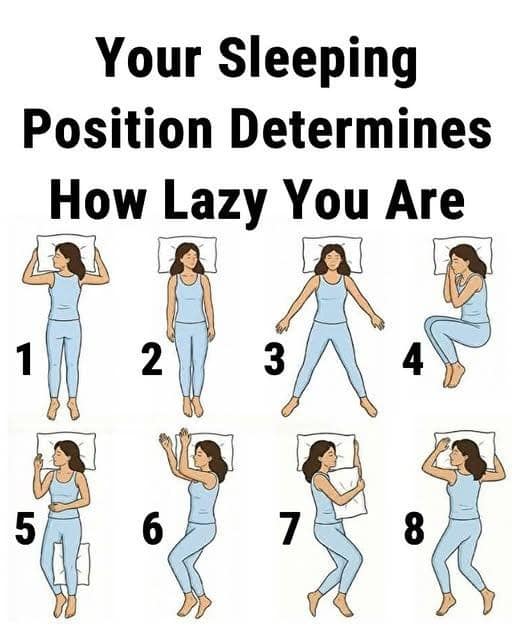
What Your Sleep Position Really Says About You is a topic that often sparks curiosity. Many people believe their sleeping posture reveals personality traits. However, in reality, your sleep position reflects comfort, habits, and physical needs more than anything else.
A while ago, I noticed I always fell asleep on my side without thinking about it. I once read that side sleepers are calm and thoughtful, which sounded nice, but I realized my position had more to do with comfort than personality. After experimenting with different positions, I understood that my body naturally chose what felt best. Since then, I’ve paid more attention to how I sleep, and small adjustments have helped me wake up feeling more rested and refreshed.
Understanding Why Sleep Position Matters
The Role of Comfort and Habit
Your body naturally chooses a sleep position that feels comfortable. Over time, this becomes a habit. Because of this, most people stick to one or two positions without even noticing.
Comfort plays a major role in sleep quality. If your position supports your body well, you’re more likely to sleep deeply and wake up feeling refreshed. On the other hand, an uncomfortable position may lead to tossing and turning throughout the night.
Additionally, your mattress and pillow also influence how you sleep. Together, they create the support your body needs for proper rest.
Physical Needs Over Personality
While many articles link sleep positions to personality, there is little scientific proof behind those claims. Instead, your body chooses positions based on physical needs.
For example, some people sleep on their side to reduce snoring or improve breathing. Others prefer sleeping on their back for better spinal alignment.
Because of this, your sleep position tells more about your body’s needs than your character traits.
Common Sleep Positions and Their Effects
Side Sleeping Benefits and Considerations
Side sleeping is the most common position. Many people find it comfortable and easy to maintain throughout the night.
This position often helps with breathing, making it a popular choice for those who snore. It may also support better digestion and reduce pressure on the lower back.
However, using the right pillow is important. Without proper support, side sleeping can strain the neck or shoulders.
Back and Stomach Sleeping Differences
Sleeping on your back can help maintain a neutral spine position. This often reduces pressure on the neck and back when supported correctly.
However, back sleeping may increase snoring for some people. Because of this, it may not suit everyone.
Stomach sleeping, while less common, can feel comfortable for some. Still, it often puts strain on the neck due to head rotation. Therefore, many experts suggest limiting this position or using extra support.
How to Improve Your Sleep Position
Simple Adjustments for Better Rest
Small changes can make a big difference in sleep quality. For example, adding a pillow between your knees while side sleeping can improve alignment.
If you sleep on your back, placing a pillow under your knees may reduce lower back pressure. These simple adjustments help your body stay in a more natural position.
Additionally, choosing the right mattress firmness supports your preferred sleeping style.
Creating a Relaxing Bedtime Routine
Your sleep position works best when paired with a consistent routine. Going to bed at the same time each night helps your body relax faster.
Limiting screen time before bed also improves sleep quality. Instead, try reading or stretching to unwind.
By combining good habits with proper positioning, you create an environment that supports deep and restful sleep.
Finding the Best Position for You
Listening to Your Body
Your body gives clear signals about what works best. If you wake up with pain or stiffness, it may be time to adjust your position.
Trying different positions for a few nights can help you find what feels most natural. Over time, your body will settle into the most comfortable option.
Because everyone is different, there is no single “perfect” sleep position for all.
Balancing Comfort and Support
The goal is to find a balance between comfort and proper support. A position that feels good but strains your body may lead to discomfort later.
Using supportive pillows and a quality mattress helps maintain that balance. These tools ensure your body stays aligned while you rest.
With the right setup, your sleep position becomes a powerful part of your overall well-being.
Frequently Asked Questions
What is the best sleep position overall?
There is no universal best position. However, side and back sleeping are often considered the most supportive for many people.
Can changing sleep position improve sleep quality?
Yes, small adjustments can reduce discomfort and help you sleep more deeply.
Why do I wake up in a different position?
It’s normal to move during sleep. Your body shifts to stay comfortable throughout the night.
Is stomach sleeping harmful?
It can strain the neck and spine over time, but some people still find it comfortable with proper support.
How can I train myself to sleep in a better position?
Use pillows to guide your body and maintain alignment. Consistency helps build the habit.
Conclusion
What Your Sleep Position Really Says About You is less about personality and more about comfort and physical needs. By understanding how your body responds to different positions, you can make small changes that improve your rest.
Focusing on support, alignment, and routine allows you to wake up feeling refreshed and ready for the day. With a few simple adjustments, your sleep position can become a key part of a healthier lifestyle.