When you walk into a supermarket, you expect the meat you buy to be fresh, high-quality, and exactly what the label promises. However, the reality can sometimes be more complicated. Many shoppers have noticed inconsistencies—changes in texture, excess liquid in packaging, or meat that simply doesn’t cook the way it used to.
While not every product is misleading, understanding what’s really happening behind the scenes can help you make smarter, more confident choices when buying meat for your family.
I remember a time when I bought chicken that looked perfectly fine in the package, but once I cooked it, it released so much liquid that it practically boiled instead of browned. It made me question what I was actually buying. That experience pushed me to learn more about how meat is processed and labeled—and it completely changed how I shop today.
Why Supermarket Meat Sometimes Feels Different
Added Water and Processing Techniques
One of the most common reasons meat feels watery or inconsistent is due to added solutions. Some meat products are injected with water, salt, or preservatives to enhance flavor, extend shelf life, and increase weight. While this practice is legal when properly labeled, it can affect both texture and cooking results.
For example, chicken labeled as “enhanced” may contain added liquid. When cooked, this extra moisture releases into the pan, preventing proper browning and changing the flavor.
Mass Production and Supply Chains
Large-scale meat production focuses on efficiency and consistency in supply rather than small-batch quality. As a result, factors like animal diet, processing speed, and storage conditions can vary. These differences can lead to noticeable changes in taste and texture from one purchase to another.
Additionally, meat often travels long distances before reaching store shelves. During this time, temperature fluctuations and packaging methods can impact freshness.
How Labels Can Be Misleading
Understanding Common Terms
Labels like “natural,” “farm fresh,” or “premium” can sound reassuring, but they don’t always guarantee higher quality. These terms are often used for marketing and may not reflect meaningful differences in how the meat was raised or processed.
Instead, look for clear, regulated labels such as:
- “No added hormones” (commonly used for beef)
- “No antibiotics”
- “Minimally processed”
These provide more reliable information about the product.
Hidden Details in Fine Print
Sometimes the most important details appear in small print. Phrases like “contains up to 15% solution” indicate added liquids that affect both weight and cooking performance.
Reading beyond the front label helps you understand exactly what you’re buying.
How to Choose Better Quality Meat
Look for Visual Clues
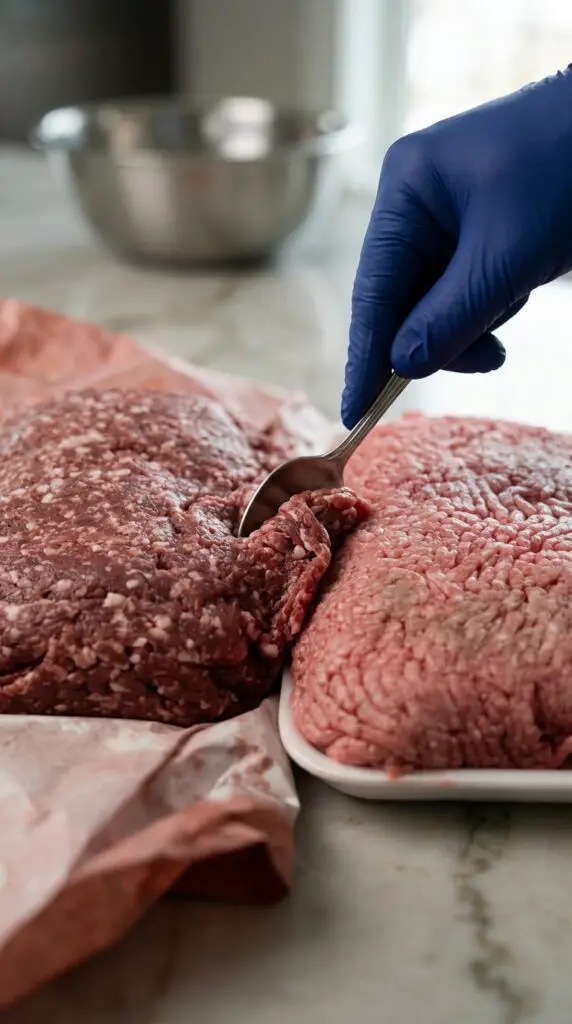
Fresh meat should have a natural color and firm texture. Avoid packages with excessive liquid, discoloration, or an unusual smell. While vacuum-sealed packaging can sometimes alter appearance slightly, the meat should still look clean and consistent.
Marbling in beef, for example, often indicates better flavor and tenderness.
Buy from Trusted Sources
Whenever possible, consider buying from local butchers or farmers’ markets. These sources often provide more transparency about where the meat comes from and how it was handled.
If you prefer supermarkets, choose brands known for clear labeling and consistent quality.
Simple Cooking Tips to Improve Results
Pat Meat Dry Before Cooking
If your meat releases too much liquid, try patting it dry with paper towels before cooking. This step helps achieve better browning and improves texture.
Use High Heat for Better Searing
Cooking meat at the right temperature makes a big difference. High heat allows moisture to evaporate quickly, creating a flavorful crust instead of steaming the meat.
Avoid overcrowding the pan, as this can trap moisture and prevent proper cooking.
Frequently Asked Questions
Is all supermarket meat low quality?
No, many supermarkets offer high-quality options. However, quality can vary depending on sourcing, processing, and storage.
What does “enhanced” meat mean?
It means the meat contains added solutions like water, salt, or flavorings to improve taste and shelf life.
Why does chicken sometimes release so much water?
This often happens when the meat has been injected with a solution or stored in moisture-retaining packaging.
Is it better to buy fresh or frozen meat?
Both can be good options. Frozen meat can actually preserve freshness well if handled properly.
How can I avoid buying poor-quality meat?
Read labels carefully, check appearance, and buy from trusted sources whenever possible.
Ingredients
Equipment
Method
- Check labels carefully for added solutions or processing details.
- Inspect meat for color, texture, and excess liquid before buying.
- Pat meat dry before cooking to improve browning.
- Cook meat at proper heat levels to enhance flavor and texture.
Notes
Conclusion
While supermarkets remain a convenient place to buy meat, it’s important to stay informed about what you’re purchasing. By understanding labeling, recognizing quality indicators, and using simple cooking techniques, you can improve both the flavor and reliability of your meals.
Being aware doesn’t mean avoiding supermarkets—it simply means shopping smarter. With a little attention to detail, you can consistently bring home meat that cooks well, tastes great, and meets your expectations.