
Traditional German Cabbage and Dumplings is the kind of rustic, satisfying dish that brings warmth to your table with every bite. This humble yet flavorful meal combines tender, buttery cabbage with soft, chewy dumplings, creating a comforting balance of textures and rich, savory taste. Rooted in European tradition, it’s a recipe that transforms simple pantry staples into something deeply nourishing and memorable.
Whether you’re cooking for a cozy family dinner or craving something hearty and homemade, this dish delivers both comfort and flavor without complicated steps.
I still remember the first time I tasted cabbage and dumplings in my grandfather’s kitchen. He believed in simple food made with patience, and this dish was his favorite. The smell of butter and cabbage slowly cooking filled the house, and he would stand by the stove, quietly stirring as if it were a ritual. When we finally sat down to eat, the dumplings were soft, the cabbage rich and tender, and every bite felt like home. It wasn’t fancy, but it was unforgettable, and it taught me that the simplest meals often carry the most meaning.
Why This Dish Stands the Test of Time
Simple Ingredients, Deep Flavor
Traditional German Cabbage and Dumplings relies on everyday ingredients, yet it delivers a depth of flavor that feels far more complex. The cabbage softens and absorbs the buttery richness, while onions add a subtle sweetness that builds as they cook.
At the same time, the dumplings provide a hearty element that makes the dish filling and satisfying. Because each component complements the others, the final result feels balanced and complete.
A True Comfort Food Experience
This dish stands out because it offers both warmth and substance. It’s not just about taste—it’s about the feeling it creates. The slow cooking process allows flavors to develop naturally, resulting in a meal that feels comforting and familiar.
Additionally, the combination of soft dumplings and tender cabbage creates a texture that is both hearty and soothing. It’s the kind of food that brings people together around the table.
Ingredients and Their Roles
Dumpling Dough Essentials
To create the dumplings, you’ll need:
- 1 cup all-purpose flour
- 2 large eggs, whisked
- 1–3 tablespoons milk
- 1 teaspoon dried thyme or parsley
- ¾ teaspoon black pepper
- ½ teaspoon salt
- Optional: ½ teaspoon baking powder and ¼ teaspoon baking soda
The flour forms the base, while eggs provide structure and richness. Meanwhile, the herbs and seasoning add subtle flavor that complements the cabbage.
Cabbage Mixture Components
For the cabbage portion, gather:
- 1 medium cabbage, chopped
- 4 tablespoons unsalted butter
- 1 large onion, chopped
- ¼ cup vegetable or chicken stock
- ½ teaspoon garlic powder
- Salt and black pepper to taste
- Fresh parsley for garnish
The butter and stock create a rich base, while the cabbage absorbs all the flavor as it cooks down. Onions enhance the dish with natural sweetness and depth.
Step-by-Step Cooking Instructions
Making the Dumplings
Start by mixing flour, herbs, salt, and pepper in a bowl. Then add the eggs and stir until a stiff dough forms. If needed, add milk gradually to reach the right consistency.
Bring a pot of salted water to a boil. Drop spoonfuls of dough into the water, allowing them to cook until they float. Once they rise, remove them with a slotted spoon and set aside.
Cooking the Cabbage
In a large pot, melt half of the butter and sauté the onions until soft and lightly golden. This step builds the base flavor of the dish.
Next, add the remaining butter, cabbage, stock, and seasonings. Cover and let it simmer until the cabbage becomes tender and most of the liquid is absorbed.
Combining Everything
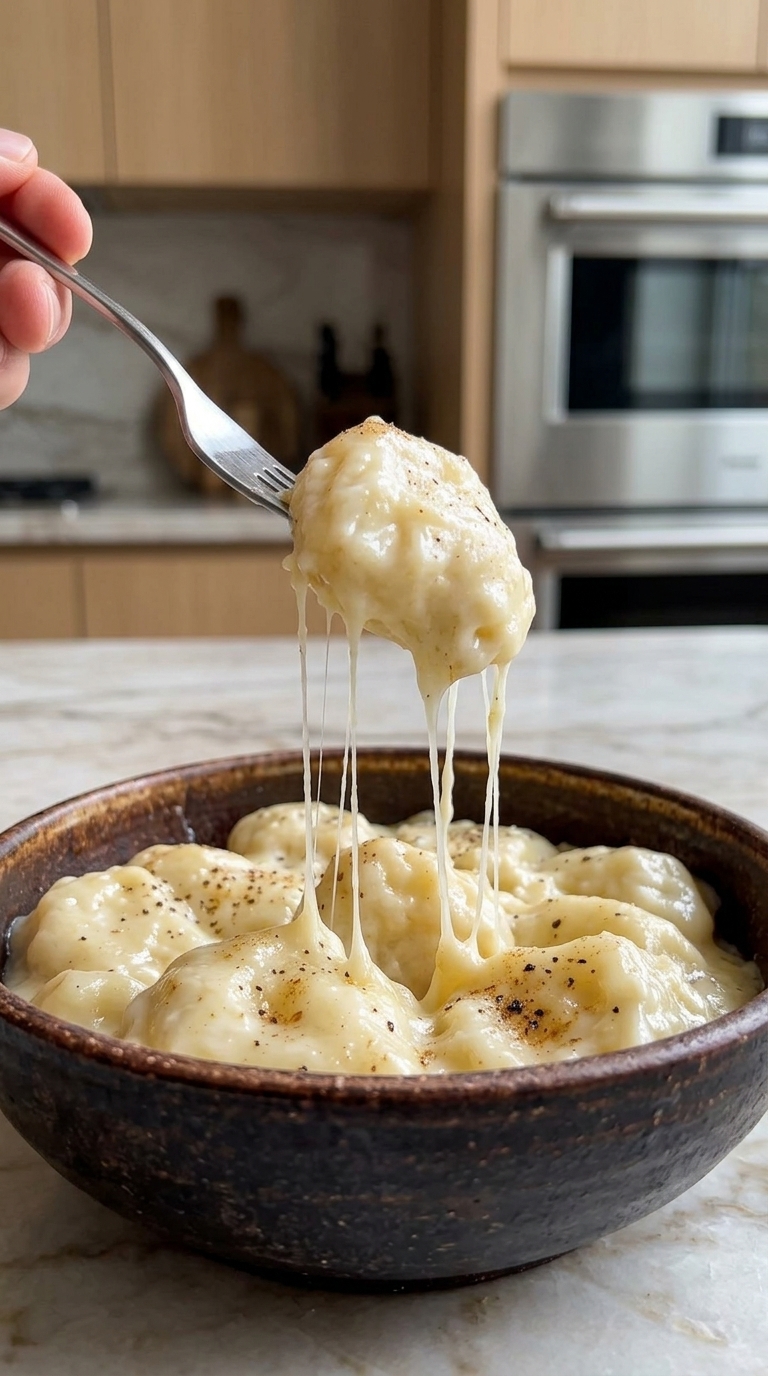
Once the cabbage is ready, gently fold in the cooked dumplings. Toss everything together so the dumplings soak up the buttery sauce. Taste and adjust seasoning as needed before serving.
Tips for the Best Results
Perfect Dumpling Texture
To achieve the ideal dumpling texture, avoid adding too much milk. The dough should remain slightly firm so the dumplings hold their shape during cooking.
Also, ensure the water is at a steady boil before adding the dough. This helps the dumplings cook evenly and prevents them from becoming dense.
Enhancing Flavor Naturally
For extra depth, consider adding a pinch of smoked paprika or a splash of vinegar to the cabbage. These small additions can brighten the dish without overpowering its traditional flavor.
You can also finish the dish with a little extra butter or fresh herbs for added richness and freshness.
Serving Suggestions and Variations
How to Serve
Traditional German Cabbage and Dumplings works well as a main dish, but it also pairs beautifully with roasted meats or sausages. The mild, buttery flavors complement heartier proteins perfectly.
Serve it warm, straight from the pot, for the best texture and taste.
Easy Variations to Try
You can customize this dish in several ways. For example, add crispy bacon or smoked sausage for a more robust flavor. Alternatively, include carrots or potatoes for additional texture and variety.
If you prefer a lighter version, reduce the butter slightly and increase the amount of stock.
Frequently Asked Questions
Can I make the dumplings ahead of time?
Yes, you can prepare and cook the dumplings in advance. Store them in the refrigerator and add them to the cabbage when ready to serve.
Can I use red cabbage instead?
Yes, but it will change the flavor slightly, making it a bit sweeter and more robust.
How do I store leftovers?
Store leftovers in an airtight container in the refrigerator for up to three days.
Can I freeze this dish?
It’s best enjoyed fresh, but you can freeze it. Keep in mind that the dumplings may change texture slightly after reheating.
What herbs work best in this recipe?
Thyme and parsley are traditional choices, but you can also use dill or chives for a different flavor profile.
Conclusion
Traditional German Cabbage and Dumplings is a beautiful example of how simple ingredients can create something truly comforting and satisfying. With its buttery cabbage, tender dumplings, and rich flavor, it’s a dish that feels both timeless and approachable.
Whether you’re revisiting a childhood favorite or trying it for the first time, this recipe offers a warm, hearty experience that’s perfect for any occasion. Once you make it, it’s likely to become a regular on your table.