
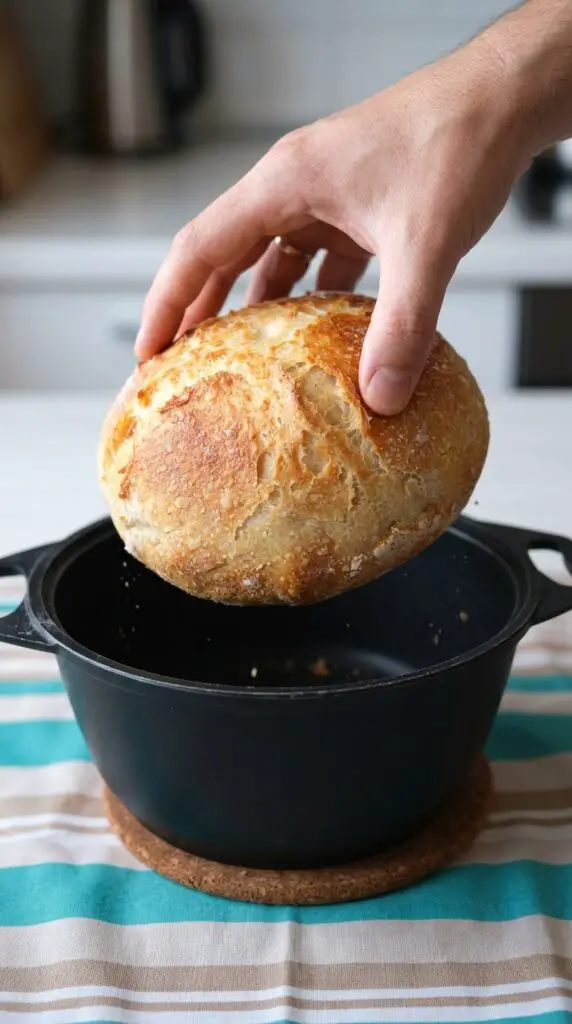
Traditional Homemade Bread brings warmth, comfort, and simplicity straight into your kitchen. With just a few pantry staples, you can create Traditional Homemade Bread that delivers a soft, fluffy interior and a golden, slightly crisp crust. This timeless recipe transforms basic ingredients into something truly special, filling your home with an irresistible aroma that feels both nostalgic and welcoming.
There’s something deeply satisfying about baking bread from scratch. The process feels calming, while the result feels rewarding. Whether you’re making it for your family, serving it at dinner, or simply enjoying a warm slice with butter, this loaf never disappoints.
I still remember the first time I baked bread on a quiet afternoon. The dough felt sticky at first, and I wasn’t sure if I was doing it right. However, as I kneaded and watched it rise, something clicked. The smell that filled the kitchen made the whole experience unforgettable. When I finally sliced into that warm loaf, it tasted better than anything store-bought. Since then, baking bread has become a comforting ritual I always come back to.
Why This Bread Recipe Works So Well
Simple Ingredients, Reliable Results
Traditional Homemade Bread stands out because it uses ingredients you already have. Flour, yeast, water, sugar, salt, and oil work together to create structure and flavor. Because the ingredient list is simple, each component plays an important role.
The yeast creates air pockets, giving the bread its light texture. Meanwhile, the flour forms the structure that holds everything together. Oil or butter adds richness, making every slice soft and tender.
A Foolproof Method for Beginners
Even if you’ve never baked bread before, this method guides you through every step. The process is straightforward, yet it teaches essential baking techniques like kneading and proofing.
As a result, you gain confidence while creating something delicious. Once you try it, you’ll realize that homemade bread isn’t complicated—it just requires a little patience.
Ingredients and Their Role in Perfect Bread
Understanding Each Ingredient
All-purpose flour forms the base of the dough. It provides the gluten needed for structure and chew. Warm water activates the yeast, allowing the dough to rise properly.
Sugar feeds the yeast, helping it grow and develop flavor. Salt balances the taste while strengthening the dough. Olive oil or melted butter adds moisture and enhances the softness of the final loaf.
Each ingredient works together to create a balanced, flavorful bread that feels both light and satisfying.
Easy Substitutions and Variations
You can easily adapt this recipe to suit your preferences. For example, replace half the flour with whole wheat flour for a heartier loaf. If you prefer a richer taste, use melted butter instead of olive oil.
You can also add herbs, garlic, or even shredded cheese to the dough for extra flavor. These small changes allow you to customize the bread while keeping the base recipe intact.
Step-by-Step Instructions for Success
Preparing and Kneading the Dough
Start by dissolving sugar in warm water, then add the yeast. Let it sit until it becomes foamy. This step ensures the yeast is active and ready to work.
Next, mix in flour, salt, and oil until a dough forms. Turn it onto a floured surface and knead for about 8–10 minutes. The dough should become smooth and elastic.
Kneading develops the gluten, which gives the bread its structure. Although it takes a bit of effort, it’s a crucial step for achieving the perfect texture.
Rising, Shaping, and Baking
Place the dough in a greased bowl and cover it. Let it rise in a warm spot until it doubles in size. This usually takes about one hour.
After rising, shape the dough into a loaf and place it in a greased pan. Let it rise again for about 30 minutes. This second rise improves the texture and flavor.
Bake the bread at 375°F (190°C) until golden brown. Once baked, let it cool slightly before slicing. This helps the structure set properly.
Tips for Perfect Homemade Bread Every Time
Avoid Common Mistakes
One common mistake is using water that’s too hot. High temperatures can kill the yeast, preventing the dough from rising. Always use warm, not hot, water.
Over-kneading can also make the bread tough. Stop once the dough becomes smooth and elastic. Additionally, avoid adding too much flour, as it can make the bread dense.
Letting the dough rise fully is equally important. Rushing this step results in a heavy loaf instead of a light one.
Storage and Serving Ideas
Store your bread in an airtight container at room temperature for up to three days. For longer storage, freeze slices and thaw as needed.
Serve this bread warm with butter, jam, or honey. It also works beautifully for sandwiches, toast, or alongside soups and salads.
You can even turn leftover slices into croutons or breadcrumbs, making sure nothing goes to waste.
Frequently Asked Questions
Can I use instant yeast instead of active dry yeast?
Yes, you can substitute instant yeast. You can mix it directly with the flour without proofing.
Why didn’t my bread rise?
This usually happens if the yeast is inactive or the water was too hot. Always check that your yeast is fresh.
Can I make this bread without kneading?
Yes, but the texture will be slightly different. Kneading helps create a better structure.
How do I know when the bread is done?
Tap the bottom of the loaf. If it sounds hollow, it’s ready.
Can I double the recipe?
Absolutely. Just make sure to divide the dough evenly between pans for even baking.
Ingredients
Equipment
Method
- Dissolve sugar in warm water and add yeast. Let sit until foamy.
- Mix in flour, salt, and oil until dough forms.
- Knead dough on floured surface for 8-10 minutes until smooth.
- Place dough in greased bowl, cover, and let rise for 1 hour.
- Shape dough into loaf and place in greased pan.
- Let dough rise again for 30 minutes.
- Bake at 375°F (190°C) for 25-30 minutes until golden brown.
- Cool slightly before slicing and serving.
Notes
Conclusion
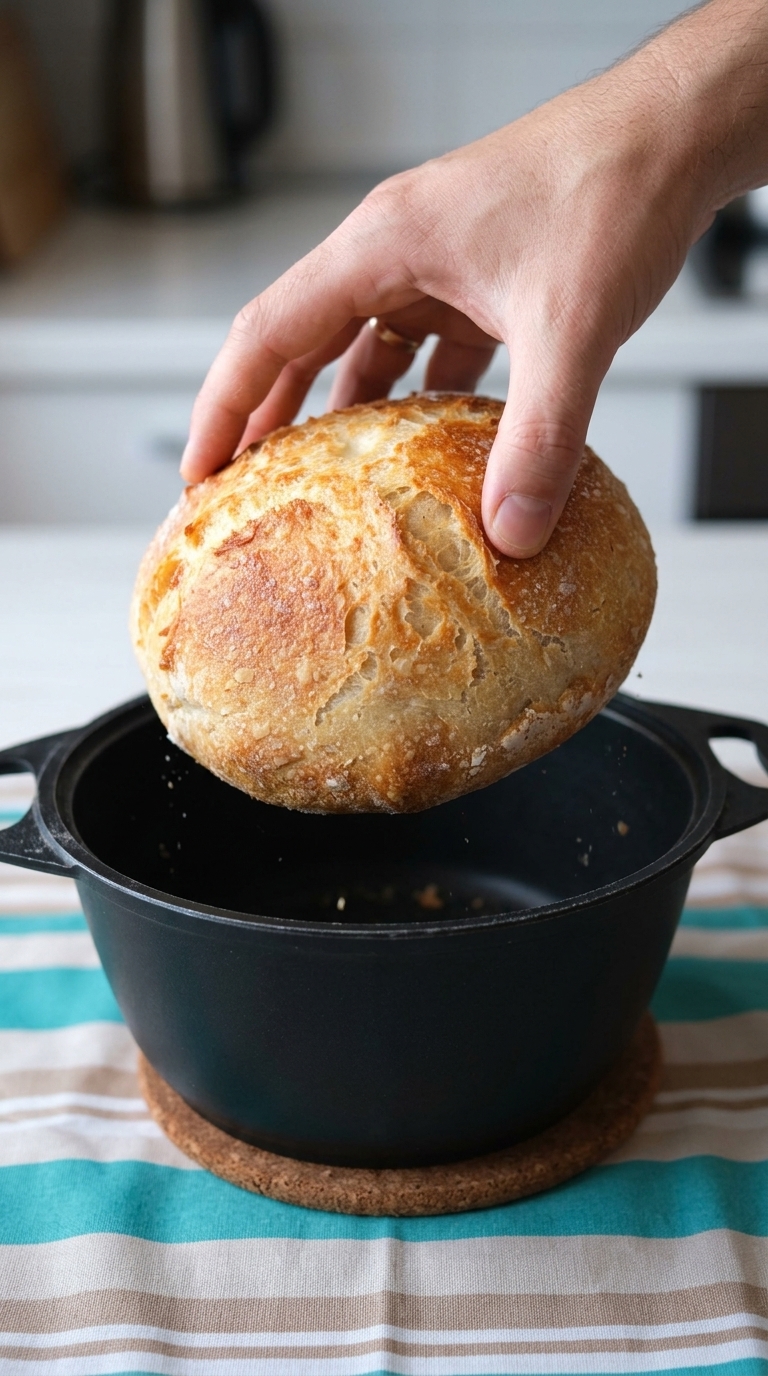
Traditional Homemade Bread proves that simple ingredients can create something truly special. With its soft interior and golden crust, it offers comfort in every slice. Whether you’re new to baking or experienced in the kitchen, this recipe delivers consistent, delicious results.
Once you experience the aroma of freshly baked bread and taste that first warm slice, you’ll understand why this recipe has stood the test of time. It’s more than just bread—it’s a tradition worth sharing.