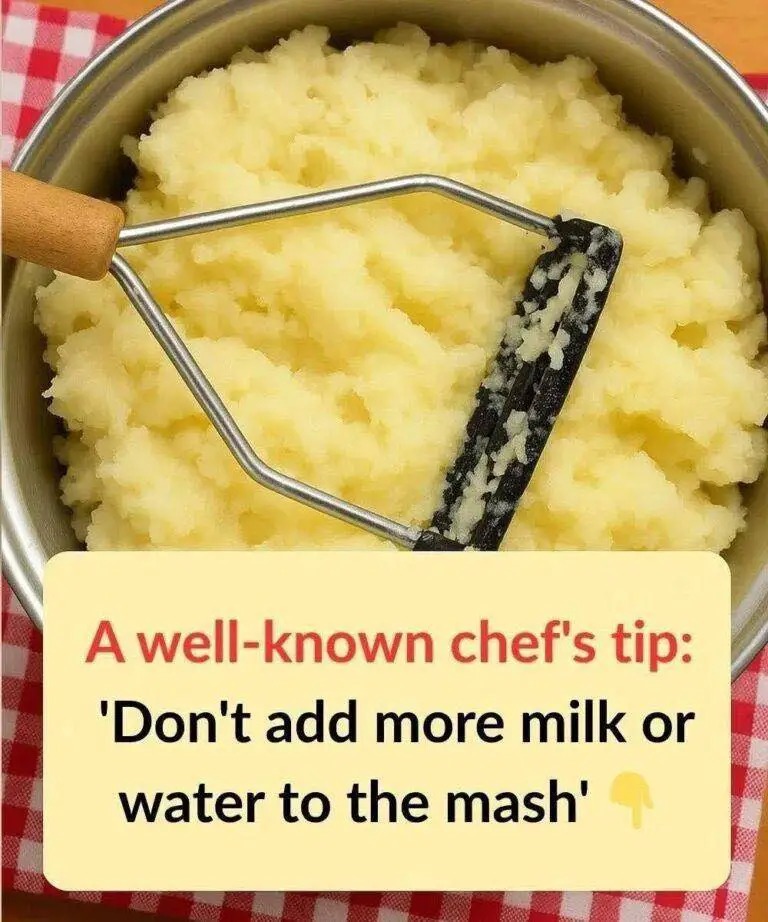
Stop Adding Milk or Water to Your Mashed Potatoes Here’s the Better Way if you want rich, creamy, restaurant-quality results every single time. Many home cooks rely on milk or even water to loosen mashed potatoes, yet this common habit actually dulls flavor and texture. Instead, using butter and cream transforms simple potatoes into a luxurious, velvety side dish that feels indulgent and satisfying.
Mashed potatoes should never taste bland or watery. They should feel smooth, rich, and deeply comforting. With just a few simple adjustments, you can turn a basic side into something truly memorable.
I remember growing up watching my grandmother make mashed potatoes for Sunday dinners. She never measured anything, yet her potatoes always turned out incredibly creamy and full of flavor. One day, I asked her why mine never tasted the same. She smiled and said, “You’re being too careful with the good stuff.” She added extra butter, warmed cream, and mashed everything gently. That moment changed how I approached cooking. It taught me that sometimes the secret lies in embracing richness instead of holding back.
Why You Should Skip Milk and Water
How Milk and Water Affect Flavor
Milk and water may seem like harmless additions, but they dilute the natural flavor of potatoes. Water, in particular, adds no richness at all. While milk contains some fat, it still lacks the depth needed to create a luxurious texture.
As a result, mashed potatoes made with milk or water often taste thin and less satisfying. They may appear creamy at first, yet they lack that full-bodied flavor that makes each bite enjoyable.
Why Butter and Cream Make a Difference
Butter and cream, on the other hand, enhance both taste and texture. Butter adds richness and depth, while cream provides smoothness and a silky finish.
When you use warm cream and melted butter, the potatoes absorb the fats more effectively. This process creates a cohesive, velvety consistency that feels indulgent without being heavy. Additionally, the flavor becomes more balanced and comforting.
Ingredients
Equipment
Method
- Peel and chop potatoes into even pieces.
- Place potatoes in cold salted water and bring to a boil.
- Cook until fork-tender, then drain thoroughly.
- Return potatoes to pot briefly to remove excess moisture.
- Mash potatoes gently using a masher or ricer.
- Warm cream and melt butter separately.
- Gradually mix in butter and cream until smooth.
- Season with salt and pepper and serve warm.
Notes
Choosing the Right Ingredients
Best Potatoes for Creamy Texture
Not all potatoes deliver the same results. Russet potatoes create a fluffy, light texture, while Yukon Gold potatoes offer a naturally buttery flavor.
If you want ultra-smooth mashed potatoes, Yukon Gold works best. However, if you prefer a lighter texture, russet potatoes provide that airy consistency.
Additionally, always peel and cut potatoes evenly. This ensures they cook at the same rate, preventing uneven textures.
Essential Ingredients for Rich Flavor
To make Stop Adding Milk or Water to Your Mashed Potatoes Here’s the Better Way truly shine, focus on quality ingredients:
- Unsalted butter for controlled seasoning
- Heavy cream or half-and-half for richness
- Salt to enhance flavor
- Freshly ground black pepper for subtle heat
Optional additions like roasted garlic, chives, or Parmesan can elevate the dish further. These ingredients add complexity without overpowering the potatoes.
Step-by-Step Chef Method
Preparing the Potatoes
Start by peeling and chopping the potatoes into evenly sized pieces. Then, place them in a pot of cold salted water. Bringing them to a boil gradually ensures even cooking.
Cook until the potatoes become fork-tender. This usually takes about 15–20 minutes. Afterward, drain them thoroughly to remove excess moisture. This step prevents watery mashed potatoes.
For best results, return the drained potatoes to the hot pot for a minute. This helps evaporate any remaining water.
Mashing and Mixing Properly
Next, mash the potatoes gently using a masher or ricer. Avoid overmixing, as this can make them gluey.
Meanwhile, warm the cream and melt the butter separately. Gradually add them to the potatoes while mixing gently. This method allows the potatoes to absorb the fats evenly.
Season with salt and pepper to taste. Adjust the consistency by adding small amounts of cream if needed. The goal is a smooth, creamy texture without being runny.
Tips for Perfect Mashed Potatoes Every Time
Avoid Common Mistakes
Even simple recipes can go wrong without proper technique. First, avoid adding cold ingredients. Cold butter or cream can disrupt the texture.
Second, never overwork the potatoes. Excess mixing releases too much starch, resulting in a sticky consistency.
Also, don’t skip seasoning. Potatoes need enough salt to bring out their natural flavor.
Elevate Flavor with Simple Additions
For extra depth, consider adding roasted garlic. It blends beautifully into the potatoes and enhances their richness.
Fresh herbs like chives or parsley add brightness. Meanwhile, a sprinkle of Parmesan introduces a savory, umami flavor.
If you want an even creamier texture, use a potato ricer instead of a masher. This creates an ultra-smooth consistency that feels restaurant-quality.
Serving Ideas and Storage Tips
Best Ways to Serve
These mashed potatoes pair well with almost any main dish. Serve them alongside roasted meats, grilled vegetables, or hearty stews.
For a complete comfort meal, top them with gravy or a drizzle of melted butter. Additionally, you can use leftovers as a base for shepherd’s pie or potato cakes.
Serving them warm ensures the best texture and flavor. Therefore, always prepare them close to mealtime when possible.
Storing and Reheating Properly
Store leftover mashed potatoes in an airtight container in the refrigerator for up to 3 days. When reheating, add a splash of cream or a small piece of butter to restore moisture.
Heat gently on the stovetop or in the microwave, stirring occasionally. This prevents drying out and keeps the texture smooth.
For longer storage, you can freeze mashed potatoes. However, adding extra butter before freezing helps maintain their creamy consistency.
FAQ
Can I still use milk if I don’t have cream?
Yes, but the texture will be less rich. Adding extra butter can help improve the result.
Why are my mashed potatoes gluey?
Overmixing or using a blender releases too much starch, causing a sticky texture.
Should I peel the potatoes?
Peeling creates a smoother texture, but leaving skins on adds a rustic feel and extra nutrients.
How do I make them extra fluffy?
Use russet potatoes and mash them gently without overworking.
Can I make them ahead of time?
Yes, but reheat them gently with added cream or butter to maintain texture.
Conclusion
Stop Adding Milk or Water to Your Mashed Potatoes Here’s the Better Way is more than just a tip—it’s a simple shift that transforms your cooking. By replacing milk and water with butter and cream, you unlock richer flavor, smoother texture, and a more satisfying dish.
This approach doesn’t require complicated techniques. Instead, it focuses on using the right ingredients and handling them carefully. With these methods, your mashed potatoes will feel indulgent, comforting, and worthy of any table.
Once you try this method, you’ll never go back to the old way. It proves that small changes can make a big difference in the kitchen.