
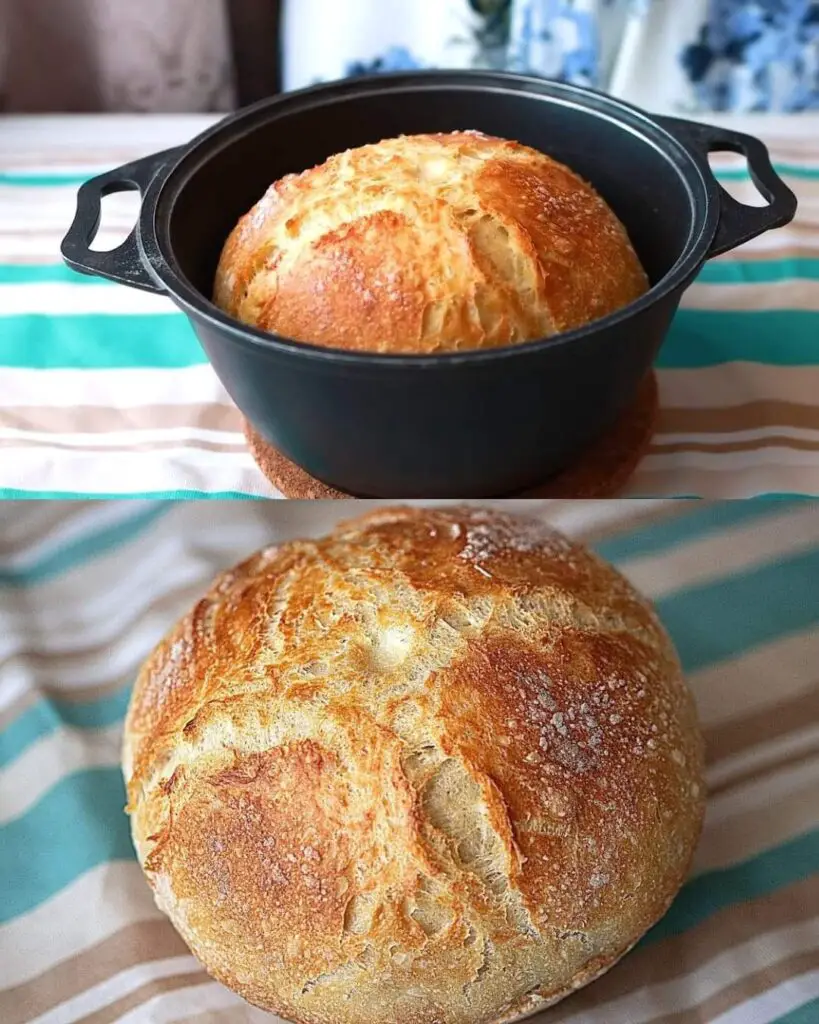
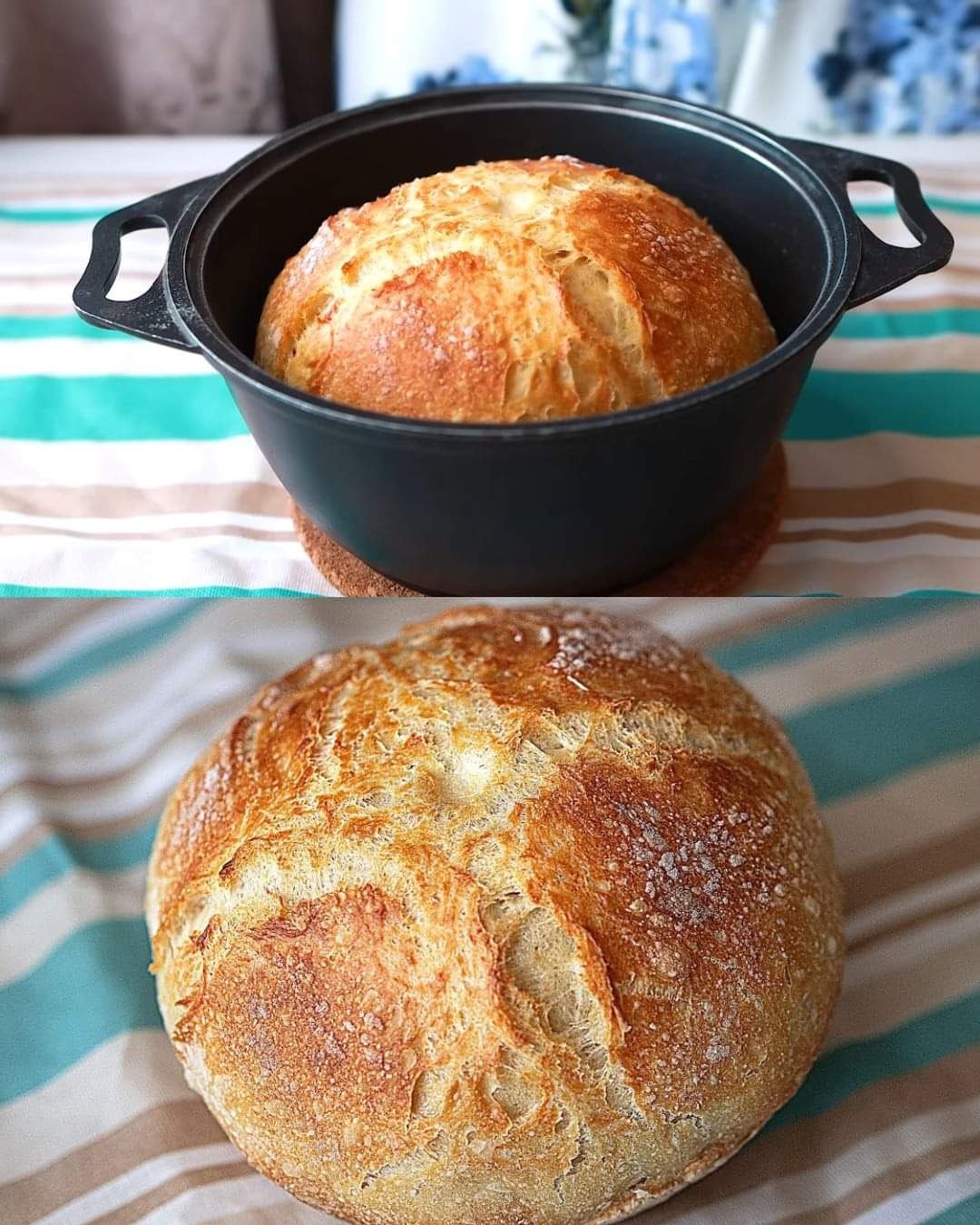
Traditional Homemade Bread is one of those timeless recipes that brings comfort, warmth, and a sense of accomplishment with every loaf. With just a few simple ingredients, you can create a soft, fluffy interior wrapped in a golden, slightly crisp crust. The process itself feels just as rewarding as the final result, making it a favorite for both beginners and experienced home bakers.
There is something truly special about baking bread from scratch. The moment the dough begins to rise and the scent fills your kitchen, it creates an atmosphere that feels calm and inviting. This recipe keeps things simple while delivering that classic homemade taste that never goes out of style.
I remember the first time I made this bread on a quiet afternoon. I followed the steps slowly, kneading the dough and watching it rise. When it came out of the oven, the crust was golden, and the inside was perfectly soft. That first slice, still warm with a bit of butter, made the entire process worth it. Since then, this recipe has become a staple whenever I want something comforting and homemade.
Ingredients
Equipment
Method
- Dissolve sugar in warm water and add yeast. Let sit until foamy.
- Mix flour and salt, then add yeast mixture and oil to form dough.
- Knead dough until smooth and elastic.
- Let dough rise until doubled, then shape into loaf.
- Bake at 375°F for 25–30 minutes until golden.
Notes
Why This Bread Recipe Works So Well
Simple ingredients, reliable results
Traditional Homemade Bread works beautifully because it uses basic pantry ingredients that come together in a very balanced way. Flour provides structure, while yeast helps the dough rise and creates that airy texture.
Warm water activates the yeast, while sugar gives it something to feed on, helping the dough rise properly. Salt enhances the flavor and keeps the bread from tasting flat. Olive oil or melted butter adds moisture and richness, making the bread soft and tender.
Because each ingredient has a clear role, the recipe remains simple yet effective. This makes it easy to follow and dependable every time.
A perfect balance of texture
This bread achieves a wonderful contrast between its crust and interior. The outside becomes lightly crisp and golden during baking, while the inside stays soft and fluffy.
Kneading the dough helps develop gluten, which gives the bread its structure and chew. Meanwhile, proper rising time allows the dough to expand, creating that light texture.
As a result, the finished loaf slices easily while still holding its shape. It is perfect for sandwiches, toast, or simply enjoying on its own.
Ingredients and Helpful Tips
Key ingredients explained
All-purpose flour forms the base of the dough. It provides the structure needed for the bread to rise and hold its shape.
Active dry yeast is essential for creating the airy texture. When activated properly, it helps the dough rise and develop flavor.
Warm water plays a crucial role. It activates the yeast and helps bring the dough together. The temperature should be warm but not hot to avoid damaging the yeast.
Sugar helps feed the yeast and encourages a good rise. Salt balances the flavor and strengthens the dough.
Olive oil or melted butter adds richness and keeps the bread soft. It also helps improve the overall texture.
Tips for best results
Always check the temperature of your water before adding yeast. It should feel warm to the touch, not hot.
Measure flour carefully. Too much flour can make the bread dense, while too little can make it too sticky.
Knead the dough until it becomes smooth and elastic. This step is important for developing structure.
Allow enough time for the dough to rise. Rushing this step can affect the final texture.
Step-by-Step Instructions
Preparing and kneading the dough
Start by dissolving the sugar in warm water, then sprinkle the yeast over the top. Let it sit for about 5 to 10 minutes until it becomes foamy. This indicates the yeast is active.
In a large bowl, combine the flour and salt. Add the yeast mixture and olive oil, then mix until a dough forms.
Transfer the dough to a floured surface and knead for about 8 to 10 minutes. The dough should become smooth and elastic.
First rise and shaping
Place the dough in a lightly greased bowl and cover it with a clean towel. Let it rise in a warm place for about one hour or until it doubles in size.
Once risen, punch down the dough to release air. Shape it into a loaf and place it into a greased loaf pan or shape it into a round and place it on a baking sheet.
Cover again and let it rise for another 30 minutes. This second rise helps create a softer texture.
Baking to golden perfection
Preheat your oven to 375°F. Bake the bread for 25 to 30 minutes, or until the top turns golden brown.
To check if it is done, tap the bottom of the loaf. It should sound hollow. Remove from the oven and let it cool before slicing.
Serving, Storage, and Tips
Best ways to enjoy
Traditional Homemade Bread tastes best when slightly warm. Spread butter over a fresh slice or use it for sandwiches.
It pairs well with soups, stews, or salads. You can also toast it for breakfast and add your favorite toppings.
Storage and reheating
Store the bread at room temperature in a sealed container or wrapped in a cloth for up to three days.
For longer storage, freeze slices and reheat them as needed. Toasting or warming in the oven helps restore freshness.
Common mistakes to avoid
Do not skip the yeast activation step. If the yeast does not foam, it may not be active.
Avoid adding too much flour while kneading. This can make the bread dense.
Do not cut the bread immediately after baking. Let it cool so the texture sets properly.
Frequently Asked Questions
Can I use whole wheat flour?
Yes, but you may need to adjust the liquid slightly for best results.
How do I know the dough is kneaded enough?
It should be smooth, elastic, and slightly springy to the touch.
Can I make this without a loaf pan?
Yes, you can shape it into a round loaf and bake it on a baking sheet.
Why didn’t my bread rise?
The yeast may not have been active or the environment may have been too cold.
Can I add herbs or seeds?
Yes, you can customize the bread with herbs, garlic, or seeds for extra flavor.
Conclusion
Traditional Homemade Bread is more than just a recipe—it is a comforting experience that brings warmth and satisfaction to your kitchen. With simple ingredients and a straightforward process, you can create a soft, flavorful loaf that works for any occasion. Once you try it, baking your own bread becomes a rewarding habit that you will return to again and again.