
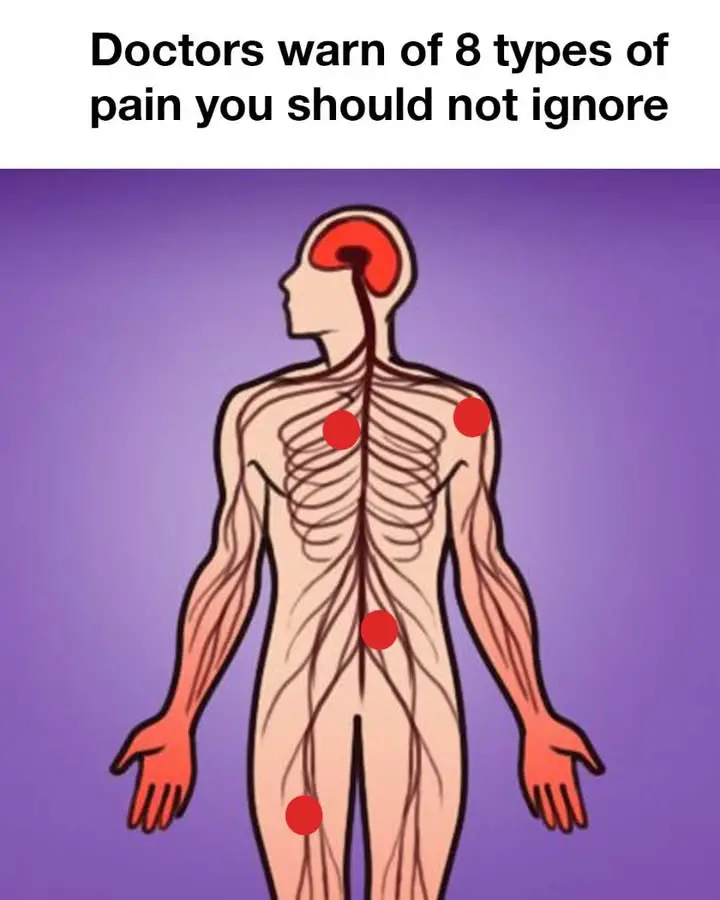
Understanding the Body’s Pain Signals is essential for recognizing when something might be wrong. Pain is not just discomfort—it is your body’s built-in alert system. It tells you when something needs attention, whether it is a minor issue or a serious medical condition. By learning how to interpret different types of pain, you can take action early and protect your long-term health.
I once ignored a persistent shoulder ache, thinking it was just from sleeping wrong. Weeks passed, and the pain worsened until simple tasks became difficult. Eventually, I learned it was a strained muscle that needed rest and care. That experience taught me how important it is to listen when your body speaks, even through subtle discomfort.
How the Body Communicates Through Pain
Acute vs. Chronic Pain
Pain generally falls into two main categories: acute and chronic. Acute pain appears suddenly and usually results from injury, inflammation, or illness. It often resolves once the underlying issue heals.
On the other hand, chronic pain lasts for weeks, months, or even longer. This type of pain may signal ongoing conditions that require medical evaluation. Therefore, recognizing how long pain lasts plays a key role in understanding its seriousness.
Why Pain Should Never Be Ignored
Pain acts as a warning signal. When ignored, small problems can become major health concerns. For example, mild discomfort today could develop into a more serious condition if left untreated.
Moreover, early detection often leads to easier and more effective treatment. Paying attention to changes in pain intensity, location, and frequency can make a significant difference in outcomes.
Chest and Head Pain: Serious Warning Signs
Chest Pain and Heart Health
Chest pain is one of the most concerning symptoms because it may indicate heart-related issues. While not all chest pain signals a heart problem, certain signs require immediate attention.
For instance, pain that spreads to the arm, neck, or jaw, or occurs with shortness of breath, should never be ignored. Acting quickly in these situations can save lives and prevent complications.
Severe Headaches and Neurological Concerns
Headaches are common, yet not all are harmless. Severe or unusual headaches may indicate migraines or more serious conditions. When headaches occur with blurred vision, confusion, or stiffness in the neck, they require prompt medical evaluation.
Additionally, sudden and intense headaches—often described as the worst ever experienced—should be treated as emergencies.
Abdominal and Back Pain: Hidden Conditions
Abdominal Pain and Digestive Health
Abdominal pain can result from simple causes like indigestion. However, it may also signal serious conditions such as appendicitis or infections.
If the pain is sharp, persistent, or accompanied by symptoms like fever or vomiting, immediate attention becomes necessary. Monitoring these signs helps prevent complications.
Back Pain Beyond Muscle Strain
Back pain is often linked to posture or physical strain. However, in some cases, it points to deeper issues such as nerve problems or spinal conditions.
If back pain includes numbness, weakness, or loss of control over bodily functions, it is critical to seek medical help quickly. These symptoms may indicate serious underlying problems.
Ingredients
Equipment
Method
- Identify the type and location of pain you are experiencing.
- Monitor duration, intensity, and associated symptoms.
- Apply basic relief methods such as rest or hydration.
- Seek medical advice if symptoms persist or worsen.
Notes
Limb and Joint Pain: Circulation and Inflammation
Leg Pain and Blood Flow Issues
Leg pain during activity that improves with rest may indicate circulation problems. Reduced blood flow can lead to more serious complications if not addressed.
Other warning signs include coldness in the legs or wounds that heal slowly. Early intervention helps prevent long-term damage.
Persistent Joint Pain and Mobility
Joint pain that continues over time may suggest inflammation, arthritis, or infection. Swelling and stiffness can limit movement and affect daily life.
Taking action early can help preserve joint function and reduce discomfort. Regular movement and proper care play a vital role in maintaining mobility.
Nerve and Pelvic Pain: Often Overlooked Signals
Nerve Pain and Sensory Changes
Nerve pain often feels like burning, tingling, or shooting sensations. It may result from injuries, chronic conditions, or nerve damage.
Because nerve pain can worsen over time, identifying the cause early is essential. Addressing it promptly helps prevent further complications.
Pelvic Pain and Internal Health
Pelvic pain can have many causes, ranging from minor issues to more serious conditions. Persistent discomfort in this area should never be ignored.
Early diagnosis ensures proper treatment and prevents long-term health issues. Monitoring symptoms carefully provides valuable information for healthcare providers.
Daily Habits That Help You Respond to Pain
Tracking Symptoms Effectively
Keeping a simple record of your pain can help identify patterns. Note when it starts, how long it lasts, and what makes it better or worse.
This information becomes valuable when discussing symptoms with a healthcare provider. It allows for more accurate diagnosis and treatment.
Lifestyle Choices That Support Pain Prevention
Healthy habits play a key role in reducing pain. Regular exercise, balanced nutrition, and proper sleep support overall body function.
Additionally, managing stress helps prevent tension-related pain. Small lifestyle changes can significantly improve how your body responds to discomfort.
FAQ
1. When should I worry about pain?
You should seek medical attention if pain is severe, persistent, or worsening over time.
2. Is all chest pain dangerous?
Not all chest pain is serious, but it should always be evaluated if accompanied by other symptoms.
3. How do I know if pain is chronic?
Pain lasting longer than three months is generally considered chronic.
4. Can stress cause physical pain?
Yes, stress can lead to headaches, muscle tension, and other physical symptoms.
5. What is the best way to manage mild pain at home?
Rest, hydration, and over-the-counter remedies can help, but monitor symptoms closely.
Conclusion
Understanding the Body’s Pain Signals empowers you to take control of your health. Pain is not just something to endure—it is a message that deserves attention. By recognizing warning signs early and responding appropriately, you can prevent complications and maintain a better quality of life.
Listening to your body, adopting healthy habits, and seeking help when needed are essential steps toward long-term well-being. The more you understand your body’s signals, the better equipped you are to protect your health every day.