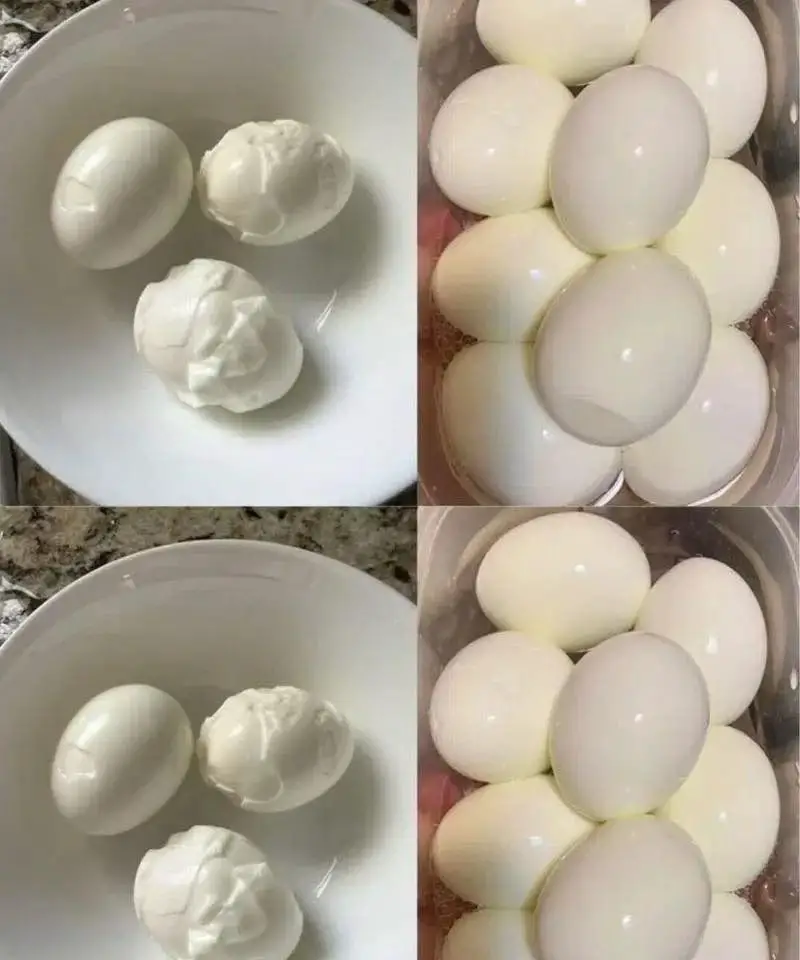
Chef’s Clever Hack for Perfectly Peeled Hard-Boiled Eggs is the simple kitchen solution that transforms a frustrating task into an easy, foolproof process. Many people struggle with peeling hard-boiled eggs cleanly, but with the right method, you can achieve smooth, flawless eggs every single time. This technique uses a quick temperature change to separate the shell from the egg white, making peeling effortless and satisfying.
Hard-boiled eggs are a staple in many kitchens because they are affordable, nutritious, and versatile. However, peeling them often leads to torn whites and wasted portions. Fortunately, this clever hack changes everything. Once you try it, you will never go back to struggling with stubborn shells again.
I remember preparing a large batch of eggs for a family brunch and feeling frustrated when half of them peeled poorly. A friend suggested the ice bath trick, and I decided to try it. The difference was immediate. The shells slid off easily, leaving perfectly smooth eggs. Since that day, I have used this method every time, and it has never failed me.
Why Hard-Boiled Eggs Are Hard to Peel
The Science Behind Sticking Shells
Peeling hard-boiled eggs becomes difficult because of how the egg white interacts with the shell membrane. When eggs are very fresh, the pH level inside the egg is lower. As a result, the egg white binds tightly to the inner membrane.
Because of this strong bond, the shell sticks stubbornly to the egg white during peeling. This is why fresh eggs are often harder to peel compared to slightly older ones. Over time, the pH increases, which weakens that bond and makes peeling easier.
Additionally, the cooking process affects how firmly the membrane clings to the egg. If the temperature change is too gradual, the egg white remains tightly attached to the shell.
Why Timing and Temperature Matter
Temperature plays a crucial role in how easily eggs peel. When eggs cook, the proteins in the white solidify and expand. If you cool them slowly, the structure stays tight against the shell.
However, when you introduce a sudden temperature change, the egg contracts slightly. This separation creates a small gap between the egg white and the shell, making peeling much easier.
Therefore, controlling both cooking time and cooling method is essential for perfect results.
Ingredients
Equipment
Method
- Place eggs in a pot and cover with water.
- Bring water to a boil over medium-high heat.
- Reduce heat and simmer for 9–12 minutes.
- Transfer eggs immediately to an ice water bath.
- Let eggs sit for 5–10 minutes.
- Crack and peel gently.
Notes
The Ice Water Hack Explained
How the Ice Bath Works
The ice water method works by shocking the eggs immediately after boiling. This rapid cooling forces the egg white to contract quickly.
As a result, the membrane loosens its grip on the egg white. This makes the shell easier to remove in larger pieces rather than tiny fragments.
Additionally, the cold water stops the cooking process instantly. This prevents overcooking and helps maintain a tender texture.
Step-by-Step Guide to Perfect Results
To achieve perfectly peeled eggs, follow these simple steps:
- Place eggs in a pot and cover them with water.
- Bring the water to a boil over medium-high heat.
- Once boiling, reduce the heat and simmer for 9–12 minutes.
- Immediately transfer the eggs into a bowl of ice water.
- Let them sit for at least 5–10 minutes.
- Gently crack the shell and peel under running water if needed.
By following these steps, you will notice a dramatic improvement in how easily the shells come off.
Additional Tips for Easy Peeling
Use Slightly Older Eggs
While fresh eggs are great for many recipes, slightly older eggs are better for boiling. As eggs age, their internal chemistry changes, which helps loosen the bond between the egg white and the shell.
If possible, use eggs that are about a week old. This small adjustment can make a big difference in peeling results.
Add Baking Soda or Vinegar
Some cooks add a small amount of baking soda or vinegar to the boiling water. Baking soda raises the pH level, while vinegar can help break down the shell slightly.
Although this step is optional, it can provide an extra boost if you often struggle with peeling eggs.
Additionally, starting eggs in hot water instead of cold water can also help create better separation between the shell and the egg white.
Common Mistakes to Avoid
Skipping the Ice Bath
One of the biggest mistakes people make is skipping the ice bath. Without rapid cooling, the egg white remains tightly attached to the shell.
As a result, peeling becomes much more difficult and messy. Always prepare your ice bath before the eggs finish cooking so you can transfer them immediately.
Overcooking the Eggs
Overcooking not only affects texture but also makes peeling harder. Eggs that cook for too long develop a rubbery white and a greenish yolk.
To avoid this, stick to the recommended cooking time. Then cool the eggs quickly to stop the cooking process.
Additionally, avoid cracking the eggs too aggressively. Gentle tapping works best and prevents damage to the egg white.
Creative Ways to Use Perfectly Peeled Eggs
Meal Prep and Snacks
Perfectly peeled hard-boiled eggs are ideal for meal prep. You can store them in the refrigerator and enjoy them throughout the week.
They make a quick, protein-rich snack that keeps you full and energized. You can also slice them into salads or serve them with a sprinkle of salt and pepper.
Because they peel so cleanly, they look more appealing when served.
Recipes That Shine with Smooth Eggs
Smooth, well-peeled eggs enhance many dishes. Deviled eggs, egg salad, and ramen toppings all benefit from a clean appearance.
When eggs look neat and intact, they elevate the overall presentation of your dish. This is especially important when serving guests or preparing food for special occasions.
By mastering this simple hack, you can improve both the taste and visual appeal of your meals.
Frequently Asked Questions
1. Why does the ice bath make eggs easier to peel?
The ice bath causes the egg to contract quickly, separating it from the shell.
2. How long should eggs stay in ice water?
At least 5–10 minutes for best results.
3. Can I peel eggs without an ice bath?
Yes, but it is much harder and less reliable.
4. Do fresh eggs always peel poorly?
They tend to be more difficult, but proper technique can still help.
5. Is it better to peel eggs warm or cold?
Cold eggs are easier to peel because the structure has stabilized.
Conclusion
Chef’s Clever Hack for Perfectly Peeled Hard-Boiled Eggs proves that small techniques can make a big difference in the kitchen. By using an ice bath immediately after boiling, you create the perfect conditions for easy peeling and smooth results.
This method is simple, reliable, and accessible to everyone. Whether you are preparing eggs for a quick snack or an elegant dish, this trick ensures consistent success.
Once you adopt this approach, peeling hard-boiled eggs will no longer feel like a frustrating chore. Instead, it will become one of the easiest and most satisfying steps in your cooking routine.