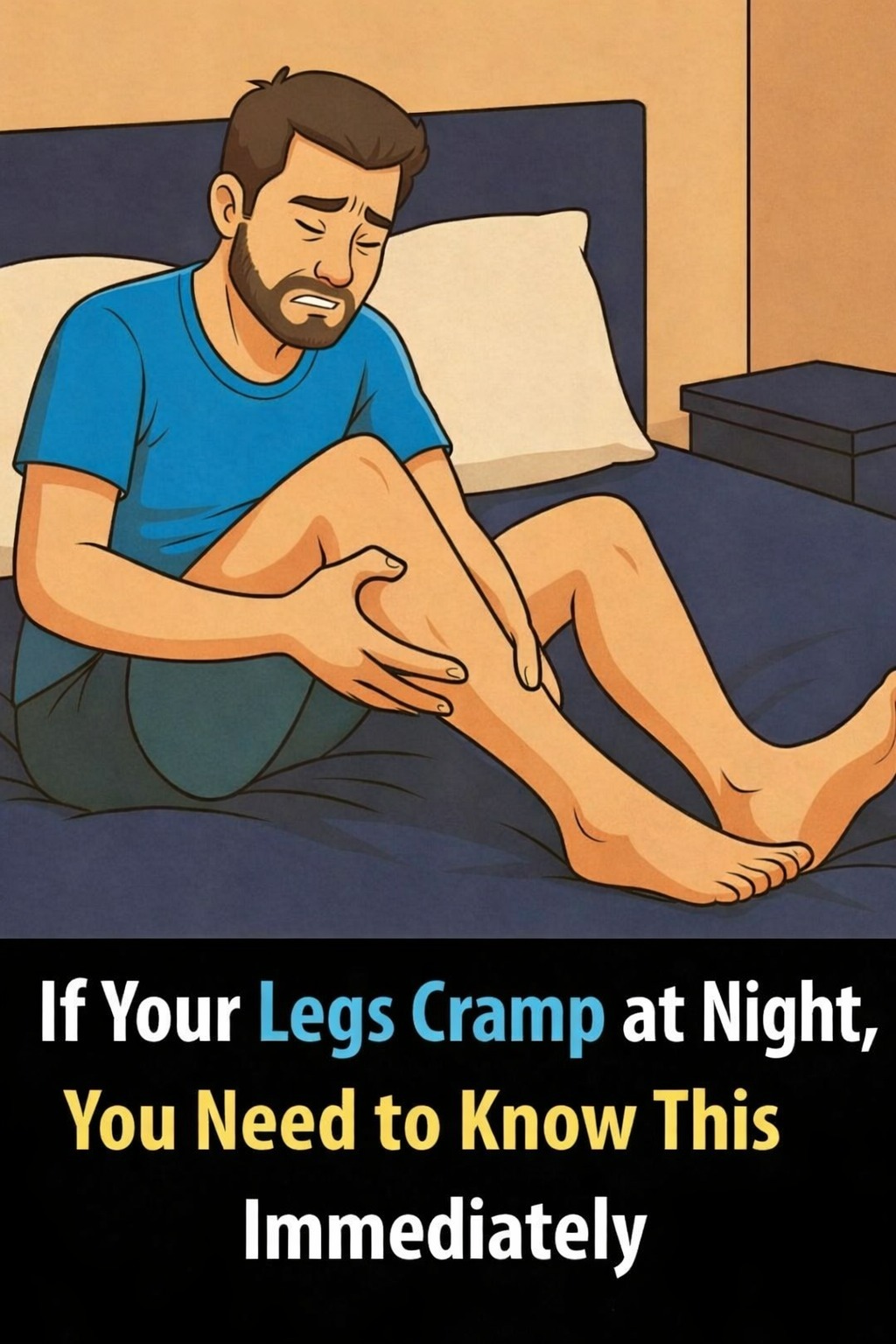
Waking up in the dead of night with a vise-like grip in your calf, foot, or thigh is an experience many know too well. Nighttime leg cramps—or nocturnal leg cramps—strike without warning, jolt you out of sleep, and can leave lingering soreness for hours or even days. While they may seem harmless, repeated cramps can signal underlying health issues or lifestyle factors that your body is trying to communicate.
Understanding why these cramps happen, their potential causes, and how to prevent them is essential for your comfort, health, and quality of sleep. Let’s break it down in detail.
What Exactly Is a Leg Cramp?
A muscle cramp is a sudden, involuntary contraction of one or more muscles. Unlike normal muscle movement, the fibers in a cramp cannot relax, leading to intense pain. Leg cramps that occur at night are most commonly experienced in the:
- Calves (the most frequent site)
- Feet, particularly the arches
- Thighs (less commonly, but still significant)
Cramping episodes can last anywhere from a few seconds to several agonizing minutes. While temporary, the discomfort can disrupt sleep and leave residual soreness.
Why Do Nighttime Leg Cramps Happen?
Several physiological and lifestyle factors contribute to nocturnal leg cramps. Understanding them can help you take preventive measures.
1. Electrolyte Imbalance: The Usual Suspect
Electrolytes—such as potassium, calcium, magnesium, and sodium—play a critical role in muscle contraction and relaxation. When levels are imbalanced, muscles may fire uncontrollably, resulting in cramps.
Common causes of imbalance include:
- Excessive sweating during exercise
- Inadequate hydration
- Diets low in fruits, vegetables, or dairy
- Certain medications, including diuretics and statins
Increasing dietary intake of electrolyte-rich foods like bananas, sweet potatoes, spinach, and yogurt can often reduce nighttime cramping.
2. Muscle Fatigue and Overuse
Heavy exercise or prolonged standing during the day can fatigue muscles, making them more prone to involuntary contractions during rest. Calves, being heavily used in walking, running, and even standing, are particularly vulnerable.
Tips to reduce fatigue-related cramps:
- Stretch calves and hamstrings before bed
- Incorporate light evening walks rather than intense workouts
- Alternate between sitting and standing during long periods of work
3. Nerve Compression or Neurological Factors
Some leg cramps are caused by compression or irritation of nerves in the spine, hips, or lower back. Conditions like sciatica or spinal stenosis can lead to nerve signals that trigger involuntary muscle contractions.
Symptoms that may suggest nerve involvement include:
- Persistent numbness or tingling in the legs
- Weakness or unusual sensations during the day
- Cramping that is unilateral (affecting only one leg)
If these symptoms are present, it’s important to consult a physician for proper evaluation.
4. Medication Side Effects
Certain medications can increase the likelihood of nocturnal leg cramps. These include:
- Diuretics, which can deplete electrolytes
- Statins, used for cholesterol management
- Blood pressure medications, which may affect circulation
- Asthma medications, which can alter muscle function
Always discuss side effects with your doctor if you notice a pattern of cramping after starting new medications.
5. Pregnancy and Hormonal Changes
Pregnancy is a common time for women to experience night leg cramps, particularly in the second and third trimesters. Changes in circulation, weight distribution, and hormone levels can stress the leg muscles, leading to cramps.
Helpful interventions during pregnancy:
- Gentle calf stretches before bed
- Prenatal yoga or swimming
- Adequate hydration and balanced nutrition
6. Dehydration
Even mild dehydration can lead to muscle cramps. Muscles require water for proper contraction and relaxation. At night, reduced fluid intake combined with heat or excessive sweating can trigger cramping.
Prevention tips:
- Drink water consistently throughout the day
- Avoid heavy alcohol consumption, which can dehydrate the body
- Limit caffeine in the evening
7. Age-Related Muscle Changes
Older adults are more prone to nocturnal leg cramps due to changes in muscle mass, circulation, and nerve function. Calf and foot muscles may weaken over time, making them more susceptible to involuntary contractions.
Immediate Relief Strategies
If you wake up with a cramp, several strategies can provide fast relief:
- Stretch the affected muscle: Stand up and flex your foot upward or gently pull your toes toward your body.
- Massage the cramped muscle to encourage relaxation and blood flow.
- Apply heat using a warm towel or heating pad to relax tight fibers.
- Cold therapy with an ice pack can help if soreness persists afterward.
Long-Term Prevention
To reduce the frequency and severity of nighttime leg cramps, consider adopting these long-term strategies:
- Daily Stretching: Incorporate calf, hamstring, and foot stretches into your evening routine.
- Proper Footwear: Supportive shoes reduce strain on leg muscles.
- Balanced Diet: Ensure adequate intake of magnesium, potassium, calcium, and sodium.
- Hydration: Drink water throughout the day rather than relying solely on nighttime intake.
- Activity Modulation: Avoid intense, late-night workouts that stress the calves.
- Check Medications: Discuss potential side effects with your healthcare provider.
- Sleep Position: Avoid tucking your sheets too tightly around your feet, which can force calf muscles to contract.
When to Seek Medical Advice
While occasional cramps are common, medical evaluation is warranted if:
- Cramping occurs more than three times per week
- Pain is severe or persistent
- Cramping is accompanied by swelling, redness, or warmth
- There are signs of circulatory problems such as varicose veins or peripheral artery disease
- Cramping is linked with neurological symptoms like numbness, tingling, or weakness
These could indicate underlying conditions such as vascular issues, diabetes, nerve disorders, or electrolyte imbalances.
Alternative and Natural Remedies
Some people find relief through natural interventions:
- Epsom salt baths: Magnesium absorbed through the skin may relax muscles.
- Essential oils: Peppermint or lavender oil massage can help ease tension.
- Hydration with electrolytes: Drinks containing magnesium and potassium can replenish lost minerals.
- Herbal teas: Chamomile or valerian root may promote muscle relaxation and improve sleep quality.
Connection Between Leg Cramps and Overall Health
Nighttime leg cramps can serve as a signal from the body that something needs attention. Recurrent cramping may indicate:
- Poor circulation
- Electrolyte deficiencies
- Nerve compression or damage
- Hormonal imbalances
Treating these root causes, rather than just the cramps themselves, ensures both relief and overall health benefits.
Conclusion
Nighttime leg cramps are more than just a minor inconvenience—they are a window into the body’s health. While common causes include dehydration, electrolyte imbalance, muscle fatigue, and age-related changes, persistent or severe cramps may indicate underlying medical conditions that require attention.
Preventive strategies such as stretching, hydration, balanced nutrition, and proper sleep positioning can significantly reduce episodes. If cramps are frequent, painful, or accompanied by other symptoms, consulting a healthcare professional is essential.
By paying attention to your body and adopting healthy routines, you can minimize nighttime leg cramps and improve both sleep quality and overall well-being. Remember: your legs may be speaking to you—listen carefully, and take the steps needed to ensure your body stays strong, flexible, and pain-free.
More Home Remedies
- California Mom Issues Urgent Fireworks Warning After Teen Suffers Devastating Hand Injuries
- This Is the Silent Disease That Can Strike Without Warning
- The Midnight Ache: Understanding Nighttime Leg Cramps and How to Find Relief
- My 8-Year-Old Has Been Experiencing This for Two Months—Understanding Hives in Children