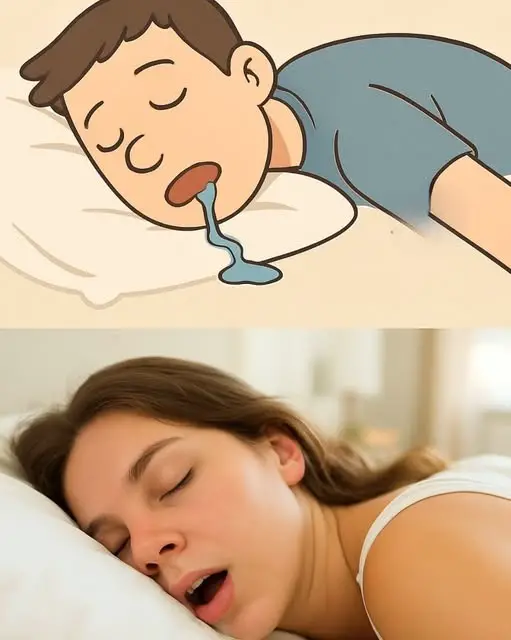
Many people wake up occasionally to find a small wet spot on the pillow. Drooling during sleep can feel embarrassing, but in reality, it is very common and usually harmless. For most, it simply reflects how the body relaxes during rest. Interestingly, sleep experts explain that nighttime drooling can sometimes give insights into the brain and nervous system, as well as oral and digestive health.
Understanding why drooling happens can help people see it as a natural part of sleep rather than something to be embarrassed about. In some cases, however, excessive drooling may signal underlying medical conditions. This guide explores why drooling occurs, what it may indicate, and how to manage it effectively.
Why Drooling Happens During Sleep
Saliva is constantly produced by glands in the mouth throughout the day and night. While awake, the brain automatically signals muscles to swallow saliva regularly. During sleep, the body enters a relaxed state, and swallowing becomes less frequent. When saliva builds up and the mouth is slightly open, it may escape, causing drooling.
This is particularly common during deep sleep or when sleeping in certain positions. Drooling is often a sign that the body is relaxed enough for muscles around the jaw to loosen—a natural and healthy process.
The Brain’s Role During Sleep
Sleep is not simply a passive state where the brain shuts down. Instead, the brain moves through multiple stages, each with varying levels of activity:
- Light Sleep – The body begins to relax, muscles loosen, and the heartbeat and breathing slow.
- Deep Sleep (Slow Wave Sleep) – Crucial for tissue repair, energy restoration, and immune system regulation. Muscle tone is at its lowest, increasing the likelihood of drooling.
- REM Sleep – Associated with dreaming and high brain activity. Although muscles are largely paralyzed during REM, the jaw may relax enough in some people to allow saliva to escape.
During these stages, drooling may reflect how deeply relaxed your body is, which is generally a positive sign for restorative sleep.
Common Causes of Nighttime Drooling
Several everyday factors can increase the likelihood of drooling:
- Sleeping Position: People who sleep on their sides or stomachs may be more prone to saliva escaping due to gravity.
- Nasal Congestion: Allergies, colds, or sinus issues may force you to breathe through your mouth, increasing drooling.
- Medications: Certain drugs, such as antipsychotics, sedatives, or medications causing excessive saliva production, can contribute to nighttime drooling.
- Dental Issues: Poorly fitting dental appliances, misaligned teeth, or oral infections can disrupt normal swallowing during sleep.
- Excessive Alcohol or Sedatives: These substances relax muscles and can reduce your ability to swallow normally at night.
Medical Conditions That Can Cause Excessive Drooling
While most nighttime drooling is harmless, excessive drooling may indicate underlying medical issues:
- Neurological Disorders
Conditions such as Parkinson’s disease, cerebral palsy, stroke, or amyotrophic lateral sclerosis (ALS) can impair swallowing reflexes, leading to drooling. - Gastroesophageal Reflux Disease (GERD)
Acid reflux can cause the body to produce more saliva as a protective mechanism, which may escape during sleep. - Sleep Apnea
Individuals with obstructive sleep apnea often sleep with their mouths open to compensate for blocked airways, increasing the likelihood of drooling. - Oral Infections or Inflammation
Gingivitis, cavities, or throat infections can interfere with normal swallowing reflexes and cause saliva to accumulate. - Medications and Supplements
Certain antipsychotics, anticonvulsants, or medications that increase saliva production can contribute to drooling during sleep.
The Connection Between Drooling and Brain Health
Nighttime drooling can reveal interesting aspects of brain function:
- Swallowing Reflexes: The brainstem controls swallowing. If drooling is frequent, it may indicate slight inefficiencies in the neural pathways regulating swallowing.
- Sleep Quality: Occasional drooling often occurs during deep restorative sleep, suggesting your brain is allowing your body to fully relax.
- Neurological Warning Signs: Persistent, sudden-onset drooling in adults may warrant a neurological evaluation, especially if accompanied by slurred speech, difficulty swallowing, or other motor issues.
Drooling in Children vs. Adults
Drooling is extremely common in children, especially during infancy and early childhood. Babies often have underdeveloped swallowing mechanisms, and teeth emerging from the gums can increase saliva production. In most cases, children outgrow drooling as they develop better muscle control.
In adults, however, persistent drooling is less common and can occasionally indicate underlying medical or neurological issues. Occasional drooling in adults is typically harmless, but frequent episodes should be monitored, especially when other symptoms are present.
Lifestyle and Home Remedies to Reduce Drooling
For most people, drooling at night is manageable with a few simple adjustments:
- Adjust Sleeping Position: Sleeping on your back can help gravity keep saliva in the mouth. Use a supportive pillow to maintain head alignment.
- Treat Nasal Congestion: Allergies or sinus issues can encourage mouth breathing. Nasal strips, saline sprays, or antihistamines may help.
- Practice Oral Exercises: Strengthening facial and jaw muscles can improve swallowing reflexes. Simple exercises include chewing gum or practicing tongue movements.
- Mindful Medication Use: Talk to your doctor if you suspect medications are contributing to excess saliva. Adjustments may help reduce drooling.
- Hydration and Diet: Staying hydrated helps regulate saliva production. Avoid excessive dairy or sugar before bed, which can thicken saliva.
- Dental Check-ups: Ensure dental appliances fit properly, and maintain good oral hygiene to prevent infections that can disrupt normal swallowing.
When to See a Doctor
While occasional drooling is usually harmless, consult a healthcare provider if you notice:
- Sudden onset of excessive drooling as an adult
- Drooling accompanied by difficulty swallowing, speech problems, or facial weakness
- Chronic nighttime drooling causing significant social or sleep disruption
- Signs of neurological or digestive conditions
A doctor can evaluate the root cause through medical history, neurological assessment, or dental examination.
Fun Facts About Drooling
- Drooling is actually a protective mechanism for the mouth, helping neutralize acids, wash away bacteria, and maintain oral health.
- Some animals drool intentionally to signal hunger or during relaxation. Humans share this instinct during deep sleep.
- Nighttime drooling can sometimes indicate that you are in a particularly restful sleep phase, which is essential for memory consolidation and physical recovery.
Conclusion
Drooling while you sleep is common, natural, and usually harmless. It primarily occurs because your brain and body relax, reducing the frequency of swallowing and allowing saliva to escape. Occasional drooling can even indicate deep, restorative sleep.
However, persistent or excessive drooling can sometimes signal underlying medical issues, ranging from sleep apnea and GERD to neurological conditions. Awareness, proper sleep hygiene, and minor lifestyle adjustments can significantly reduce nighttime drooling.
Understanding this phenomenon not only demystifies a common and often embarrassing issue but also highlights the fascinating ways in which our brains and bodies operate during sleep. So the next time you wake up with a wet pillow, remember: it’s usually just your body at work, restoring, relaxing, and recharging.
More Home Remedies
- California Mom Issues Urgent Fireworks Warning After Teen Suffers Devastating Hand Injuries
- This Is the Silent Disease That Can Strike Without Warning
- The Midnight Ache: Understanding Nighttime Leg Cramps and How to Find Relief
- My 8-Year-Old Has Been Experiencing This for Two Months—Understanding Hives in Children