
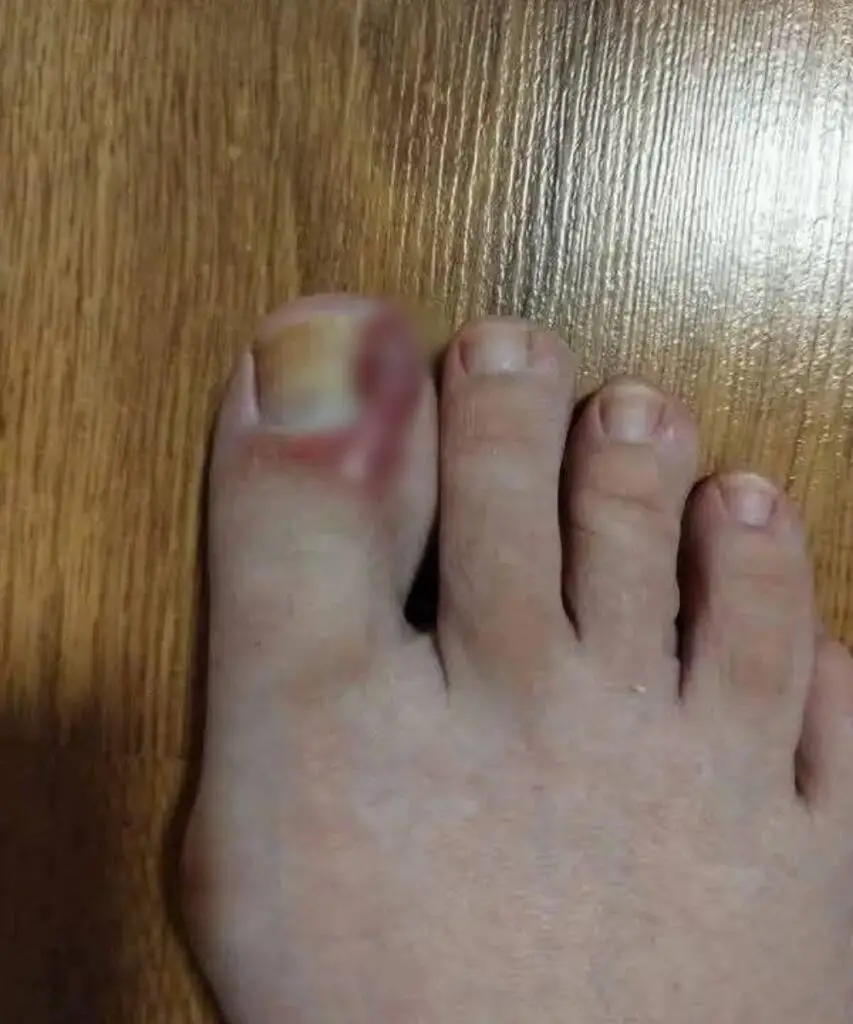
An ingrown toenail may seem like a small issue, yet it can quickly turn into a painful and frustrating problem if ignored. Learning how to treat an ingrown toenail at home gives you a simple and effective way to relieve discomfort early and prevent complications. With the right care, most mild cases improve within a few days, allowing you to walk comfortably again.
I once dealt with a stubborn ingrown toenail after wearing tight shoes for several days in a row. At first, I ignored the slight discomfort, thinking it would go away. However, the pain gradually worsened, making even simple steps uncomfortable. Instead of rushing to a clinic, I followed a few simple home care steps consistently. Within days, the swelling reduced, and the pain eased. That experience showed me how effective proper at-home care can be when done correctly and patiently.
Understanding Ingrown Toenails and Their Causes
What Happens When a Nail Grows Inward
An ingrown toenail develops when the edge of the nail grows into the surrounding skin instead of over it. This creates irritation and inflammation. As a result, the area becomes red, swollen, and tender.
If left untreated, bacteria can enter the skin, leading to infection. Therefore, early action is essential. The sooner you begin treatment, the easier it becomes to manage the condition and avoid complications.
Common Causes You Should Avoid
Several everyday habits can increase your risk of developing an ingrown toenail. Tight shoes are one of the most common causes because they press the nail into the skin. Improper nail trimming also plays a major role, especially when nails are cut too short or rounded at the edges.
Additionally, injuries to the toe or excessive sweating can soften the skin and make it easier for the nail to grow inward. By understanding these causes, you can prevent future occurrences while treating the current issue.
Step-by-Step Home Treatment Method
Soaking and Softening the Area
Start by soaking your foot in warm water for 15 to 20 minutes. Do this two to three times a day. Warm water helps reduce swelling and softens both the nail and surrounding skin.
You can add a tablespoon of salt to the water for extra soothing effects. After soaking, gently dry your foot with a clean towel. Keeping the area clean is essential for preventing infection.
Lifting the Nail Safely
Once the nail softens, you can gently lift the edge of the ingrown nail. Use a clean piece of cotton or dental floss and place it under the nail edge. This helps guide the nail to grow above the skin instead of into it.
Make sure to change the cotton daily to maintain cleanliness. Although this step may feel slightly uncomfortable at first, it becomes easier as the swelling decreases.
Supporting Healing and Preventing Infection
Keeping the Area Clean and Protected
Clean the affected area daily using mild soap and water. After cleaning, apply a small amount of antibiotic ointment to prevent infection. Then, cover the toe with a clean bandage to protect it from dirt and friction.
Wearing open-toed or loose-fitting shoes also helps reduce pressure on the toe. This simple adjustment can significantly speed up healing.
Managing Pain and Inflammation
If you feel discomfort, over-the-counter pain relief can help reduce pain and inflammation. However, many people find that consistent soaking alone already provides noticeable relief.
Additionally, avoid activities that put pressure on the toe. Giving your foot time to rest allows the healing process to move forward more effectively.
Long-Term Prevention Tips
Proper Nail Trimming Techniques
Always trim your toenails straight across rather than rounding the edges. This prevents the nail from growing into the skin. Also, avoid cutting nails too short, as this increases the risk of inward growth.
Using clean, sharp nail clippers ensures a smooth cut and reduces the chance of injury.
Choosing the Right Footwear
Footwear plays a major role in preventing ingrown toenails. Choose shoes that provide enough space for your toes to move freely. Tight or narrow shoes increase pressure and can quickly lead to recurrence.
Breathable materials are also helpful because they reduce moisture buildup. Keeping your feet dry supports overall foot health and lowers the risk of irritation.
Frequently Asked Questions
How long does it take to heal an ingrown toenail?
Most mild cases improve within 3 to 7 days with proper care. Consistency is key for faster healing.
When should I see a doctor?
Seek medical attention if you notice severe pain, pus, or spreading redness. These may indicate infection.
Can I cut the ingrown part myself?
Avoid cutting deep into the nail yourself. Instead, gently lift the nail and guide its growth.
Does soaking really help?
Yes, soaking softens the nail and reduces swelling, making it easier to manage the condition.
Can ingrown toenails come back?
Yes, they can return if proper nail care and footwear habits are not followed.
Conclusion
Learning how to treat an ingrown toenail at home gives you control over a common and uncomfortable problem. With simple steps like soaking, gentle lifting, and proper hygiene, you can relieve pain and encourage natural healing.
At the same time, adopting better habits such as proper nail trimming and wearing comfortable shoes helps prevent future issues. By staying consistent and attentive, you can keep your feet healthy and free from unnecessary discomfort.