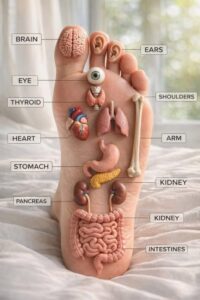

More people are dying from heart failure, doctors warn, and this growing concern highlights the importance of everyday habits. Heart failure does not mean the heart has stopped working—it means it cannot pump blood as effectively as it should. As a result, the body does not receive the oxygen and nutrients it needs, leading to fatigue, shortness of breath, and swelling.
However, there is encouraging news. With the right lifestyle changes, many people can slow the progression of heart failure and improve their quality of life. Small, consistent adjustments can make a powerful difference over time.
I remember when a close relative began experiencing constant fatigue and shortness of breath. At first, they ignored the symptoms, assuming it was just stress. However, after seeing a doctor, they learned it was early-stage heart failure. What changed everything was not just medication, but simple daily habits—less salt, more movement, and better sleep. Over time, their energy improved, and they regained control of their health. That experience showed me how impactful small lifestyle changes can be.
Understanding Heart Failure and Its Risks
What Heart Failure Really Means
Heart failure occurs when the heart becomes too weak or stiff to pump blood efficiently. Because of this, fluid can build up in the lungs and other parts of the body.
This condition develops gradually in many cases. Therefore, early signs like fatigue or swelling are often overlooked. However, recognizing these symptoms early can help prevent complications.
Additionally, heart failure often results from other conditions such as high blood pressure or heart disease. That is why managing overall health is essential.
Why Cases Are Increasing
Several factors contribute to the rising number of heart failure cases. Modern lifestyles often include processed foods, limited physical activity, and high stress levels.
As a result, conditions like obesity and hypertension have become more common. These conditions place extra strain on the heart over time.
Furthermore, people are living longer. While this is positive, it also means more individuals are at risk of developing chronic conditions, including heart failure.
Habit #1: Excess Salt Intake
How Salt Affects the Heart
Consuming too much sodium causes the body to retain fluid. This increases blood volume and puts additional pressure on the heart.
Over time, this strain can worsen heart function. For individuals already at risk, high sodium intake can accelerate the progression of heart failure.
Because of this, many health experts recommend limiting daily sodium intake to around 2,000–3,000 mg.
Simple Ways to Reduce Sodium
Reducing salt does not mean sacrificing flavor. Instead, focus on using herbs, spices, and natural ingredients.
Cooking at home allows you to control sodium levels more effectively. Additionally, reading food labels helps you identify hidden sources of salt.
Rinsing canned foods and choosing fresh ingredients can also significantly reduce sodium intake.

Ingredients
Equipment
Method
- Reduce sodium intake by cooking fresh meals and avoiding processed foods.
- Incorporate daily physical activity such as walking or stretching.
- Monitor your body for symptoms like fatigue or swelling.
- Improve sleep habits and manage stress effectively.
- Consult a healthcare professional regularly for check-ups.
Notes
Habit #2: Lack of Physical Activity
Why Movement Matters
Regular physical activity strengthens the heart and improves circulation. Even light exercise can make a difference.
When you move your body, your heart becomes more efficient at pumping blood. This reduces strain and supports overall cardiovascular health.
On the other hand, a sedentary lifestyle weakens the heart over time.
Easy Ways to Stay Active
You do not need intense workouts to benefit from movement. Walking, stretching, or gentle exercises can be highly effective.
Start with small goals, such as a 10-minute walk each day. Gradually increase your activity level as you feel comfortable.
Consistency matters more than intensity. Therefore, focus on building a routine you can maintain.
Habit #3: Ignoring Early Warning Signs
Common Symptoms to Watch For
Many people ignore early signs of heart issues. However, symptoms like fatigue, shortness of breath, and swelling should not be dismissed.
These signs often indicate that the heart is struggling. Addressing them early can prevent more serious complications.
Additionally, sudden weight gain due to fluid retention can be a warning sign.
When to Seek Medical Advice
If you notice persistent symptoms, consult a healthcare professional. Early diagnosis allows for better management.
Regular check-ups also help monitor your heart health. This proactive approach can make a significant difference.
Listening to your body is essential. Do not wait for symptoms to worsen before taking action.
Habit #4: Poor Sleep and High Stress
The Impact on Heart Health
Sleep and stress play a major role in heart health. Chronic stress increases blood pressure and heart rate, placing extra strain on the heart.
Similarly, poor sleep disrupts the body’s ability to recover and regulate essential functions.
Over time, these factors can contribute to heart problems.
Improving Sleep and Reducing Stress
Creating a consistent sleep routine can improve both sleep quality and overall health. Aim for 7 to 9 hours of sleep each night.
Stress management techniques such as deep breathing, meditation, or spending time outdoors can also help.
Even small changes, like reducing screen time before bed, can have a positive impact.
Frequently Asked Questions
Can heart failure be reversed?
In some cases, lifestyle changes and medical treatment can improve heart function, but it depends on the severity.
How much salt is too much?
Most experts recommend staying below 2,000–3,000 mg of sodium per day.
What type of exercise is best?
Low-impact activities like walking, swimming, or cycling are excellent choices.
Are symptoms always obvious?
No, early symptoms can be subtle and easy to overlook.
How quickly can lifestyle changes help?
Some improvements can be noticed within weeks, but long-term consistency is key.
Conclusion
More people are dying from heart failure, doctors warn, but this trend can be addressed through simple, consistent lifestyle changes. By reducing salt intake, staying active, paying attention to symptoms, and improving sleep, you can support your heart health and reduce risk.
These changes do not require perfection. Instead, they require awareness and commitment. With the right approach, you can take meaningful steps toward a healthier and more resilient heart.