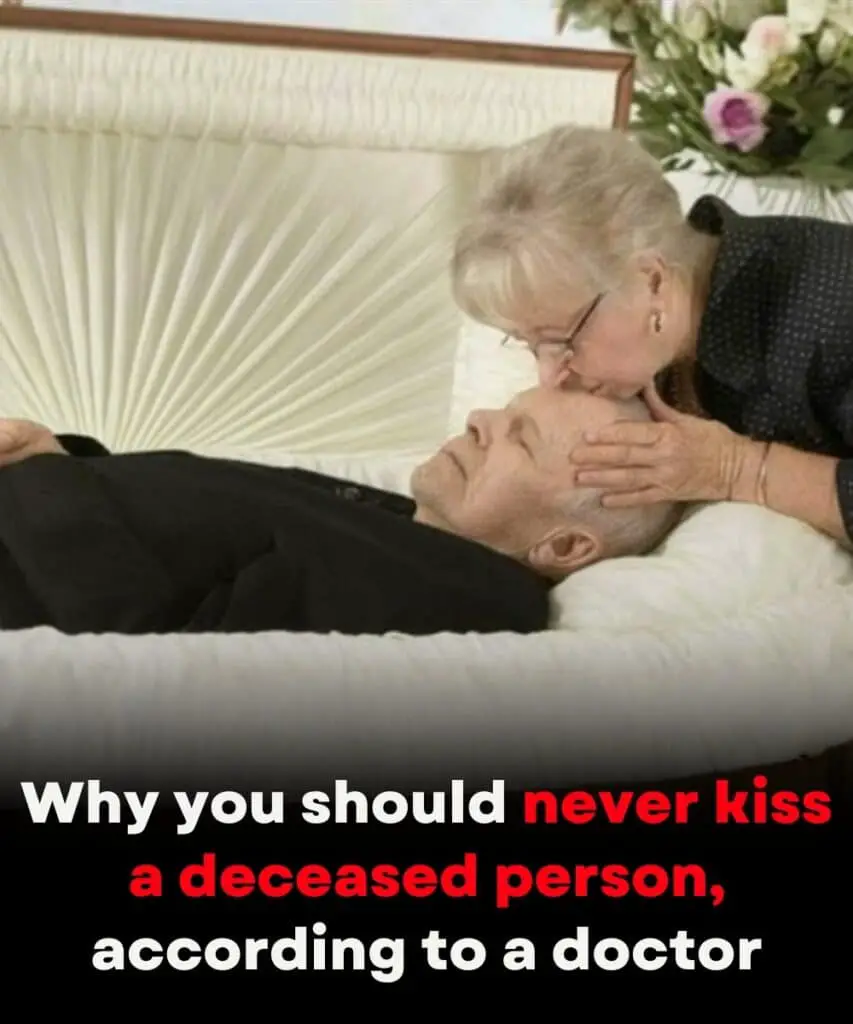
In the quiet hours after a loved one’s passing, the human heart seeks connection. Across cultures and centuries, people have developed gentle rituals to bridge the space between presence and absence: holding a hand one final time, brushing a strand of hair from a peaceful brow, pressing a kiss to a cool forehead. These gestures are more than tradition—they are the body’s quiet language of love, a way to say goodbye when words fall short.
Yet in certain circumstances, medical guidance may suggest refraining from direct contact with the deceased. This counsel is not cold, nor does it dismiss the sacredness of farewell. Instead, it arises from a place of care—for the living who grieve and for the communities they return to. Understanding this balance allows us to honor both our need for closure and our responsibility to safety, without shame or regret.
Why Ritual Matters
Physical touch in mourning serves profound psychological and spiritual purposes:
- Affirming Reality: Holding a hand or pressing a kiss can help the mind accept the reality of loss, particularly in moments of shock or disbelief.
- Offering Sensory Closure: Rituals give the senses something tangible to grasp, which helps process grief when the mind struggles with abstraction.
- Connecting to Tradition: Across cultures, gestures of farewell tie the living to ancestral practices, reinforcing continuity and respect.
- Providing Peace: Even a simple touch offers a final moment of calm and connection, honoring the life that was.
Being asked to forgo such gestures can feel like another layer of loss. That sense of denial is real and deserves acknowledgment, met not with clinical detachment but with compassion and clarity.
When Caution Is Offered: A Medical Perspective
Doctors may advise avoiding close contact with a deceased loved one in certain circumstances due to potential health risks:
- Infectious Disease Concerns
Certain illnesses—such as tuberculosis, influenza, COVID-19, or other highly contagious infections—can survive briefly outside the body. Close contact, including kissing or touching bodily fluids, could transmit pathogens to the living. - Decomposition and Bacteria
After death, the body begins natural decomposition. Bacteria multiply, and the risk of exposure to harmful microbes increases, particularly if the body is not yet embalmed or preserved. - Chemical or Medical Residues
If the deceased received medications, intravenous fluids, or certain treatments shortly before death, residues on the skin or in body fluids may present a minor risk. - Compromised Immune Systems
Family members or friends with weakened immune systems may be more vulnerable to infections, making caution particularly important.
Balancing Safety with Emotional Needs
Even when doctors advise caution, there are ways to honor the deceased safely:
- Touch with Care: Holding hands, brushing hair, or placing a hand on the forehead avoids direct contact with saliva or bodily fluids.
- Use Barriers if Needed: Disposable gloves or tissues can allow physical gestures without direct exposure.
- Express Emotion Verbally or Spiritually: Words, prayers, songs, or silent reflection can provide profound connection when physical contact is restricted.
- Ritualized Alternatives: Lighting a candle, leaving a personal memento, or participating in a ceremonial gesture can carry the same emotional significance.
Final Thoughts
The desire to kiss a deceased loved one comes from love, intimacy, and the need for closure. Medical advice against it is not a denial of emotion—it is a protective measure for the living. By understanding the rationale and seeking alternative ways to express love, we can navigate grief with both tenderness and safety.
Ritual, whether physical, verbal, or symbolic, remains a vital bridge between presence and absence. Grief does not need to be sacrificed for caution—it simply asks us to be mindful in how we honor it.