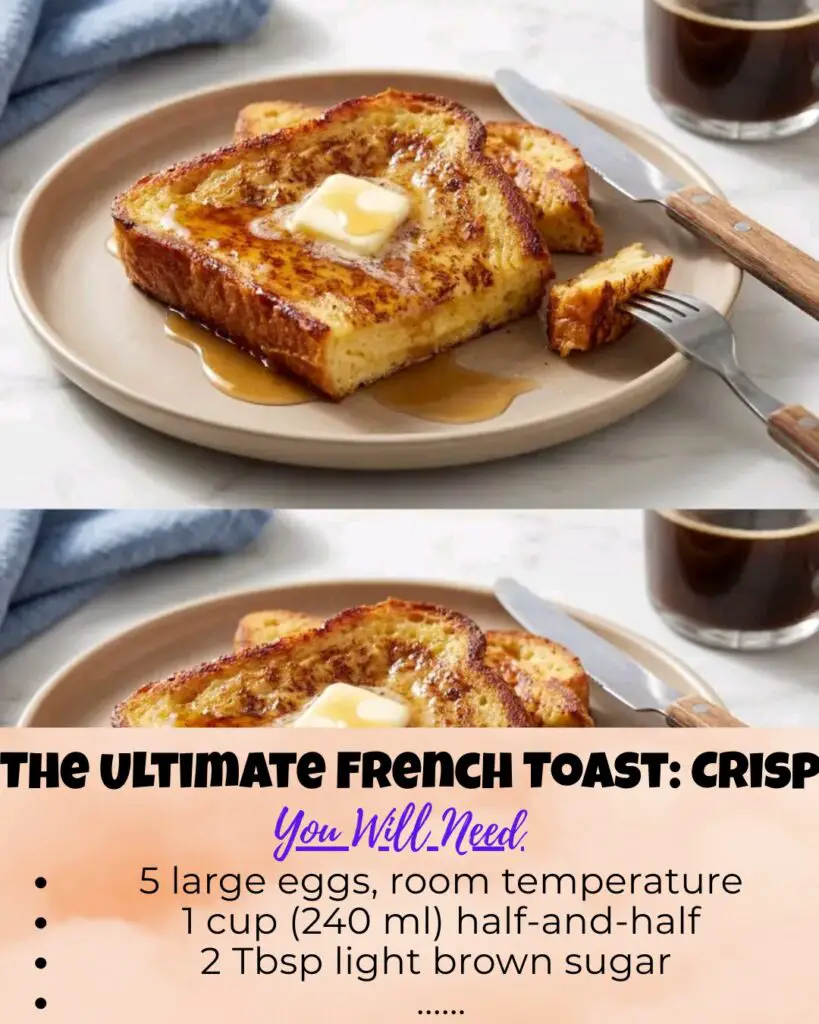
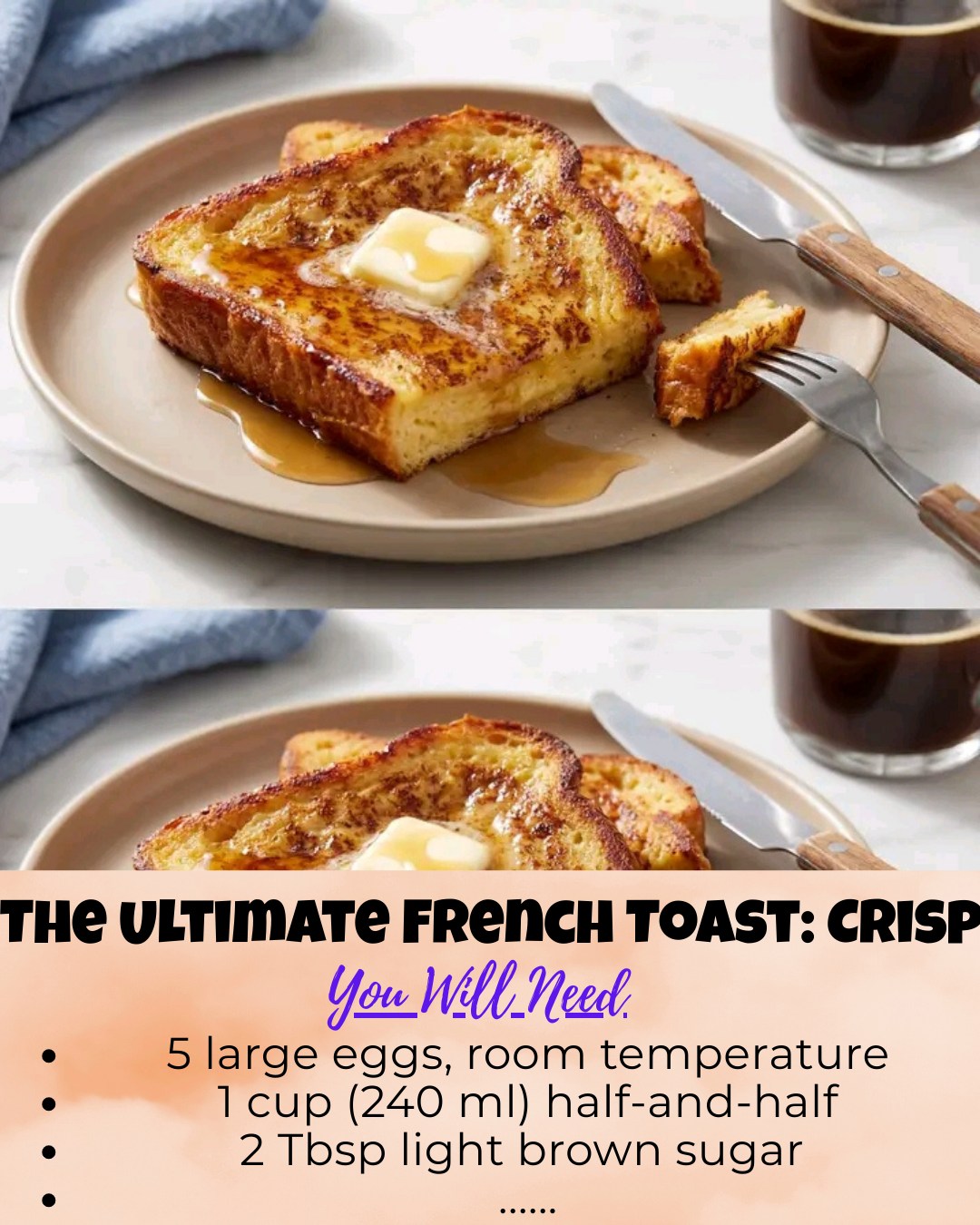
The Ultimate French Toast transforms simple bread into a golden, crisp-edged breakfast classic with a soft custardy center. This timeless dish combines eggs, cream, warm spices, and thick slices of bread to create a meal that feels both comforting and indulgent. When cooked correctly, the outside caramelizes beautifully while the interior stays tender and rich with cinnamon-vanilla flavor.
Many people struggle with soggy French toast or bread that cooks unevenly. However, with the right bread, proper custard balance, and careful cooking technique, French toast turns into a perfectly crisp and fluffy breakfast every single time.
I first learned how much technique matters with French toast during a lazy weekend brunch at home. Someone suggested letting the bread dry slightly before soaking it, which sounded unnecessary at first. Yet the difference was remarkable. The bread absorbed just the right amount of custard, cooked evenly, and developed a golden crust that crackled gently when cut. Since that morning, this method has become my go-to way to make French toast whenever a comforting breakfast feels like the perfect start to the day.
Why The Ultimate French Toast Turns Out Perfect
The Right Bread Makes All the Difference
Great French toast begins with the right type of bread. Thick slices provide the structure needed to absorb custard without falling apart.
Brioche and challah are two of the most popular options. Both breads contain eggs and butter, which naturally enhance the richness of the dish.
Sourdough offers a slightly tangy flavor that balances the sweetness of syrup and toppings. Texas toast also works well because of its thickness and sturdy texture.
Fresh bread can sometimes absorb too much custard, which leads to sogginess. Slightly stale bread performs better because it holds its shape while soaking up the flavorful mixture.
If the bread is freshly baked, a short time in the oven helps remove excess moisture. This simple step ensures the final toast stays crisp on the outside while remaining tender inside.
A Balanced Custard Creates Rich Flavor
The custard mixture defines the flavor and texture of French toast. Eggs form the base of the custard and create structure when cooked.
Half-and-half adds richness while keeping the mixture smooth and creamy. Brown sugar introduces a subtle caramel flavor that pairs beautifully with cinnamon and vanilla.
Cinnamon and nutmeg add warmth and aroma, turning the dish into a classic breakfast comfort food.
A small pinch of sea salt balances the sweetness and highlights the flavors of the spices.
Whisking the custard thoroughly ensures that the eggs blend smoothly with the cream and spices. Straining the mixture through a sieve removes any egg strands, resulting in a silky custard that coats the bread evenly.
Ingredients and Equipment
Essential Ingredients
The Ultimate French Toast relies on a few simple ingredients that create a perfectly balanced breakfast.
Eggs
Eggs provide structure and help create the custard texture that makes French toast rich and satisfying.
Half-and-Half
This ingredient adds creaminess without making the custard too heavy.
Brown Sugar
Light or dark brown sugar contributes sweetness and subtle caramel flavor.
Vanilla Extract
Pure vanilla extract enhances the custard with warm, aromatic sweetness.
Cinnamon and Nutmeg
These spices create the signature flavor of classic French toast.
Sea Salt
A small pinch brightens the sweetness and balances the custard.
Thick Bread
Brioche, challah, sourdough, or Texas toast all work well because they absorb custard while maintaining structure.
Butter and Oil
Butter provides flavor while oil prevents burning and ensures even browning.
Equipment Needed
Preparing perfect French toast requires only a few basic kitchen tools.
Mixing Bowl
Used to whisk the custard ingredients.
Whisk
Helps blend the eggs and cream smoothly.
Shallow Dish
A wide dish allows bread slices to soak evenly in the custard.
Large Skillet or Griddle
Provides enough surface area to cook multiple slices.
Wire Rack
Helps finished toast stay crisp instead of steaming on a plate.
These simple tools make preparation straightforward while ensuring consistent results.
Ingredients
Equipment
Method
- Slice bread about 3/4 inch thick. If fresh, dry slices in a 300°F oven for 10–12 minutes.
- Whisk eggs until smooth, then add half-and-half, brown sugar, vanilla, cinnamon, nutmeg, and salt.
- Strain the custard through a sieve into a shallow dish.
- Soak bread slices for about 30 seconds per side.
- Heat butter and oil in a skillet over medium-low heat.
- Cook soaked bread slices 4–5 minutes per side until golden brown and crisp.
- Transfer to a wire rack and repeat with remaining slices.
- Serve warm with maple syrup, butter, or favorite toppings.
Notes
Step-by-Step Instructions
Preparing the Bread
Start by slicing the bread about ¾ inch thick.
If the bread feels fresh and soft, place the slices on a baking sheet and bake them in a 300°F (150°C) oven for about 10 to 12 minutes.
This gentle drying removes excess moisture so the bread absorbs the custard properly.
Allow the bread to cool slightly before soaking.
Making the Custard
Crack the eggs into a large mixing bowl.
Whisk them for about one minute until completely smooth. Proper whisking helps eliminate streaks of egg white.
Add the half-and-half, brown sugar, vanilla extract, cinnamon, nutmeg, and sea salt.
Whisk again until everything combines into a smooth custard.
For an extra silky texture, pour the mixture through a sieve into a shallow dish.
Soaking the Bread
Place two slices of bread into the custard mixture at a time.
Allow them to soak for about 30 seconds on each side.
The bread should absorb the custard without becoming overly saturated.
Lift each slice carefully with a spatula and place it on a wire rack for a moment before cooking. This brief rest allows excess custard to drip away.
Cooking to Golden Perfection
Heat a large skillet over medium-low heat.
Add a small amount of butter and oil to the pan.
Place two slices of soaked bread in the skillet.
Cook for about four to five minutes on the first side. The surface should develop a deep golden color.
Flip the slices and cook the second side until equally crisp and golden.
Transfer the cooked toast to a wire rack while preparing the remaining slices.
Serving Ideas and Delicious Toppings
Classic Toppings
French toast tastes wonderful with simple toppings that enhance its flavor without overpowering it.
Pure maple syrup adds natural sweetness and complements the warm spices.
A dusting of powdered sugar creates a light decorative finish.
Fresh berries add brightness and balance the richness of the custard.
Gourmet Brunch Additions
For special brunch occasions, French toast pairs beautifully with more indulgent toppings.
Salted caramel sauce adds depth and richness.
Pear-ginger compote offers warm fruit flavor with a subtle spice.
Vanilla bean whipped cream creates a luxurious finishing touch.
Toasted pecans with honey provide crunch and nutty sweetness.
These toppings turn a simple breakfast into a memorable brunch experience.
Serving with Balanced Sides
French toast also pairs nicely with savory breakfast sides.
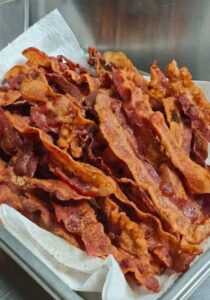
Crispy bacon or sausage adds salty contrast.
Scrambled eggs bring extra protein and balance the sweetness.
Fresh fruit or yogurt adds freshness and lightness to the plate.
Together, these elements create a satisfying breakfast spread.
Frequently Asked Questions
Why is my French toast soggy?
Soggy French toast often results from overly soft bread or excessive soaking time. Using slightly stale bread and limiting the soak helps prevent this problem.
Can I make French toast ahead of time?
Yes. Cooked slices can be kept warm in a low oven or reheated in a toaster oven to restore crispness.
Can I use milk instead of half-and-half?
Yes. Milk works well, though half-and-half produces a richer texture.
How do I cook French toast for a large group?
After soaking the bread, arrange the slices on a baking sheet and bake at 375°F (190°C) for about 25 to 30 minutes.
Can I freeze leftover French toast?
Yes. Allow the slices to cool completely, freeze them in a single layer, and reheat in a toaster or oven when ready to serve.
Conclusion
The Ultimate French Toast delivers everything people love about this classic breakfast dish: crisp golden edges, a soft custardy center, and warm cinnamon-vanilla flavor in every bite.
With the right bread, a balanced custard, and careful cooking, French toast becomes more than just a simple breakfast. It transforms into a comforting meal that feels perfect for slow mornings, weekend brunches, or special family gatherings.
Whether served with maple syrup, fresh fruit, or rich caramel toppings, this timeless recipe always brings warmth and satisfaction to the table.