
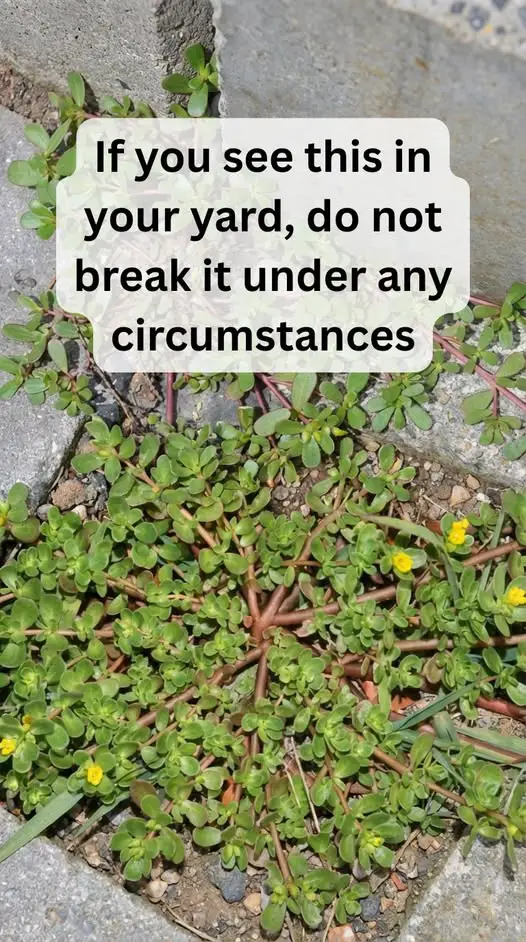
That low-growing plant with thick, juicy leaves and tiny yellow flowers that spreads across your garden paths is not just a weed. It is purslane (Portulaca oleracea)—one of the most nutrient-dense edible plants in the world. For centuries, purslane has been eaten in Mediterranean, Middle Eastern, Asian, and Latin American cuisines, long before it was labeled a nuisance in modern lawns.
If you have been pulling it up and throwing it away, you may be discarding one of nature’s most powerful free foods. Here is why purslane deserves a place in your garden—and on your plate.
1. The Richest Plant Source of Omega-3 Fatty Acids
Purslane contains more omega-3 fatty acids than any other leafy vegetable.
Specifically, it is rich in alpha-linolenic acid (ALA), a plant-based omega-3 known to support heart and brain health. Just 100 grams of fresh purslane provides approximately 300–400 mg of ALA.
This is remarkable because omega-3s are usually associated with fish, flaxseed, or walnuts. Very few land plants contain them in meaningful amounts, which makes purslane truly unique.
2. Loaded With Powerful Antioxidants
Purslane is packed with antioxidants that help protect cells from damage and reduce inflammation. These include:
- Glutathione, often called the body’s “master antioxidant”
- Melatonin, which supports sleep cycles and fights oxidative stress
- Vitamin C, which supports immunity and skin health
- Beta-carotene, which the body converts into vitamin A
Research shows that purslane has higher antioxidant activity than many commonly praised greens, including spinach and kale.
3. Excellent Source of Magnesium and Calcium
Purslane provides essential minerals that many people lack in their daily diets.
- Magnesium supports muscle function, nerve signaling, and heart rhythm
- Calcium is vital for strong bones and teeth
Unlike some leafy greens, purslane delivers these minerals in a highly bioavailable form, making them easier for the body to absorb.
4. Supports Digestive Health Naturally
Purslane is rich in dietary fiber and natural mucilage, a gel-like substance that soothes the digestive tract.
This combination helps:
- Promote regular bowel movements
- Support healthy gut bacteria
- Reduce irritation in the digestive lining
Traditionally, purslane has been used to calm digestive discomfort and support overall gut balance.
5. Helps Regulate Blood Sugar
Studies suggest that purslane may help stabilize blood sugar levels by improving insulin sensitivity.
This makes it especially beneficial for:
- People managing blood sugar concerns
- Those following balanced or lower-glycemic diets
- Anyone seeking steady energy without sharp spikes and crashes
Its low calorie and low carbohydrate profile adds to its appeal for metabolic health.
6. Naturally Hydrating and Cooling
Because purslane is a succulent plant, it holds a high amount of water in its leaves.
This makes it:
- Naturally hydrating
- Cooling in hot weather
- Refreshing when eaten raw in salads or lightly cooked
In traditional medicine, purslane was often used during summer months to help the body cope with heat.
7. Incredibly Easy to Grow and Harvest
Purslane thrives where many plants struggle. It grows in poor soil, requires little water, and spreads easily without care.
You do not need:
- Fertilizer
- Special planting techniques
- Regular watering
Harvesting is simple—just snip the tender stems and leaves. It regrows quickly, providing a continuous supply throughout the growing season.
8. Delicious and Versatile in the Kitchen
Purslane has a mild, slightly tangy, lemony flavor with a pleasant crunch.
You can enjoy it:
- Raw in salads
- Stirred into soups and stews
- Lightly sautéed with garlic and olive oil
- Added to omelets, grain bowls, or yogurt-based sauces
- Pickled like cucumbers
Its texture holds up well to heat, making it more versatile than many delicate greens.
How to Safely Use Purslane
If you plan to eat purslane, make sure it is:
- Grown without chemical pesticides
- Harvested from clean soil away from roadsides
- Properly washed before use
Garden-grown or intentionally cultivated purslane is the safest choice.
Final Thoughts
Purslane is not a weed—it is a forgotten superfood hiding in plain sight. Packed with omega-3s, antioxidants, minerals, and hydration, it offers benefits that many expensive supplements try to replicate.
Before you pull it up again, consider letting it grow. Even better, harvest it with purpose. Your garden—and your body—may be better for it.