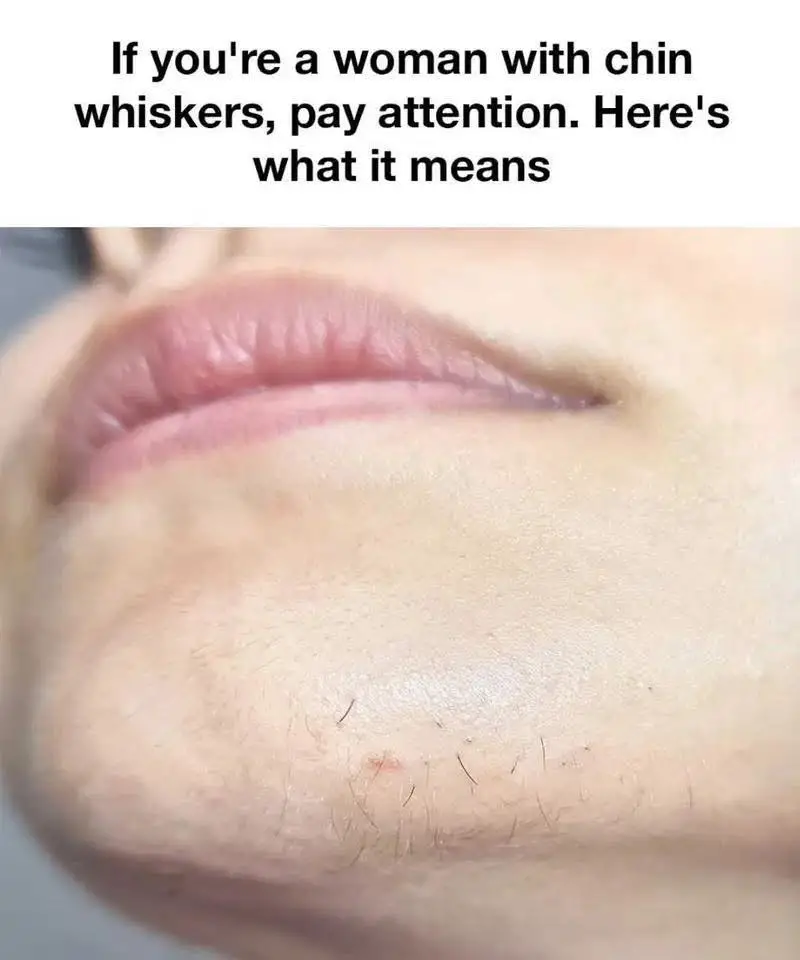
Facial hair is a natural part of human biology — we all have it in some form. But when women start noticing coarse, dark chin whiskers that seem out of the ordinary, it can be unsettling. While often harmless, unexpected facial hair can sometimes signal underlying health issues worth looking into.
In this article, we’ll cover:
- What causes chin whiskers in women
- What they might mean for your health
- When to seek medical advice
- Step-by-step solutions, both natural and medical
🧬 What Causes Chin Whiskers in Women?
1. Hormonal Imbalances (Androgens)
The most common cause of chin whiskers in women is a hormonal imbalance—especially increased levels of androgens (male hormones like testosterone). Women naturally produce small amounts of androgens, but when levels rise, the result can include:
- Dark, coarse facial hair (often on the chin, jawline, or upper lip)
- Oily skin and acne
- Irregular or skipped periods
This condition is called hirsutism, and it affects 5–10% of women of reproductive age.
2. Polycystic Ovary Syndrome (PCOS)
PCOS is a hormonal disorder that can cause:
- Irregular or missed periods
- Infertility
- Weight gain
- Ovarian cysts
- Excess facial and body hair
Chin whiskers are a common symptom of PCOS due to elevated androgen levels.
3. Menopause
During menopause, estrogen levels drop, which can allow androgens to have a stronger effect. This hormonal shift may cause new or thicker facial hair to grow, particularly on the chin.
4. Genetics
Some women are naturally predisposed to facial hair growth due to their ethnic background or family history. Women of South Asian, Middle Eastern, or Mediterranean descent may experience more noticeable facial hair—even without underlying health concerns.
5. Medications & Other Conditions
Certain medications or health conditions can cause chin whiskers:
- Steroids or testosterone therapy
- Hormonal birth control (in some cases)
- Cushing’s syndrome
- Adrenal gland disorders
- Insulin resistance or type 2 diabetes
🚩 When Should You Be Concerned?
You should talk to a doctor if chin hair appears suddenly or is accompanied by:
- Voice deepening
- Hair loss on the scalp
- Increased muscle mass
- Irregular or absent menstrual cycles
- Rapid or unusual hair growth pattern
🧪 Recommended Medical Tests
To find the root cause, your doctor may recommend:
- Blood tests for testosterone and DHEA-S (an adrenal androgen)
- Insulin and glucose testing
- Pelvic ultrasound, especially if PCOS is suspected
- Thyroid function tests
✅ Step-by-Step Solutions: How to Manage Chin Whiskers
Step 1: Get a Medical Diagnosis
Start with a visit to a dermatologist or endocrinologist. Understanding the cause is key to choosing the right treatment.
Step 2: Adjust Lifestyle for Hormonal Balance
💪 Weight Management
For women with PCOS or insulin resistance, losing even 5–10% of body weight can reduce excess androgen production and hair growth.
🥗 Eat a Hormone-Friendly Diet
Focus on:
- Leafy greens (spinach, kale)
- Berries
- Avocados and nuts
- Lean proteins
- Whole grains
Avoid:
- Refined sugars and carbs
- Highly processed foods
- Dairy (for some women with acne or hirsutism)
🏃 Exercise Regularly
Moderate-intensity workouts like brisk walking, yoga, or strength training help regulate insulin and support hormone balance.
Step 3: Natural Remedies for Facial Hair (Gradual Results)
These methods won’t work overnight, but they can slow growth over time:
- Turmeric masks (anti-inflammatory)
- Sugar & lemon scrubs (exfoliate and may lighten hair)
- Spearmint tea – Some studies suggest it may reduce testosterone levels when consumed regularly
- Saw palmetto supplements (consult a doctor first!)
Step 4: Hair Removal Options
While you manage the root cause, you can safely remove hair using:
- Tweezing – best for a few stray hairs
- Waxing or threading – good for small areas
- Shaving – safe and effective if done gently
- Depilatory creams – check for skin sensitivity
- Laser hair removal – long-term option if caused by PCOS or hormonal imbalance
- Electrolysis – FDA-approved for permanent removal
🧠 Final Thoughts
Chin whiskers in women can feel frustrating—but you are not alone, and it’s not your fault. Often, it’s a sign that your body is trying to tell you something, whether that’s a manageable hormone imbalance or a deeper health condition.
The good news? With a bit of investigation, lifestyle support, and the right treatment plan, you can manage the root cause and feel more confident again.
🌿 Remember:
- Start by talking to your doctor.
- Choose a balanced lifestyle with good nutrition and exercise.
- Explore both natural and medical options for relief.
- And most importantly—treat yourself with kindness. You are more than facial hair. 💛
📬 Want More Natural Wellness Tips?
Sign up for our newsletter for hormone-friendly recipes, simple skincare ideas, and tips for healthy living—all in your inbox.
Related Reads:
- How to Use Spearmint Tea for Hormonal Acne
- PCOS-Friendly Recipes to Balance Blood Sugar
- The Best Foods for Naturally Lowering Testosterone in Women
Have questions or want to share your experience? Drop a comment or reach out via our [Contact Page]. Let’s talk about women’s health—openly, honestly, and without shame.
More Home Remedies
- California Mom Issues Urgent Fireworks Warning After Teen Suffers Devastating Hand Injuries
- This Is the Silent Disease That Can Strike Without Warning
- The Midnight Ache: Understanding Nighttime Leg Cramps and How to Find Relief
- My 8-Year-Old Has Been Experiencing This for Two Months—Understanding Hives in Children